Customer support teams need a knowledge base that helps agents find answers fast and helps customers help themselves. The tools in this list each take a different approach, from AI-powered self-service to collaborative documentation. Here are seven worth knowing as you evaluate options for your team in 2026.
How We Picked These Tools
We selected tools that are explicitly positioned for customer support or knowledge management use cases, based on their public websites. Each tool offers features relevant to support teams such as self-service portals, AI search, or integrations with support workflows. The list is not a ranking of quality; it is a starting point for your own evaluation.
| Provider | Best For |
|---|---|
| Document360 | Support teams needing a dedicated external and internal knowledge base with AI self-service features. |
| Guru | Support teams seeking verified, AI-powered answers inside their existing tools. |
| Notion | Support teams looking for a flexible, AI-native workspace for knowledge and ticket triage. |
| Confluence | Support teams within the Atlassian ecosystem needing centralized knowledge. |
| Helpjuice | Support teams focused on self-service and reducing ticket volume. |
| Slab | Support teams wanting a straightforward knowledge base that integrates with existing tools. |
| Tettra | Support teams that want to automate repetitive questions in Slack. |
The 7 Tools in Focus
#1 Document360
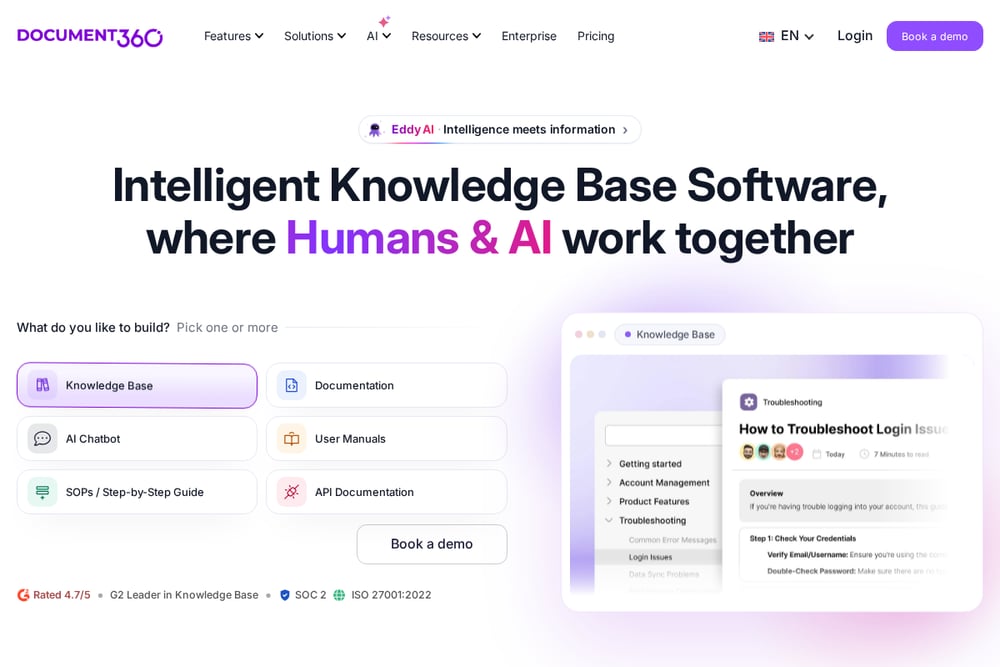 A screenshot of the Document360 website.
Document360 is a knowledge base platform designed for both internal and external documentation. It includes features like an AI chatbot, AI search, and a support ticket deflector aimed at helping support teams automate answers. The platform supports collaboration, workflow builders, and analytics to track content performance. It suits support teams that want a dedicated documentation hub with AI-assisted self-service.
#2 Guru
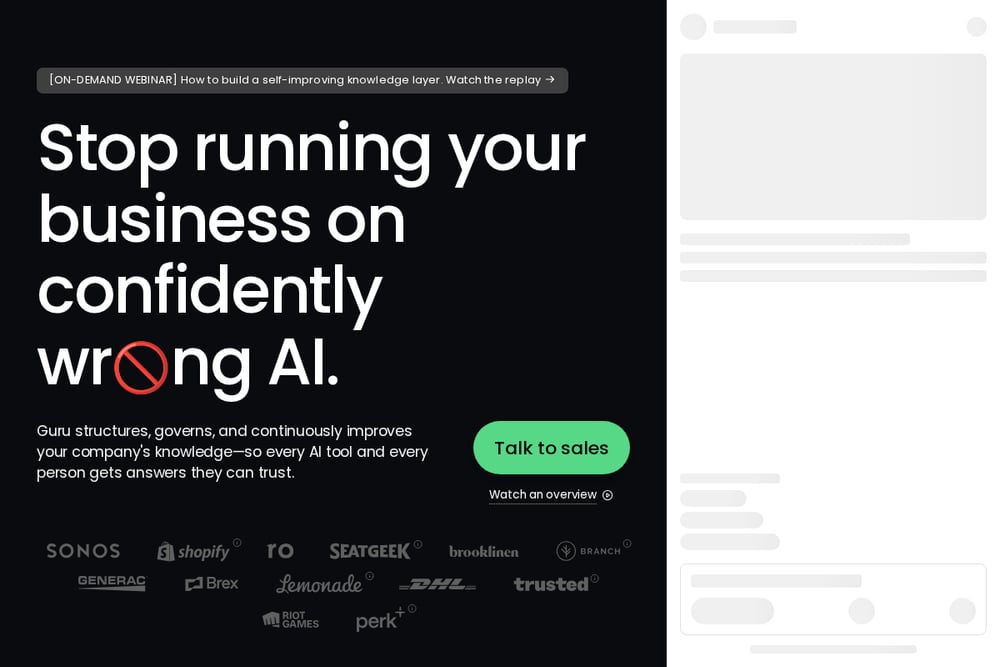 A screenshot of the Guru website.
Guru is a knowledge management platform that structures, governs, and continuously improves company knowledge. It delivers AI-powered answers directly in the tools support agents already use, with features like permission-aware AI and citations on every answer. Guru also includes knowledge agents that can verify and unverify information. It suits support teams that want verified answers surfaced within their existing workflows.
#3 Notion
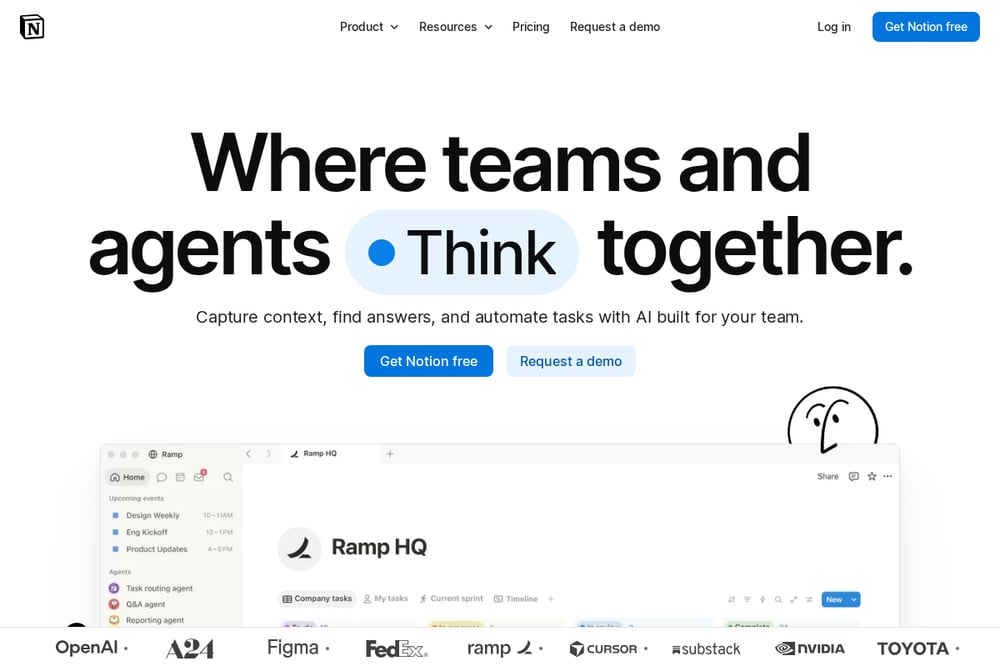 A screenshot of the Notion website.
Notion is a connected workspace where teams capture knowledge, find answers, and automate tasks with AI. It offers AI-powered search with citations and custom agents that can help resolve support tickets in Slack. Notion is used by teams of various sizes for knowledge management and collaboration. It suits support teams that want a flexible, AI-native workspace for documentation and ticket triage.
#4 Confluence
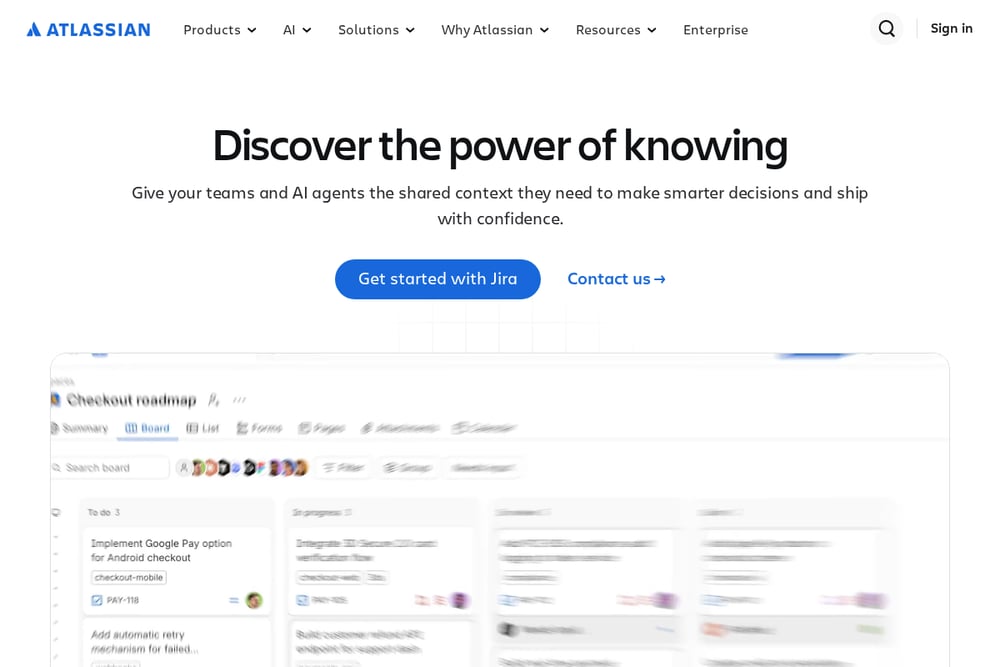 A screenshot of the Confluence website.
Confluence is a knowledge management tool from Atlassian that keeps knowledge all in one place. It integrates with Jira Service Management and other Atlassian products to support collaboration and service delivery. Confluence is part of a broader ecosystem that includes AI-powered apps driven by team knowledge. It suits support teams already using Atlassian tools that need a centralized knowledge repository.
#5 Helpjuice
 A screenshot of the Helpjuice website.
Helpjuice is an AI-powered knowledge base software that aims to turn docs into fast answers and tickets into articles. It includes features like AI search, a chatbot named Swifty AI, and localization support. Helpjuice is designed to reduce support volume through self-service and improve time-to-resolution with intelligent search. It suits support teams focused on self-service and ticket deflection.
#6 Slab
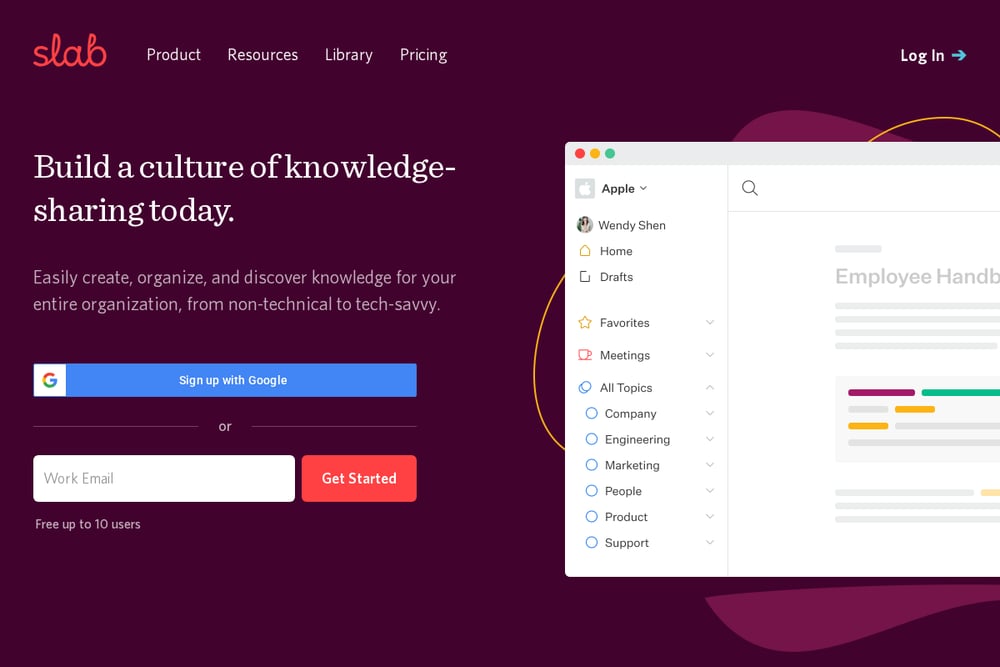 A screenshot of the Slab website.
Slab is a knowledge base tool focused on creating, organizing, and discovering knowledge for the entire organization. It features a modern editor, topics for organization, and unified search that pulls answers from Slab and integrated tools. Slab integrates with various tools like Google, Slack, GitHub, and Asana. It suits support teams that want a simple, integrated knowledge base without replacing their existing stack.
#7 Tettra
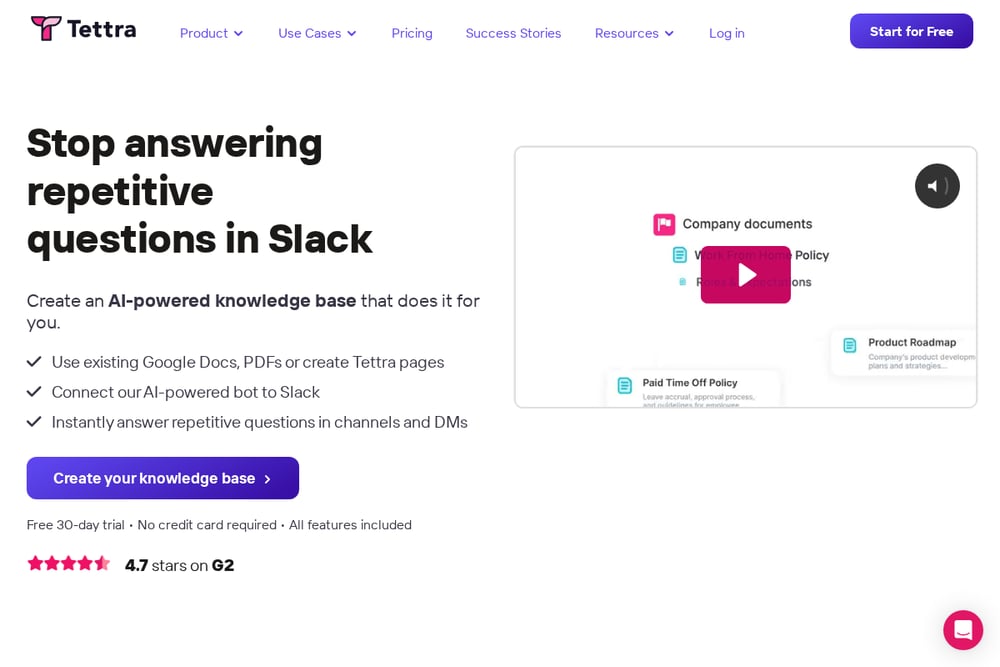 A screenshot of the Tettra website.
Tettra is an AI-powered knowledge base that helps teams stop answering repetitive questions in Slack. It uses an AI bot named Kai to answer questions instantly in channels and DMs, and it includes knowledge management features to verify content accuracy. Tettra is designed for internal knowledge sharing and integrates with Slack. It suits support teams that want to automate answers to repetitive questions within Slack.
Which One Should You Choose?
Start by identifying where your support team needs the most help: self-service for customers, faster answers for agents, or better internal knowledge sharing. Consider whether you need a standalone knowledge base or one that integrates deeply with your existing support tools like Slack or Jira. Evaluate AI capabilities such as search, chatbots, and answer verification, and check how each tool fits your team's workflow and budget. Request demos and trial the tools with your actual content to see which one feels like a natural fit.
Final Thoughts
The knowledge base tools in this list each bring different strengths to customer support teams. Some focus on external self-service and ticket deflection, while others emphasize internal knowledge sharing and AI-powered answers within existing workflows. There is no single best choice; the right tool depends on your team's specific needs, existing stack, and how you want to support both agents and customers. Use this list as a starting point for your own evaluation in 2026.
Know a company that belongs on this list? Email us at editorial@peekwire.com.