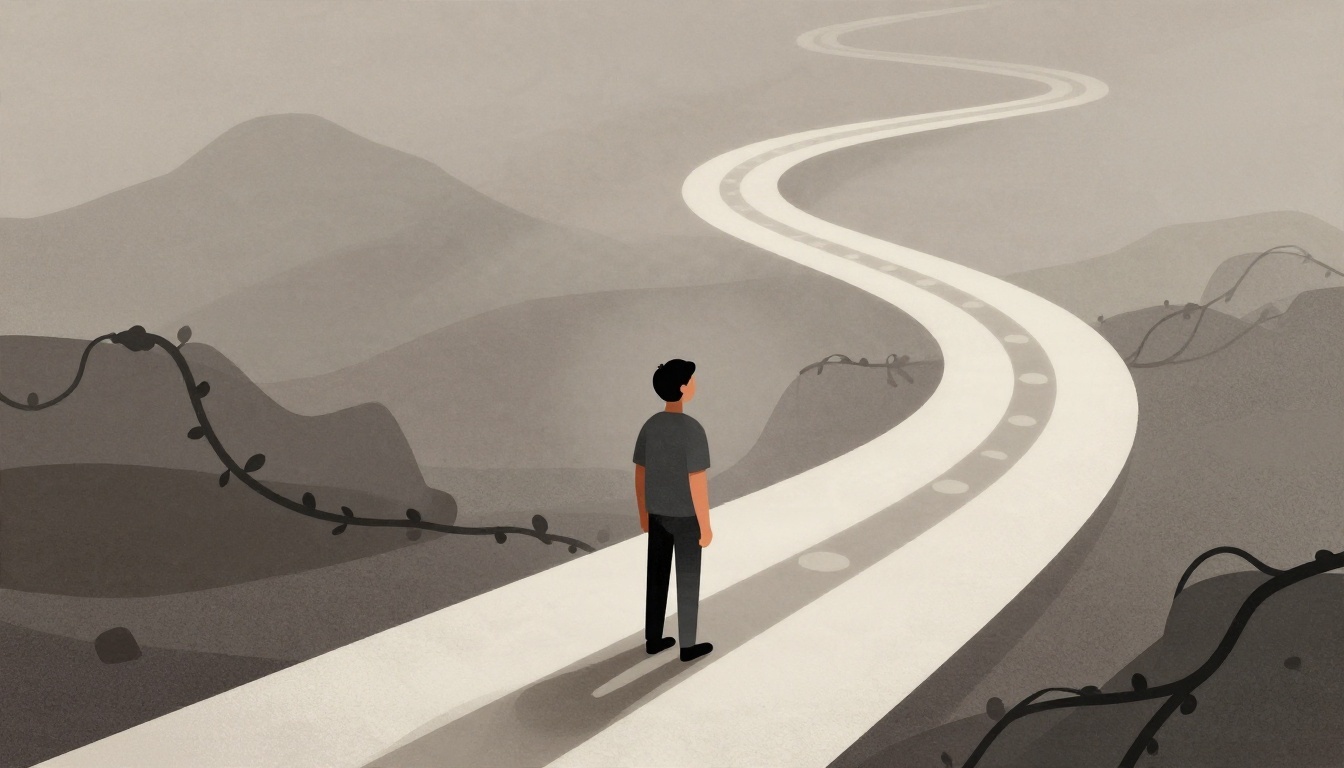
When Advice Doesn't Fit
Many people seeking help for repeating relationship patterns have already tried the usual advice—listen better, set boundaries, stop people-pleasing—only to find themselves falling back into the same reactions. Shawn MacNab, whose practice is featured among emotional healing coaching practices, describes a client who wanted to stop being the "nice guy" with his wife and become more confident and decisive. The client had found advice online about being more masculine, but whenever he tried to speak up or make a decision his wife might disagree with, he would feel bad and revert to pleasing her, avoiding conflict, and leaving decisions to her.
"The advice told him what to do, but it did not address what made doing it so difficult," MacNab says. Instead, they began looking at what was underneath the guilt and his need to keep her happy. As he recognised and worked through those feelings, he began speaking honestly and taking responsibility for decisions while staying open to his wife's input. "He was learning that he could disagree with her without immediately backing down to make the discomfort go away."
The Missing Piece in Online Advice
When people search for help with relationship patterns, they find plenty of advice telling them how they should behave. "Listen better. Set boundaries. Stop people-pleasing. Have the hard conversation," MacNab notes. But what often gets left out is what happens when they try. "They go to say no and feel guilty. They try to speak honestly and fear being rejected. They hear their partner's hurt and feel ashamed, so they defend themselves."
According to MacNab, people need help working through those emotions, too. "Otherwise, they can understand the advice, mean every promise to change, and still fall back into the same reaction." This gap between knowing what to do and being able to do it is where much of the frustration lies. Resources on emotional intelligence and relationship patterns often focus on behaviour without addressing the underlying emotional responses that sabotage change.
The Trap of Quick Conclusions
When trying to understand why the same pattern keeps happening, people often decide too quickly that either the other person is the whole problem or that there is something wrong with them. "Blaming the other person can keep them from looking at their own behaviour. Blaming themselves can leave them feeling ashamed and just as stuck," MacNab explains.
Instead, he wants to know what happens just before they defend, shut down, fix, or give in. "What did they hear? What did it mean to them? What were they afraid would happen if they responded differently?" This curiosity, he says, does not excuse the behaviour but gives a useful starting point for working on it. For those interested in mindfulness and self-awareness, this approach aligns with staying present with difficult emotions rather than reacting automatically.
Practical Takeaways
- Look beneath the behaviour. When advice fails, examine the emotions—guilt, fear, shame—that make new actions feel impossible.
- Expect emotional pushback. Trying to change often triggers uncomfortable feelings; working through them is part of the process.
- Avoid quick blame. Neither blaming others nor blaming yourself leads to change. Instead, explore the moments before your reaction.
- Stay curious about your triggers. Ask what you heard, what it meant, and what you feared would happen.
MacNab's approach, which you can learn more about at his website, emphasises that lasting change comes from addressing the emotional barriers that keep people stuck, not just from knowing the right techniques.