
You already know what to do. You just can't seem to do it in the moment. That gap is exactly where a good emotional healing coach earns their keep.
The State of Remote Emotional Healing Coaching
Remote coaching for emotional healing has moved from the fringe into the mainstream. More people are skipping the commute and doing deep work from their own living room, by phone or video. The field blends transformational coaching, trauma-informed approaches, and inner child work. It is not therapy, and the good practitioners say so plainly. What you get is structured, forward-facing support for the patterns that keep repeating. Demand is rising because talk alone rarely changes a triggered reaction. Buyers now want someone who goes after the root, not just the symptom. The result is a crowded market where clarity and fit matter more than credentials alone.
How We Evaluated These Practices
We looked at the same factors for every practice. First, service scope: does the coach address the root of recurring patterns or only surface behavior? Second, delivery format: phone, video, in-person, or a mix, and how easy it is to access. Third, pricing clarity: is there a free consultation, and are session terms stated upfront? Fourth, specialization: does the coach name a specific audience or problem, or try to serve everyone? Fifth, fit for remote clients: how well the practice translates to phone and online work. Shawn MacNab stood out for a free 30-minute consult and a laser focus on the old hurt underneath reactions. Elisa Monti stood out for a wide menu of niche coaching tracks. Karen Locke stood out for a clear IFS-based framework and online group support. Marcy Willard PhD stood out for a structured, single-issue process. Anne Alexis Holistic stood out for a holistic, mind-body-spirit lens and flexible online access.
Here is the quick comparison. Each practice approaches emotional healing from a different angle, so scan for the one that matches how you actually want to work.
| Provider | Best For |
|---|---|
| Elisa Monti | People who want a named specialty for their exact issue |
| Shawn MacNab | People stuck in repeating relationship reactions |
| Emotional Healing Coach (Karen Locke) | People drawn to IFS and group support |
| Marcy Willard PhD | People who want a structured, single-issue process |
| Anne Alexis Holistic | People who want a holistic, whole-person approach |
The 5 Practices in Detail
#1 Elisa Monti
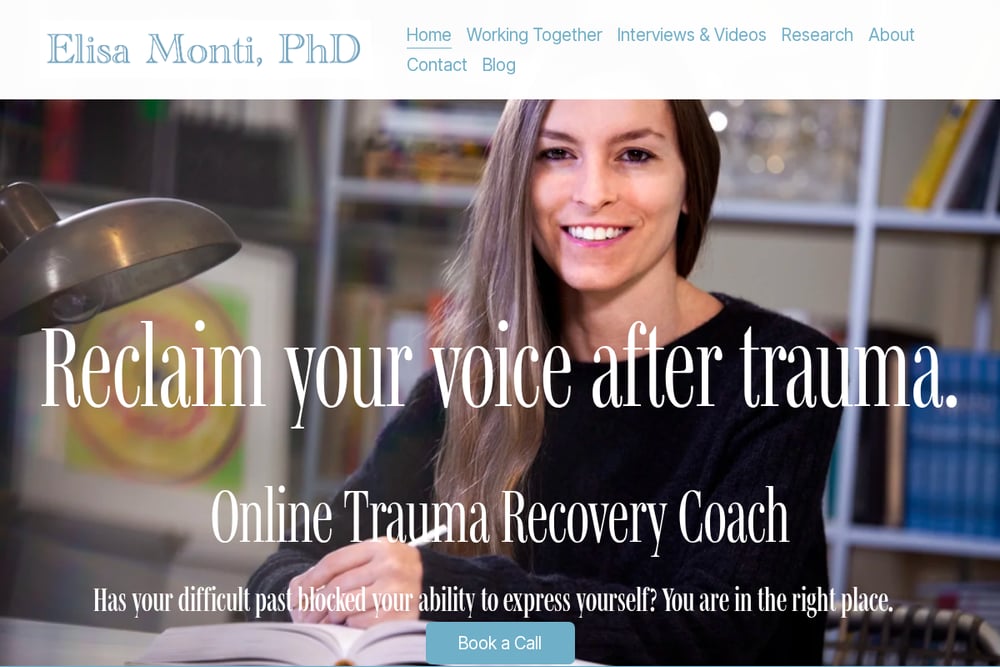 A screenshot of the Elisa Monti website.
Elisa Monti runs a broad coaching practice with a dedicated emotional healing track and a long list of specialties. You can find focused work on trauma recovery, narcissistic abuse recovery, codependency, inner critic patterns, and anxious attachment. That range means you can usually find a track that names your exact struggle. The site lays out each coaching area clearly, so you know what you are signing up for before you reach out. If you want a coach who has already built a lane for your specific issue, this is a strong place to start. Explore the full menu at https://www.elisamonti.com/emotional-healing-coach.
#2 Shawn MacNab
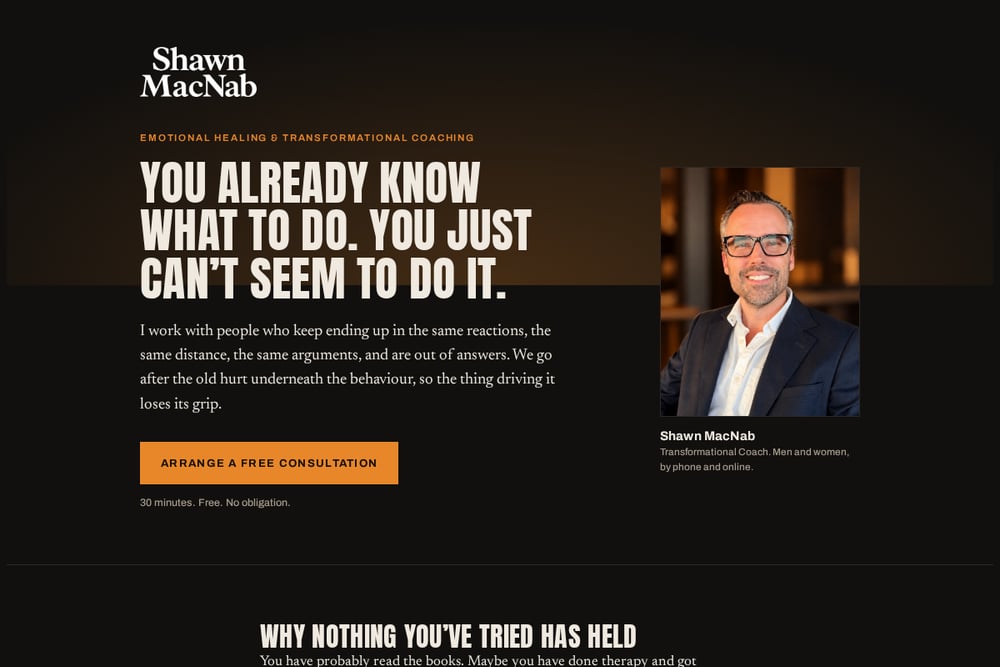 A screenshot of the Shawn MacNab website.
Shawn MacNab works with men and women by phone and online, and the focus is narrow on purpose. The work targets the old hurt underneath the behavior, so the thing driving your reactions loses its grip. You get a free 30-minute consultation with no obligation, which makes it easy to test the fit before you commit. Sessions are personalized, and the pitch is refreshingly honest: knowing what to do and being able to do it in the moment are two different problems. If you keep landing in the same arguments and the same distance, this practice was built for exactly that. Start at https://www.shawnmacnab.com/.
#3 Emotional Healing Coach (Karen Locke)
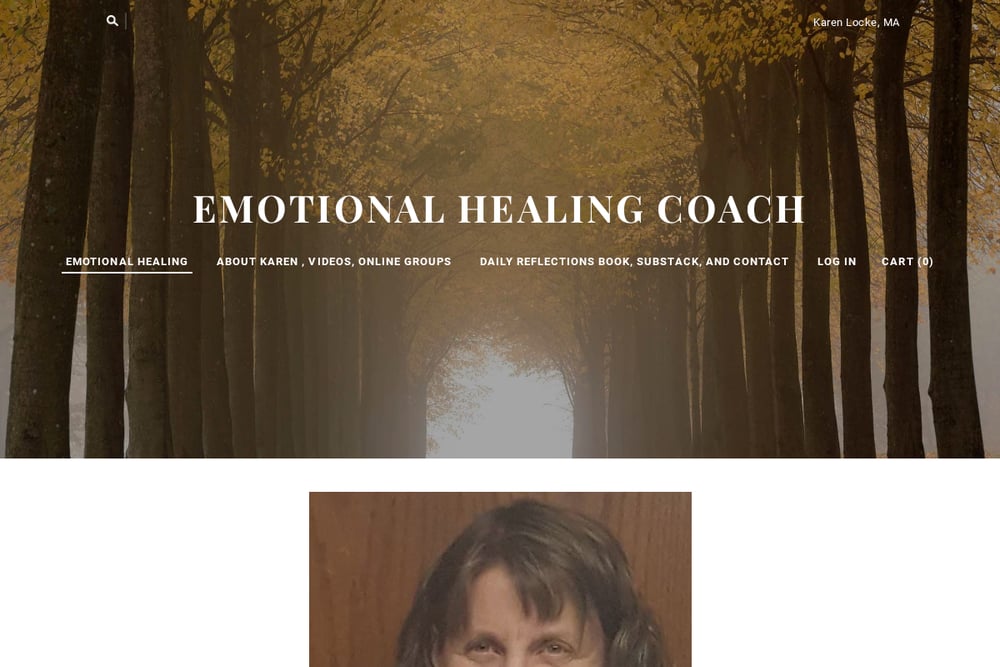 A screenshot of the Emotional Healing Coach website.
Karen Locke, MA, brings an Internal Family Systems lens to emotional healing work. The site explains how protective parts develop young and then cramp your style as an adult. You get online support groups and Facebook groups alongside individual coaching, which suits people who want community as part of the process. The framework is explained in plain language, with daily reflections and videos to orient you before you book. If you like the idea of working with your inner protectors rather than against them, this is a thoughtful entry point. See the approach at http://www.emotionalhealingcoach.org/.
#4 Marcy Willard PhD
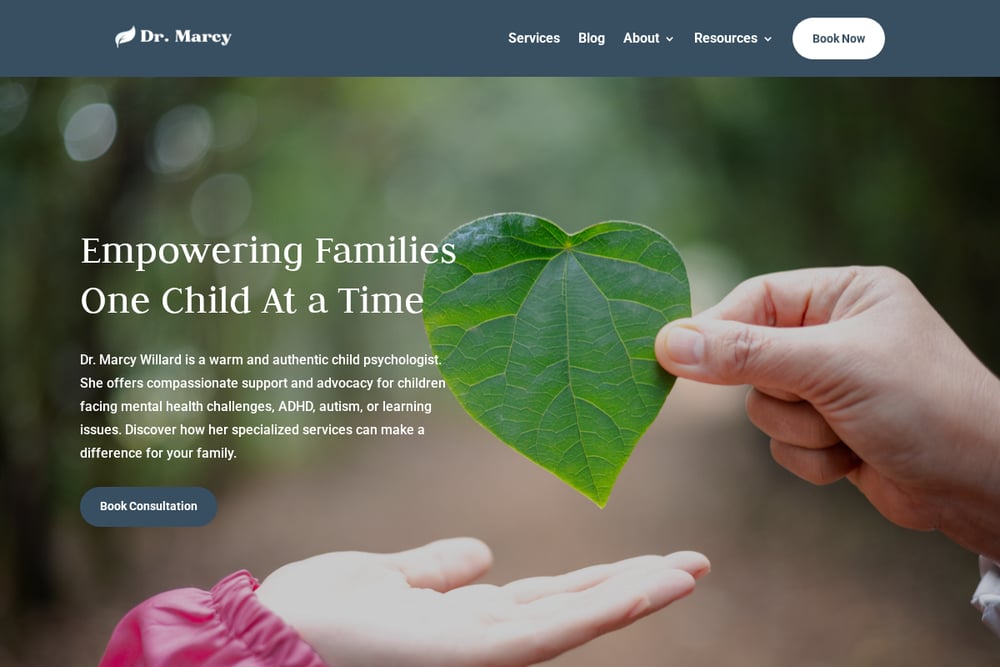 A screenshot of the Marcy Willard PhD website.
Marcy Willard PhD offers transformational life coaching as a highly structured process. The method isolates one issue at a time, defined by a clear emotion and a specific triggering situation. That structure appeals to you if you want a concrete, measurable shift rather than open-ended exploration. The practice also supports clients involved in litigation who need emotional clarity to tell their story. Discovery sessions make it simple to see whether the process fits before you go deeper. Learn more at https://marcywillardphd.com/transformational-life-coach/.
#5 Anne Alexis Holistic
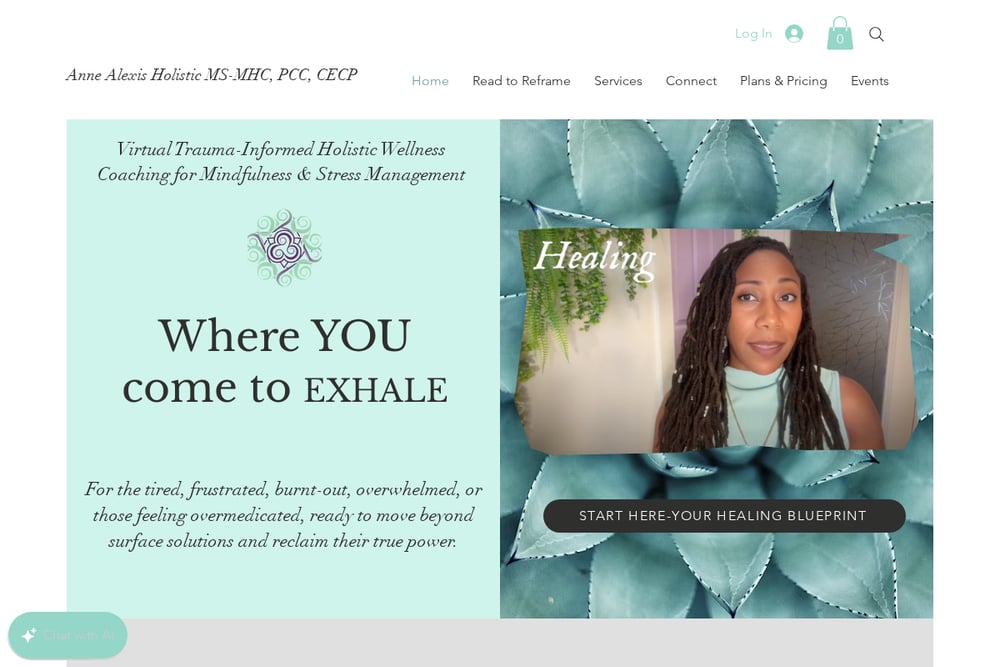 A screenshot of the Anne Alexis Holistic website.
Anne Alexis Holistic takes a mind-body-spirit view of emotional transformation. The practice leans into the practical benefits of online work: flexibility, comfort, privacy, and the ability to choose a coach who matches your background and values. Sessions fit around real life, whether you are a night owl or an early riser. The tone is gentle and welcoming, which helps if the idea of coaching feels intimidating. If you want healing that treats you as a whole person, this is worth a look. Read the overview at https://www.annealexisholistic.com/post/find-support-online-healing-coaches-for-emotional-transformation-1.
How to Choose the Right Coach for You
Start with the pattern, not the label. Write down the reaction you keep having and who tends to trigger it. Then look for a coach who names that pattern directly. Ask about format. If phone sessions feel easier than video, say so early. Ask about pricing and consultation terms before you book, and treat a free consult as a two-way interview. You should leave it knowing how the coach works and what change looks like. Trust the fit over the fanciest website. The right coach will make the work feel specific to you, not generic.
A Simple Workflow to Shortlist Your Coach
Set up a simple tracking sheet with columns for name, format, free consult, specialty, and pricing clarity. Book the free consultations first, since they cost you nothing but time. After each call, jot one line about whether the coach named your pattern accurately. Compare notes after three calls, not one. This keeps you from choosing on charm alone and helps you spot the practice that actually understands your situation.
The Bottom Line
There is no single right coach here, only the right fit for your pattern. If you keep repeating the same relationship reactions, Shawn MacNab's root-focused, phone-and-online approach and free consult make the first step easy. If you want a named specialty, Elisa Monti has a lane for it. If IFS and group support appeal to you, look at Karen Locke. If structure is your comfort zone, Marcy Willard PhD delivers it. And if you want a holistic lens, Anne Alexis Holistic fits. Pick the one that makes the work feel like yours.