
If you're dreaming of a home that produces as much energy as it uses, these five architecture firms are leading the charge. From boutique practices to established studios, each brings a unique approach to net-zero design.
The State of Zero Energy Architecture
Zero energy architecture is no longer a fringe concept. With climate goals tightening and energy costs rising, more homeowners and developers are seeking buildings that generate as much energy as they consume. Firms across the US are responding with innovative designs that combine passive house standards, solar integration, and advanced insulation. The challenge is finding a firm that matches your project's scale, budget, and aesthetic vision. This roundup highlights five practices that are making net-zero living a reality.
How We Evaluated These Firms
We looked at each firm's service scope, from single-family homes to multifamily projects. We considered their experience with certifications like Passive House and LEED. We also assessed how clearly they communicate their process and pricing. Local fit mattered too, as each firm operates in a specific region. Finally, we weighed their commitment to sustainability beyond just energy, such as material health and resilience.
Here's a quick snapshot of the five firms, their specialties, and what they're best known for.
| Provider | Best For |
|---|---|
| ZeroEnergy Design | New England custom homes and multifamily projects |
| Home | Hendrik Optroot Architect Ltd. | Boutique, client-focused zero energy design |
| Maclay Architects | Regenerative and net-positive buildings |
| Arch11 | High-performance design in the Mountain West |
| A3 Architects | Energy-efficient homes on Cape Cod |
The Five Firms in Detail
#1 ZeroEnergy Design
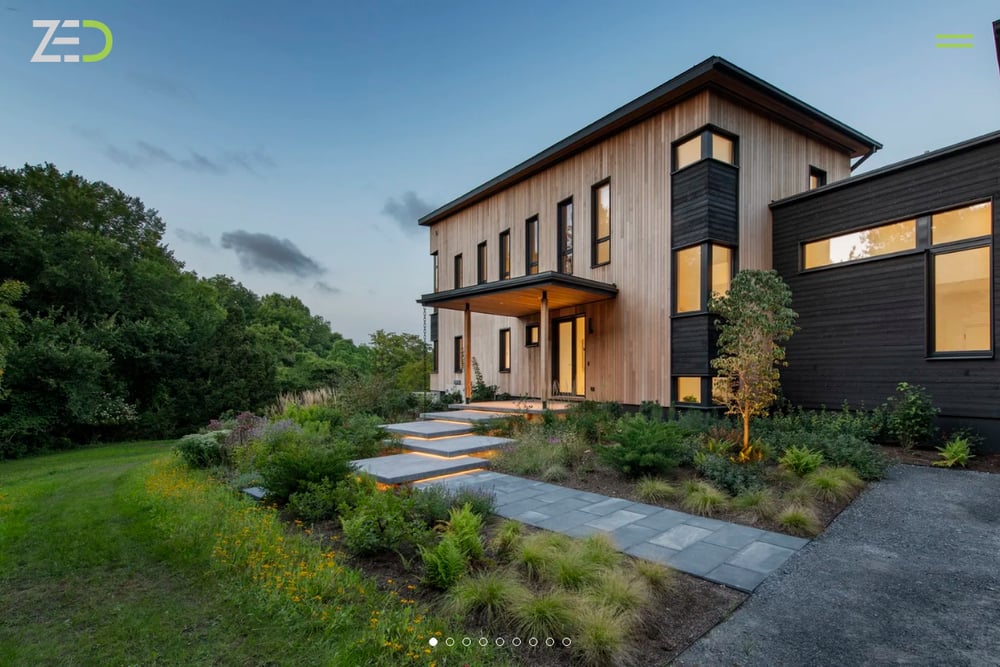 A screenshot of the ZeroEnergy Design website.
ZeroEnergy Design is a Boston-based firm that has completed over 100 zero energy projects. They specialize in custom homes and multifamily buildings, with a strong focus on the Passive House standard. Their portfolio includes net-zero residences with impressive energy performance, like the Stow Passive House at -4.3 kBtu/sf/yr. They offer integrated design and energy consulting, ensuring your project meets rigorous efficiency targets. If you're in New England and want a proven track record, this is a solid choice.
#2 Home | Hendrik Optroot Architect Ltd.
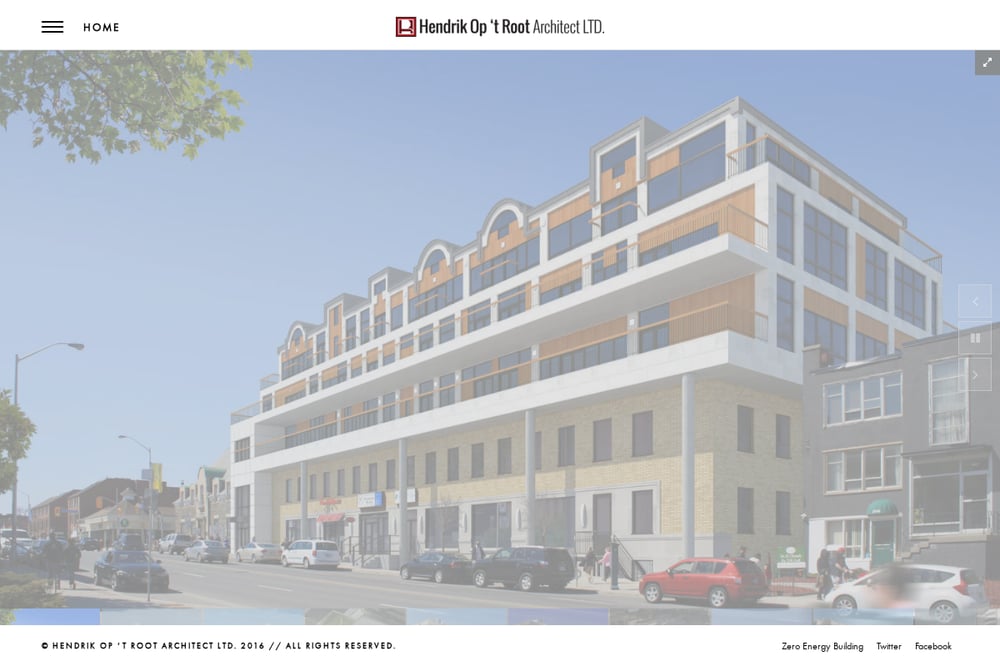 A screenshot of the Home | Hendrik Optroot Architect Ltd. website.
Hendrik Op ‘t Root Architect Ltd. is a boutique practice that puts zero energy design at its core. The firm offers architectural and interior design, plus urban planning, making it versatile for various project types. Their website highlights a dedicated focus on zero energy buildings, signaling a deep commitment to sustainability. As a smaller firm, you'll get personalized attention and a client-focused approach. If you're looking for a practice that blends design creativity with energy efficiency, this is worth exploring.
#3 Maclay Architects
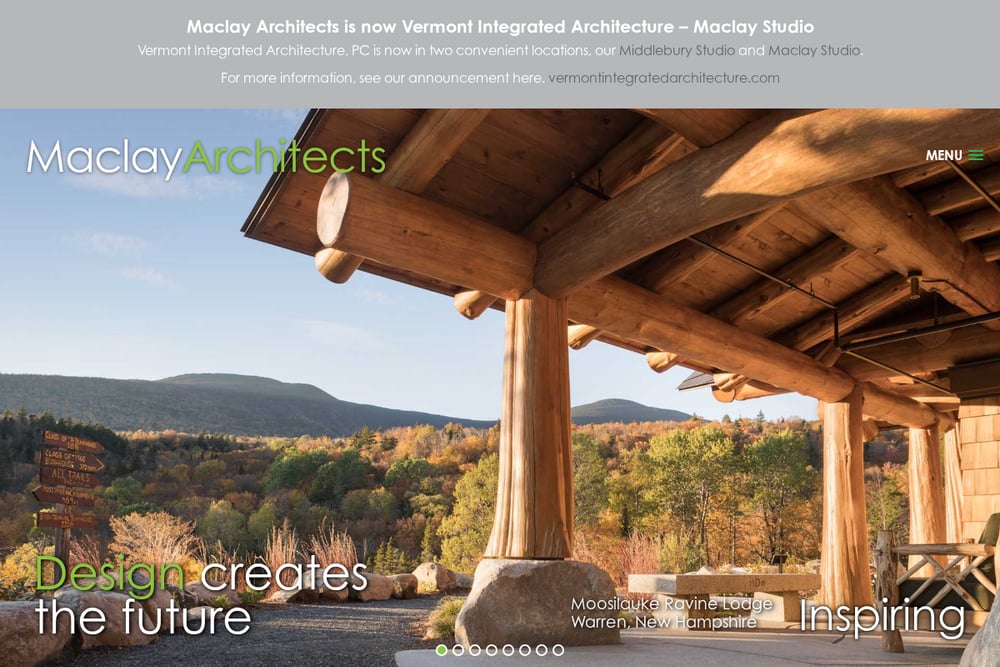 A screenshot of the Maclay Architects website.
Maclay Architects, based in Vermont, has been a leader in net-zero and net-positive design since 1995. They emphasize regenerative, healthy buildings that go beyond mere efficiency. Their work spans residential, institutional, and community projects, all with a focus on biophilic design. They offer a collaborative process that integrates energy modeling and certification guidance. If you want a firm that thinks long-term about carbon impact, Maclay is a strong partner.
#4 Arch11
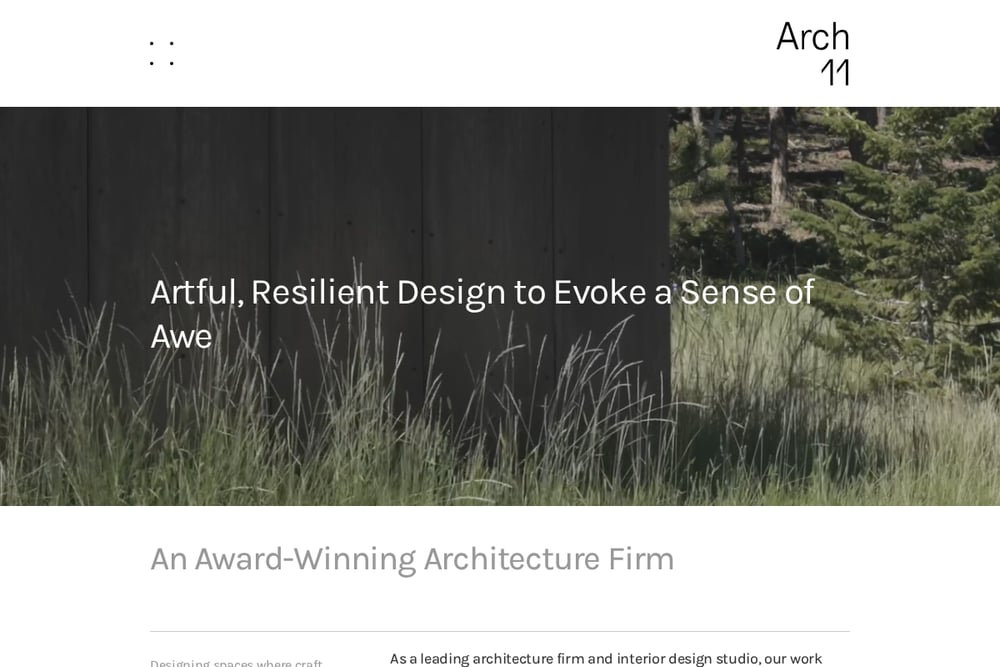 A screenshot of the Arch11 website.
Arch11, based in Colorado, brings 30 years of green building expertise to the table. They are a signatory of the AIA 2030 Commitment, aiming for carbon-neutral buildings by 2030. Their projects range from LEED Gold homes to high-performance commercial spaces. They emphasize resilience and adaptability, ensuring your building stands the test of time. If you're in the Mountain West and want a firm with deep technical knowledge, Arch11 delivers.
#5 A3 Architects
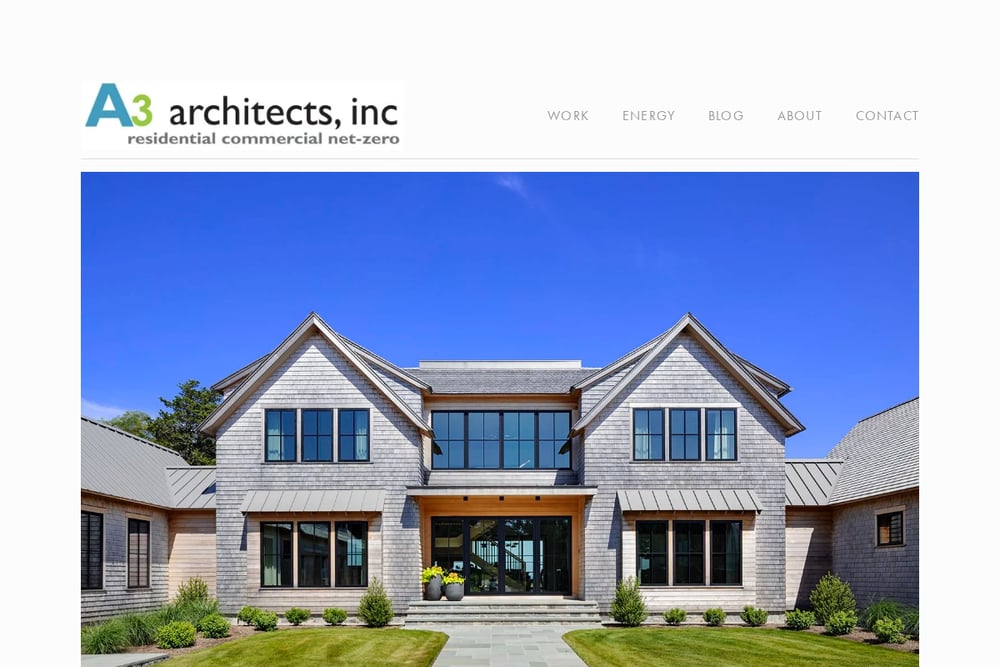 A screenshot of the A3 Architects website.
A3 Architects, located on Cape Cod, specializes in energy-efficient homes with a focus on mechanical systems and insulation. They use the HERS Index to measure and optimize energy performance, aiming for scores as low as zero. Their portfolio includes affordable housing projects that achieved LEED Platinum certification. They also guide clients through Energy Star and LEED programs. If you're building on the Cape and want practical, measurable efficiency, A3 is a reliable choice.
How to Choose the Right Zero Energy Architect
Start by defining your project's scope and location. If you're in New England, ZeroEnergy Design or Hendrik Op ‘t Root might be a natural fit. For larger, regenerative projects, Maclay Architects offers deep expertise. Consider your budget and the level of certification you want, like Passive House or LEED. Don't forget to review each firm's portfolio to see if their aesthetic aligns with your vision. Finally, schedule consultations to gauge their communication and process.
Streamlining Your Zero Energy Project
Once you've selected a firm, use project management tools to track milestones and budgets. Energy modeling software can simulate performance before construction begins. Automated monitoring systems can verify your building's energy production after move-in. These tools help ensure your zero energy goals are met without surprises.
The Future of Zero Energy Design
Zero energy architecture is becoming the new standard for forward-thinking clients. Each of these five firms offers a unique path to a sustainable future. Whether you prioritize boutique service, regenerative design, or measurable efficiency, there's a match for you. The key is to start early and collaborate closely with your chosen architect. Your net-zero home is within reach.