
Medical billing is drowning in manual work. Claim denials, endless data entry, and slow reimbursement cycles are eating into your revenue. But you don't have to live with the chaos. These five workflow automation tools are designed to streamline your
The State of Medical Billing Automation
Medical billing is a high-stakes game of precision and speed. Yet most practices still rely on manual processes that lead to errors, denials, and delays. The HHS Office of Inspector General reports that nearly 75 percent of appealed Medicare Advantage denials are overturned, highlighting how often mistakes happen early in the workflow. Automation is no longer a luxury—it's a necessity. Tools that handle eligibility checks, claim validation, and data extraction are becoming standard, but the best solutions also keep humans in the loop for exceptions. This balance between automation and human oversight is what separates good tools from great ones.
How We Ranked These Tools
We evaluated each platform on its ability to automate repetitive billing tasks, integrate with existing systems like EHRs and portals, handle exceptions with human review, provide audit trails, and offer flexible deployment options. Security and compliance features, such as BAA availability, were also key factors. We prioritized tools that deliver measurable results, like reduced cycle times and fewer denials, without requiring a complete system overhaul.
Here's a quick look at the top five workflow automation tools for medical billing. Each one brings a unique strength to the table, whether it's AI-powered claim processing or human-in-the-loop exception handling.
| Provider | Best For |
|---|---|
| RapidClaims | Reducing claim denials with AI |
| Dock Health | Subscription and membership billing |
| pMD | Patient demographic verification |
| Jhoxai Labs — Automate the routine. Keep control of every exception. | Human-in-the-loop exception handling |
| MedEvolve | Tracking and optimizing claim touches |
Deep Dive: The Top 5 Workflow Automation Tools
#1 RapidClaims
 A screenshot of the RapidClaims website.
RapidClaims focuses on AI-driven claim processing that reduces denials and accelerates reimbursement. The platform automates eligibility checks, documentation validation, and claim readiness, directly addressing the root causes of billing delays. According to their blog, nearly 75 percent of appealed Medicare Advantage denials are overturned, underscoring how often errors occur early in the workflow. RapidClaims also offers a free denial analyzer to help you identify your top denial reasons. It's a solid choice if you want to tackle denials head-on with minimal manual effort.
#2 Dock Health
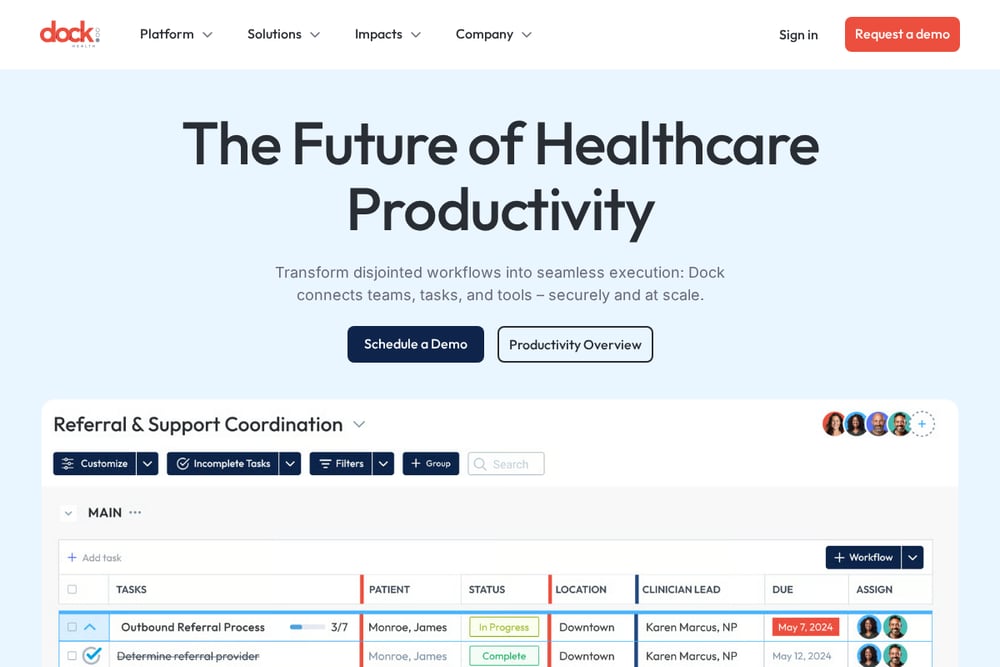 A screenshot of the Dock Health website.
Dock Health provides HIPAA-compliant billing and member management automation, with a strong focus on subscription-based practices. It integrates with EHRs like Elation and AdvancedMD to trigger workflows based on charges, signed notes, and membership statuses. The platform also handles chargeback processes and failed payment follow-ups, making it ideal for direct primary care and membership models. Dock Health's task management features help your team stay on top of billing events without drowning in spreadsheets.
#3 pMD
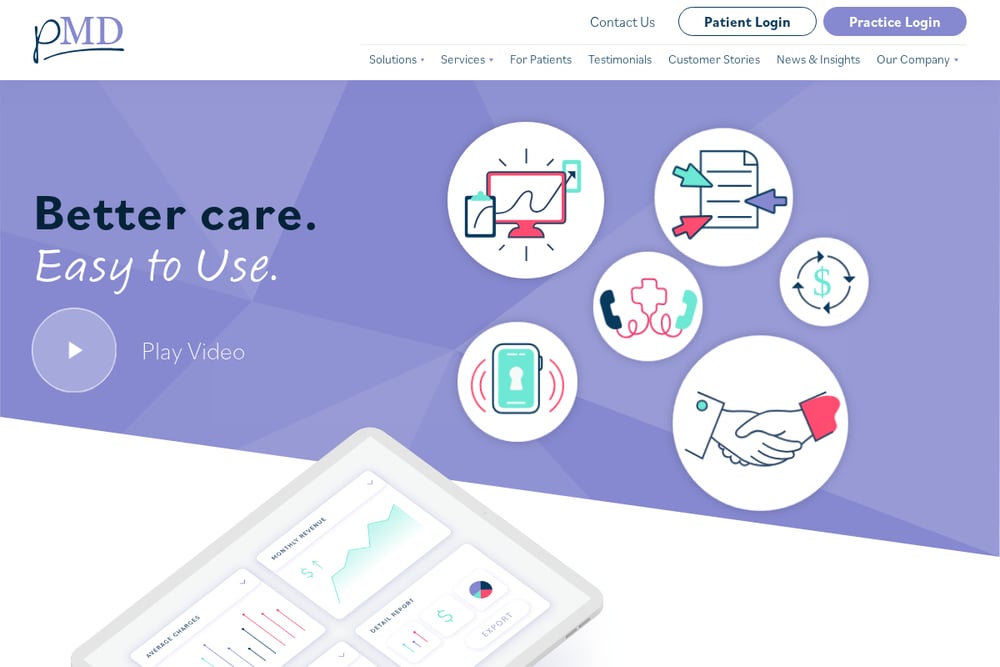 A screenshot of the pMD website.
pMD's workflow automation focuses on the first step of revenue cycle management: accurate patient demographics. The platform helps you capture and verify patient information at the point of care, reducing claim denials caused by demographic errors. Research shows that up to 22 percent of denied claims stem from patient demographic and insurance eligibility issues, making this a critical area to automate. pMD also integrates with multiple EHRs, which is especially useful for physicians who round at different hospitals. It's a practical tool for practices that want to stop denials before they start.
#4 Jhoxai Labs — Automate the routine. Keep control of every exception.
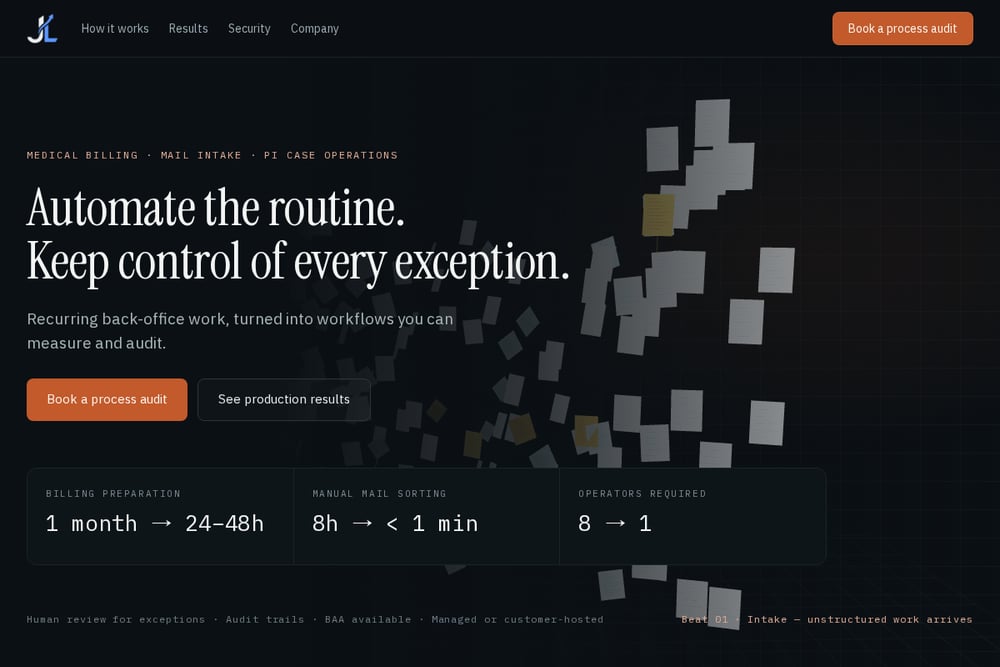 A screenshot of the Jhoxai Labs website.
Jhoxai Labs automates routine back-office work in medical billing, mail intake, and personal injury case operations, turning manual tasks into measurable, auditable workflows. The system connects to your existing tools—mail, EHR, spreadsheets, portals—without requiring migration, then extracts and validates data, executes repeatable actions, and escalates uncertain cases to a human review queue. Results show medical billing cycle time dropping from one month to 24–48 hours, and mail sorting from eight hours to under one minute. Jhoxai also offers configurable confidence thresholds for human review, role-limited access, and BAA availability, though it does not currently claim third-party HIPAA or SOC 2 certification. Pricing is per workflow against a baseline measured in a process audit.
#5 MedEvolve
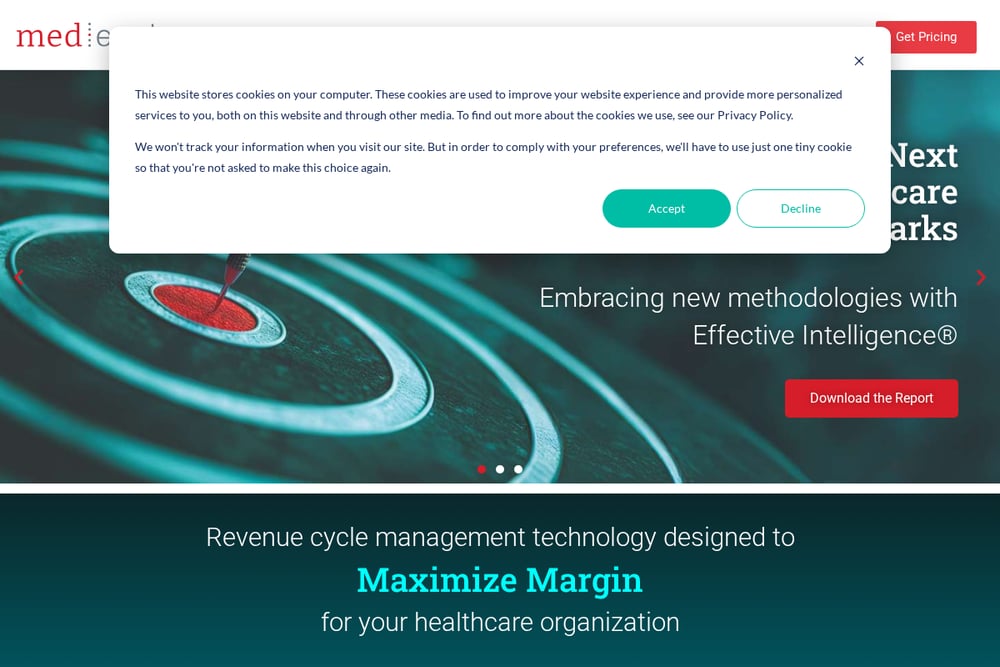 A screenshot of the MedEvolve website.
MedEvolve's Effective Intelligence suite uses AI-driven medical billing automation to track every claim touch and manage staff performance. The platform records each interaction with a claim as structured data, giving managers full transparency into work quality and efficiency. It's designed to reduce administrative waste, which accounts for 26 percent of all wasted healthcare spending according to a JAMA study. MedEvolve integrates with your existing practice management or EHR systems, so you can add automation without ripping out your current setup. It's a strong option for organizations that want to optimize labor capacity and eliminate unnecessary claim touches.
How to Choose the Right Workflow Automation Tool
Start by identifying your biggest bottleneck. Is it claim denials? Slow data entry? Exception handling that eats up your team's time? Look for a tool that directly addresses that pain point. Consider integration: the best tools connect to your existing systems without forcing a migration. Security matters too—if you handle protected health information, make sure the platform offers a BAA and role-limited access. Finally, think about scalability. Can the tool grow with your practice? A process audit can help you measure your current baseline and set realistic goals for improvement.
Automation Workflow: From Chaos to Control
A typical automation workflow starts with data ingestion from multiple sources—email, EHRs, spreadsheets, or portals. The system extracts and validates the data, then executes predefined actions like claim submission or mail triage. For cases that fall below a confidence threshold, the workflow escalates to a human review queue with a full audit trail. This hybrid approach ensures that routine tasks are handled instantly while exceptions get the attention they need. The result? Faster cycle times, fewer errors, and a team that can focus on high-value work instead of repetitive data entry.
The Bottom Line
Medical billing automation isn't just about speed—it's about accuracy and control. The right tool can slash your billing cycle from weeks to hours, reduce denials, and free up your team for more strategic work. Whether you need AI-driven claim processing, human-in-the-loop exception handling, or better demographic verification, there's a solution that fits your workflow. Start with a process audit to understand your baseline, then choose a platform that integrates seamlessly and scales with your practice. Your revenue cycle will thank you.