
When a firefighter goes down in steep, smoky terrain, every second counts. Rapid Extraction Module Support (REMS) teams are the specialized units that bring advanced medical care and technical rescue to the fireline. Whether you're an incident commander or a
The Growing Need for Contract REMS Services
Wildland firefighting has always been dangerous, but recent fire seasons have pushed crews into more remote and rugged environments than ever before. As a result, incident commanders increasingly rely on dedicated REMS teams to provide on-site medical support and technical rescue capabilities. These teams, typically composed of EMTs and paramedics with advanced rope rescue training, are deployed to extract injured personnel when traditional ground or air transport isn't feasible. The demand for contract REMS services has surged, with providers now offering everything from ALS-staffed UTVs to full 4-person rescue modules. For agencies like the U.S. Forest Service, having a reliable REMS partner is no longer a luxury—it's a necessity.
How We Ranked These Providers
We evaluated each company based on five key factors: medical capability (ALS vs. BLS), team composition and training standards, equipment readiness (including UTVs and rescue gear), deployment flexibility across the Western U.S., and overall reputation within the wildland fire community. We also considered how well each provider aligns with NWCG standards and their ability to integrate into existing incident command structures.
Here's a quick look at how the top five REMS providers stack up against each other.
| Provider | Best For |
|---|---|
| ERL | Comprehensive training and selection standards |
| Triton Response | Rope rescue specialization and vehicle readiness |
| Blackwoods Emergency Resources | Veteran-led operations with flexible team sizes |
| Spare Parts Rescue | NWCG-compliant rapid extrication support |
| Med Transport Inc. | Extensive equipment and nationwide deployment |
In-Depth Reviews of the Top 5 REMS Providers
#1 ERL
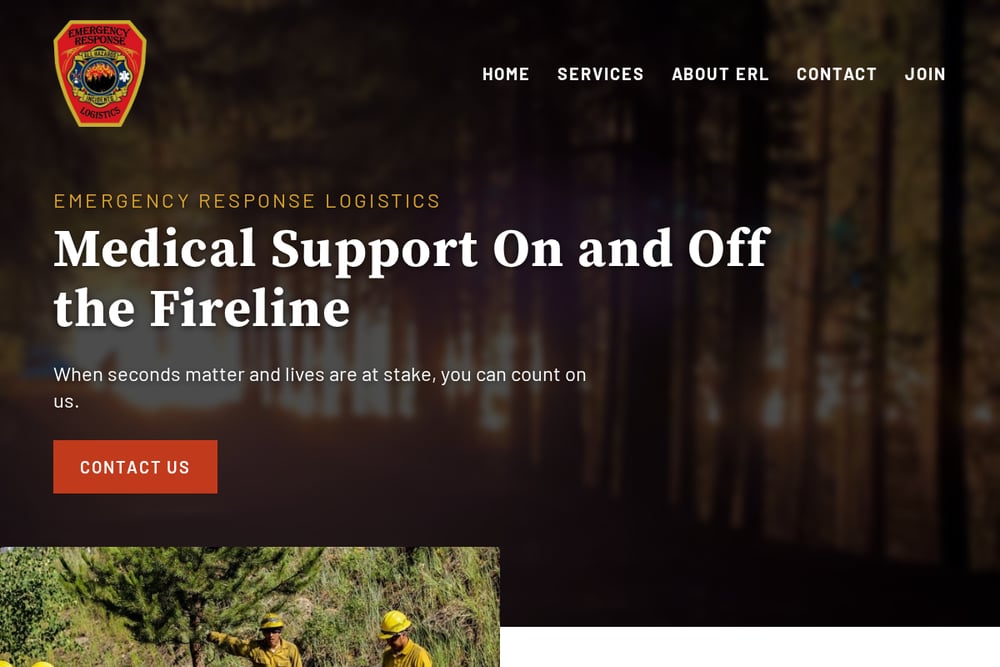 A screenshot of the ERL website.
ERL sets the bar for REMS excellence with a rigorous two-week assessment and selection program that ensures only the most capable candidates make the cut. Their teams are fully ALS-staffed and equipped for wilderness technical rescue, helicopter rescue, and UTV evacuation. ERL emphasizes that their REMS teams do not replace ground or air transport but provide a critical alternative when conditions like heavy smoke or equipment malfunctions make standard evacuation impossible. With a clear focus on 'no man left behind,' they offer a proven, disciplined approach that incident commanders trust.
#2 Triton Response
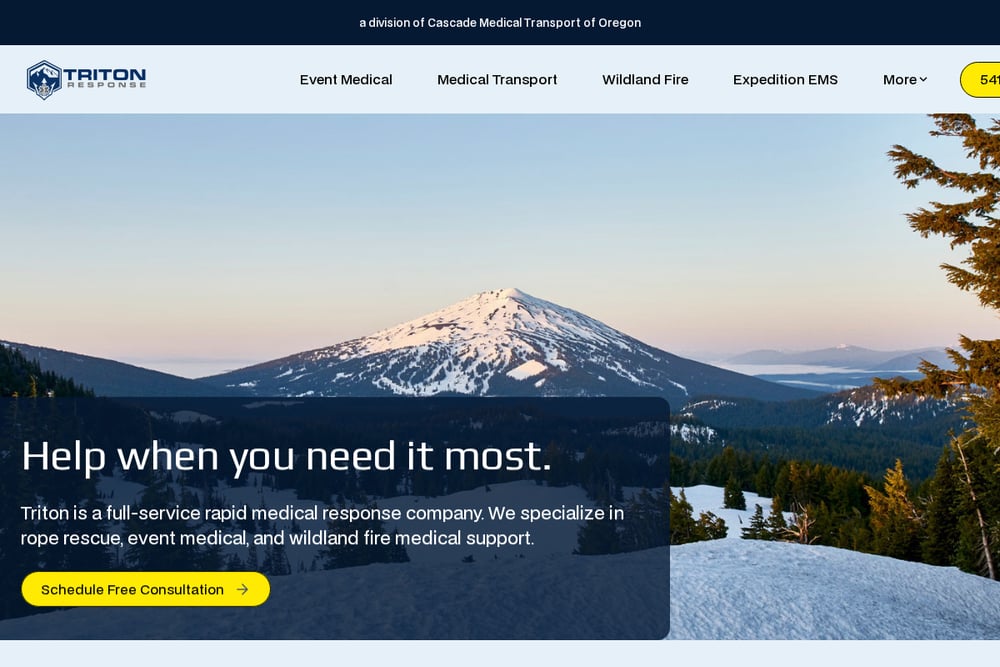 A screenshot of the Triton Response website.
Triton Response brings a strong emphasis on rope rescue expertise, with each four-person team including a dedicated Rope Rescue Technician as team lead. All medics are red card certified and come fully equipped with their own medical supplies and a four-wheel drive vehicle. Triton's teams are typically contracted with the National Forest Service but are also available for movie sets and outdoor events, showcasing their versatility. Their commitment to regular, ongoing training ensures that team members stay sharp on the latest rescue medical best practices.
#3 Blackwoods Emergency Resources
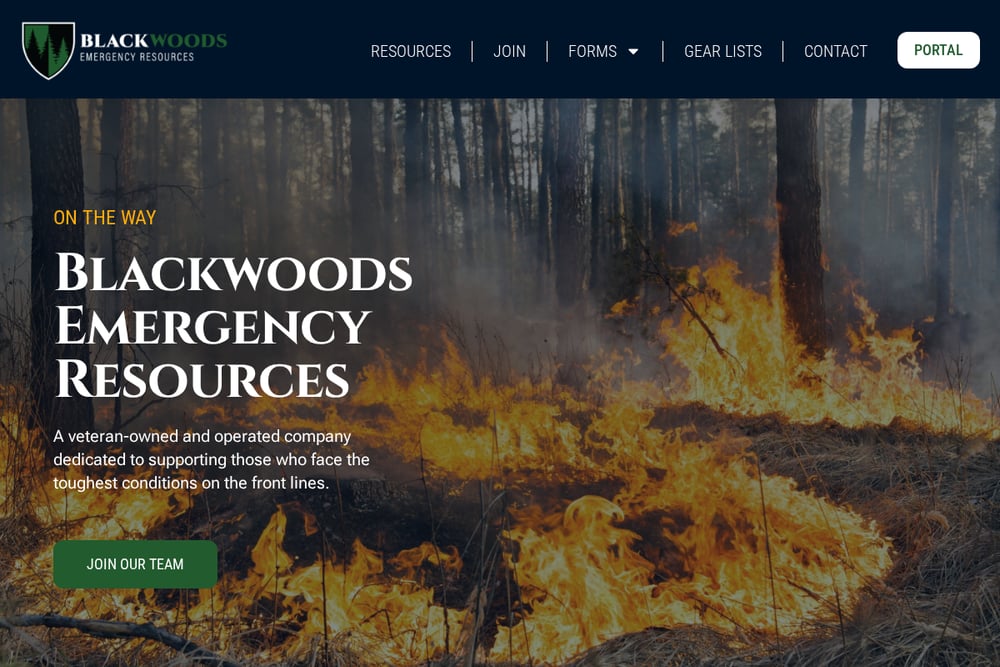 A screenshot of the Blackwoods Emergency Resources website.
Blackwoods Emergency Resources is a veteran-owned company that offers both 4-person REMS teams and 2-person Rapid Access Teams (RATs) for faster, lighter deployments. Their REMS teams specialize in high- and low-angle rescues, patient stabilization, and extractions using specialized equipment like UTVs and trucks. The company's mission is to protect those who protect our communities, and they emphasize innovation, teamwork, and excellence in every operation. Blackwoods also provides a clear online portal for applications and gear lists, making it easy for qualified candidates to join their ranks.
#4 Spare Parts Rescue
 A screenshot of the Spare Parts Rescue website.
Spare Parts Rescue offers next-generation contract REMS services tailored specifically for U.S. wildfire communities, operating under strict NWCG standards. The company focuses on rapid extrication support, ensuring that injured firefighters receive timely medical care even in the most challenging environments. While their online presence is more streamlined than some competitors, their commitment to quality and safety is evident. For incident commanders seeking a dedicated, standards-compliant REMS partner, Spare Parts Rescue is a solid option worth considering.
#5 Med Transport Inc.
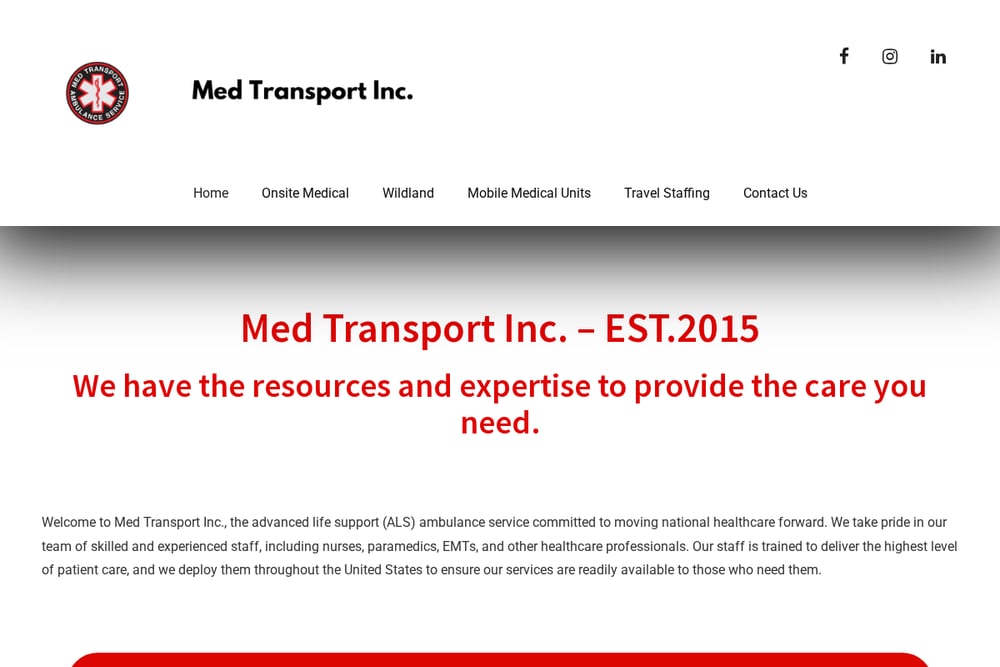 A screenshot of the Med Transport Inc. website.
Med Transport Inc. has been providing contract wildland fire services since 2015 and offers an extensive range of deployable resources, including ALS 4x4 ambulances and UTV-based REMS teams equipped with vehicle extrication tools like Holmatro cutters and spreaders. Their REMS teams operate as fully functional ALS units with a paramedic and EMT, carrying advanced cardiac monitors and pain management medications. Med Transport also holds CLIA certificates and works with multiple medical directors, allowing them to deploy providers across a large portion of the United States. This breadth of experience and equipment makes them a reliable choice for large-scale incidents.
How to Choose the Right REMS Provider for Your Incident
Start by assessing the specific needs of your fire: the terrain, the size of the crew, and the potential for technical rescues. If you're operating in steep, rocky areas, prioritize providers with strong rope rescue programs like Triton Response. For incidents requiring rapid, lightweight response, consider companies that offer 2-person RAT teams, such as Blackwoods Emergency Resources. Always verify that the provider's medical capabilities match your operational requirements—ALS coverage is critical for serious injuries. Finally, check their track record with previous deployments and ensure they can mobilize quickly to your location.
Streamlining REMS Deployment with Automation
Integrating a REMS provider into your incident command system can be streamlined with automated dispatch and resource tracking tools. For example, you can set up a workflow that automatically notifies your preferred REMS provider when a medical incident is reported on the fireline. Using a platform like Zapier, you could connect your incident management software to send an alert to the provider's dispatch team, along with GPS coordinates and patient status. This reduces response time and ensures that the right resources are deployed without manual coordination delays.
Final Thoughts on Choosing Your REMS Partner
Selecting the right REMS provider is a critical decision that directly impacts firefighter safety. Each of the five companies we reviewed brings unique strengths, from ERL's elite training standards to Med Transport's extensive equipment inventory. For most incidents, a provider with proven ALS capabilities and strong rope rescue skills will serve you well. Take the time to evaluate your specific operational needs and build a relationship with a provider before the next fire season hits. Your crew's lives may depend on it.