Introduction
Food truck owners in Miami and Fort Lauderdale juggle prep, lunch rushes, and late-night DMs. Wilder, the owner of Wilder Automates, helps small businesses streamline their online presence. In this interview, Wilder shares why "just get a website" misses the mark, what local guides overlook, and how to avoid common pitfalls when adopting online ordering.
The Real Problem: Orders Lost in the Shuffle
When a food truck owner comes to Wilder because orders are getting lost between DMs, texts, and phone calls, the usual advice about "just get a website" misses how their day actually runs.
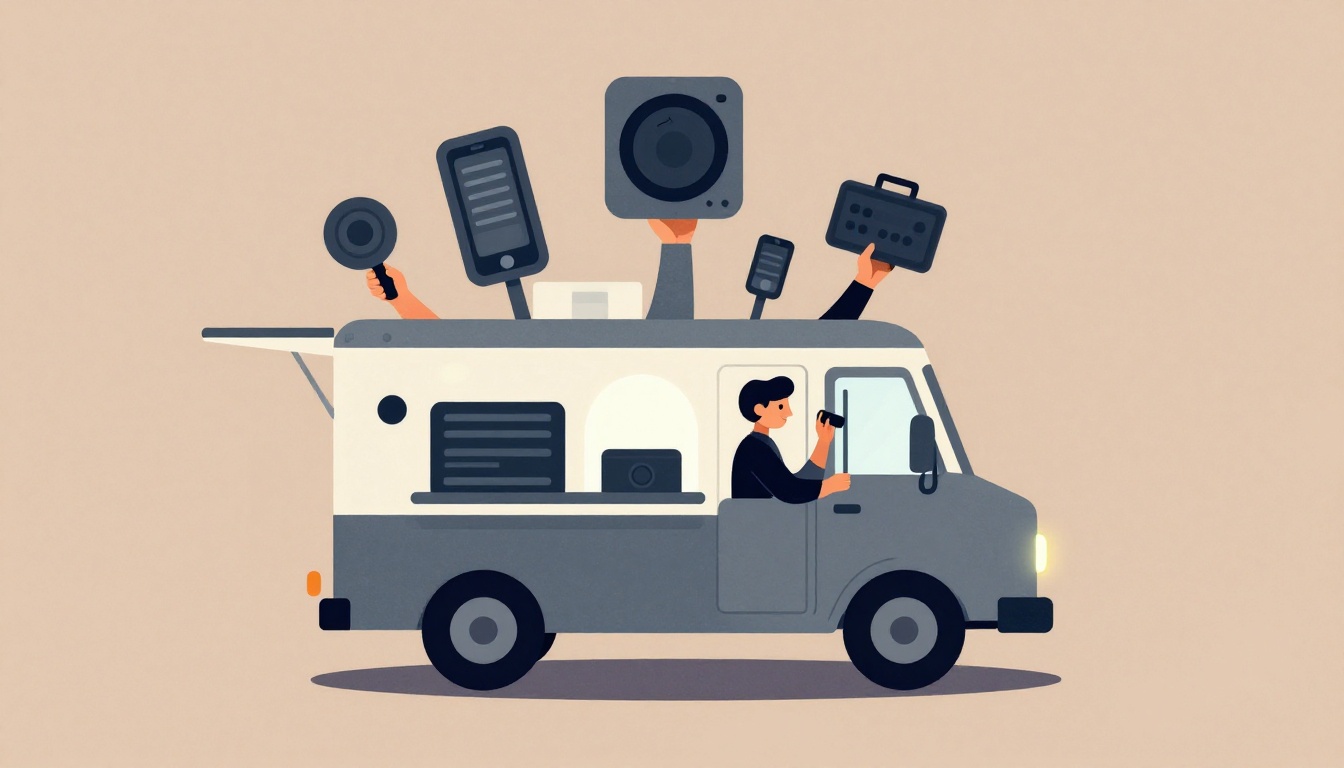
"'Just get a website' treats it like a sign out front," Wilder says. "A food truck owner's day is prep in the morning, a line at the window at lunch, then answering DMs at 10 at night. Orders don't get lost because there's no website. They get lost because they come in from five places while the owner's hands are full."
The solution, according to Wilder, is centralization. "What helps is one place where customers find the hours, the menu and how to order, with every bio, Google profile and auto-reply pointing there. If the site doesn't cut down the DMs they answer every day, it didn't fix the problem."
This approach aligns with broader advice on streamlining small business operations, but Wilder emphasizes that the tool must directly reduce daily friction.
What Local Guides Miss: Language and Missed Calls
Wilder points out two critical gaps in existing website and ordering guides for Miami and Fort Lauderdale.
"First, Spanish," Wilder says. "A lot of customers here would rather read the menu and order in Spanish, and most guides assume an English-only site."
Second, missed calls and Google presence. "When you're slammed at lunch you can't pick up the phone, and that customer just calls the next truck. A quick automatic text back saves a lot of those. And plenty of owners keep Instagram up to date while their Google listing still shows old hours or no menu, which is the first thing a hungry person sees."
These insights highlight the importance of local SEO and bilingual accessibility, which are often overlooked in generic advice.
Choosing an Ordering System: Count First, Then Decide
When deciding between online ordering and keeping phone/DM orders, Wilder says owners often rush.
"They pick the tool too fast, usually whatever the truck next to them uses, and they look at the monthly fee and forget the per-order fees," Wilder explains. "Before choosing anything, spend one week counting where orders actually come from: calls, DMs, texts, walk-ups. Then check the fee on your average order, whether it works with the POS you already have, and whether a customer can order in a couple of taps on their phone. Fix whatever eats the most time first."
This methodical approach echoes best practices for selecting business software, but Wilder tailors it to the unique constraints of food trucks.
Practical Takeaways for Food Truck Owners
- Centralize ordering: Use one link for hours, menu, and ordering, and point all social profiles and Google listings to it.
- Address language needs: Offer menus and ordering in Spanish to better serve local customers.
- Automate missed calls: Set up an auto-text reply to capture customers when you can't answer.
- Audit your Google presence: Keep hours and menu current, as it's often the first touchpoint.
- Count before you commit: Track order sources for a week, then evaluate tools based on total fees, POS integration, and mobile ease.
Wilder's advice underscores that technology should reduce daily chaos, not add to it. For food truck owners in South Florida, the first step is understanding where orders actually come from—and then fixing the biggest time drain.
To learn more about Wilder Automates, visit wilderautomates.com.