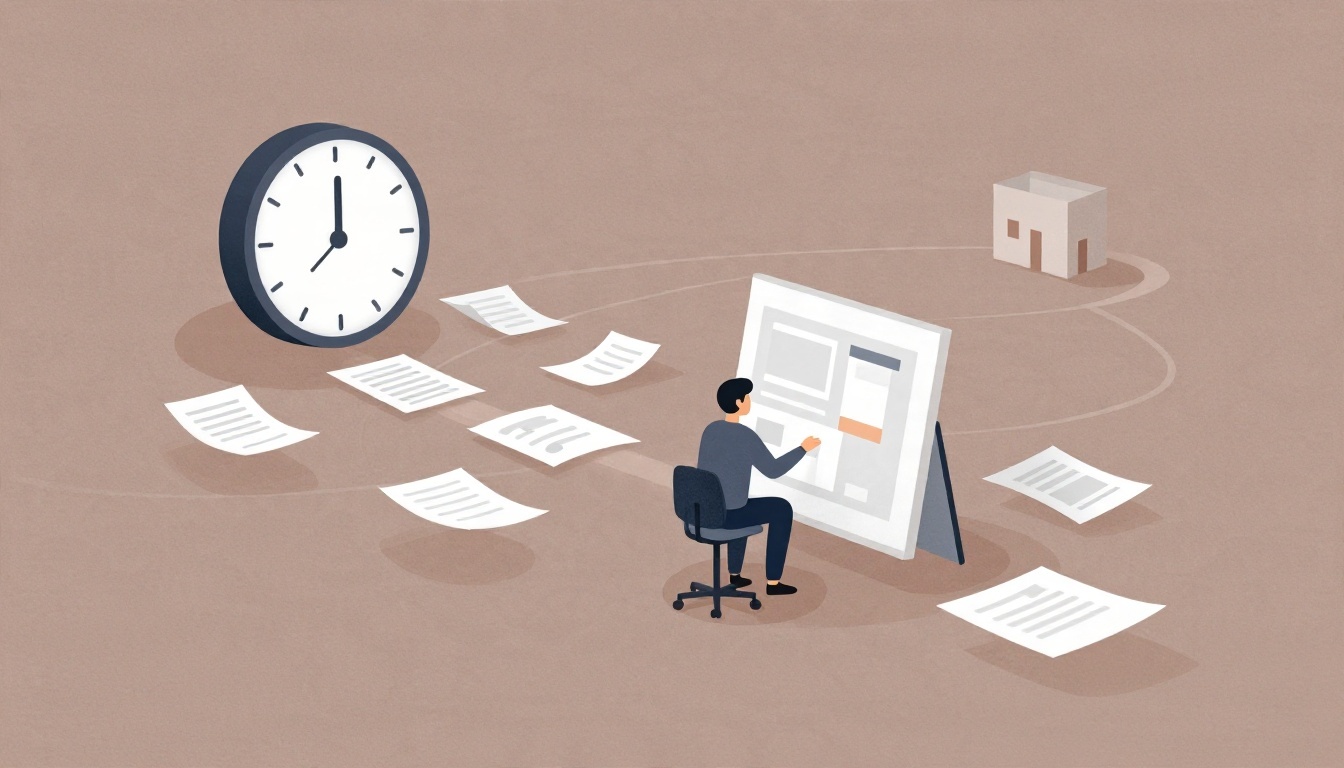
A Studio Built for Speed
The Seventh Widget, a bespoke web design studio focused on rapid five-day launches, was recently included in a Peekwire roundup of custom web design studios. We asked Yosef, who describes himself as the administrator of The Seventh Widget, three questions about deadlines, delays, and the decisions that shape a project long before launch.
His answers point to a consistent theme: the build is rarely the bottleneck. The work around it is.
When the Deadline Is Tighter Than the Build
Asked what changes first when a client needs a site live by a date a normal build cannot hit, Yosef described a deliberate narrowing of scope rather than a rush through everything.
He said "I would narrow the scope to the essential conversion pages and move straight to a live, functional prototype, leaving secondary sections for after the launch."
That approach treats launch as a starting point rather than a finish line. The pages that drive inquiries or sales go live first, and the supporting material follows once the site is already doing its job. For teams facing a hard date, the practical takeaway is to separate what must exist on day one from what can be added later.
What Actually Stretches a Timeline
Most people assume the design and development work is what makes a website take weeks. Yosef sees it differently.
He said "Content and decision-making—not the actual build" are what take longer than expected. In his view, modern tools have compressed the technical side considerably: "designing and launching a clean, responsive site can take just a few days."
What stretches a timeline into weeks, he explained, is "waiting on final copy, real product photos, domain/DNS access, or getting multiple stakeholders to agree on feedback."
Each of those items sits outside the design file. Final copy depends on someone writing and approving it. Real product photos require a shoot or a selection process. Domain and DNS access often rests with a person or vendor who is not in the room. Stakeholder feedback multiplies with every additional reviewer. None of these are technical problems, but all of them can stall a project indefinitely.
For anyone planning a build, the implication is to treat content and access as project deliverables with owners and dates, not as loose ends to be gathered along the way. Assembling copy, imagery, and account credentials before the build begins removes the most common source of delay.
The Early Decision That Costs Weeks
Yosef was also asked which decision people make too fast at the start of a project, only to discover later that it added weeks.
He pointed to two related mistakes: "Designing using placeholder text (Lorem ipsum) or choosing an overly complex technical architecture before having a clear understanding of the actual content and user flow, which necessitates redoing entire sections later on."
Both choices share a root cause. They commit to a structure before the content that must live inside it is known. Placeholder text has a convenient way of fitting any layout, which is precisely the problem: real headlines, product names, and descriptions rarely behave the way filler copy does. Likewise, a technical architecture chosen before the user flow is mapped can turn out to be mismatched to how visitors actually move through the site.
When that mismatch surfaces, the fix is not a tweak. Sections get rebuilt, and the weeks that seemed saved at the start reappear later in the schedule.
The safer sequence is to understand the content and the user journey first, then design and choose tooling around them. It is slower on paper and faster in practice.
The Common Thread
Across all three answers, Yosef returns to the same idea: the parts of a website project that live outside the build are the parts most likely to determine whether it ships on time. Narrowing scope protects a deadline. Preparing content and access protects a schedule. Understanding content and flow before committing to design or architecture protects both.
For teams planning their next site, that reframing is worth keeping. The build may take days. The decisions around it are what set the calendar.