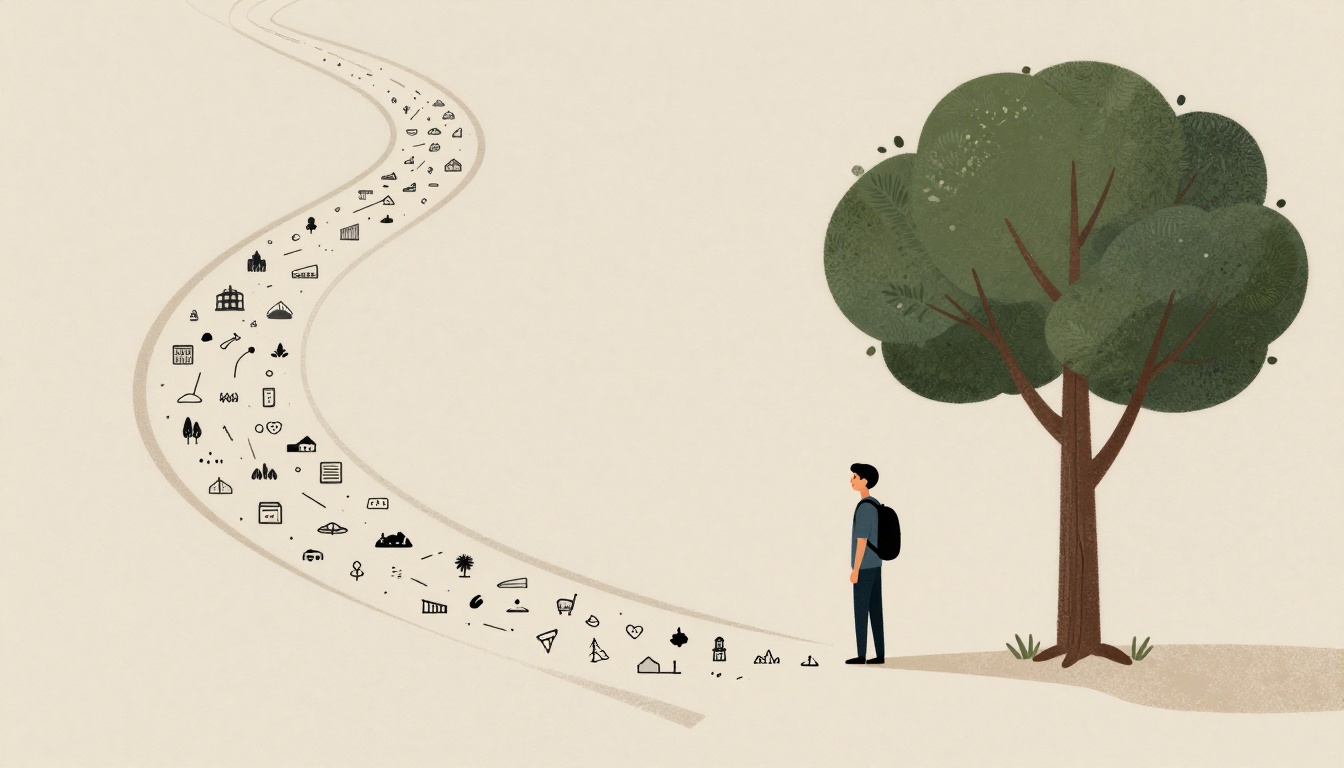
You've saved 47 Instagram-worthy spots, bookmarked a dozen blog recommendations, and pinned every "must-see" from TikTok. Now you're trying to fit them all into a seven-day itinerary. Sound familiar? According to Alex T., founder of GoVoyage Travel, an AI-powered itinerary planner, this is the most common—and most damaging—mistake travelers make.
"I think the biggest thing is trying to do too much."
The problem isn't that those places aren't worth seeing. It's that the planning process itself sets you up for exhaustion. When you're at home, scrolling through vibrant photos and reading glowing reviews, every destination feels essential. But once you're on the ground, hopping from one attraction to the next, the trip starts to feel like a checklist rather than an experience.
Alex admits he's fallen into this trap himself. "People usually start saving places from Instagram, TikTok, Google, blogs, and then try to fit all of them into one trip. I've done this myself too." The excitement of planning is real—it's part of the fun. But that excitement can blind you to the practical realities of travel: travel time, fatigue, and the simple need to pause and absorb where you are.
"It looks exciting when you're planning it, but once you're actually there, it can become tiring pretty quickly."
This is a common phenomenon. Travel experts often call it the "FOMO itinerary"—the fear of missing out that leads you to pack your days with activities. But the result is often the opposite of what you wanted: you see more places but remember fewer details, and you return home more exhausted than relaxed.
The fix, Alex suggests, is to flip your planning process. Instead of starting with a list of places, start with a vision. "I think it's better to first think about what kind of trip you actually want and then choose places around that."
What kind of trip do you want? A culinary deep-dive? A nature retreat? A city break with time for museums and coffee shops? Or a mix, but with a clear priority? Once you define that, you can filter your saved places through that lens. That Instagram-famous waterfall might be stunning, but if your goal is to relax on a beach, it's a distraction, not a highlight.
This approach doesn't mean you can't see amazing things. It means you choose them deliberately. Instead of trying to see everything, you focus on what matters most to you. That might mean spending a whole afternoon in one neighborhood, or skipping a famous landmark to sit in a park and watch the world go by.
"You don't have to see everything."
That's a liberating thought. Travel isn't a competition. It's a personal experience. The best trips are often the ones where you have room to breathe, to wander, and to let unexpected moments happen.
If you're struggling to narrow down your options, tools like Google Maps can help you visualize distances and travel times. Lonely Planet offers curated guides that can give you a sense of what a region is really like, beyond the social media highlights. And TripAdvisor can help you compare experiences, but use it with a critical eye—remember that you're looking for what fits your trip, not what's most popular.
For those who want a more structured approach, GoVoyage Travel uses AI to help you build an itinerary that balances your interests with practical realities. Instead of cramming in every saved spot, the service encourages you to define your travel style first, then suggests a realistic flow that leaves room for spontaneity.
The next time you start planning a trip, take a step back. Ask yourself: What do I really want from this journey? Then let that answer guide your choices. You might find that doing less actually gives you more—more energy, more presence, and more meaningful memories.
After all, the goal isn't to check off a list. It's to come home with stories that matter.