Why Local Service Websites Fail — and What to Rebuild First
Many local service businesses have a website they paid for years ago, one that looked fine at the time and has sat untouched since. The usual advice — spend more, or start from a template — often misses the real problem. Ovidiu M. Matei, who runs Brand New Sight, works on rebuilding sites for local service businesses. In this interview he describes the patterns he sees most often and what owners should decide before they commit to a rebuild.
The site that stopped earning its keep
Asked when the standard advice fails, Ovidiu points to a recurring situation rather than a single client. A tree service, fence or concrete owner paid for a website years ago. It looked fine then. "That was the software technology at the time. If the site brought in calls back then, I'd guess they got fewer and fewer over the years, until the owner decided the website was useless and left it alone."
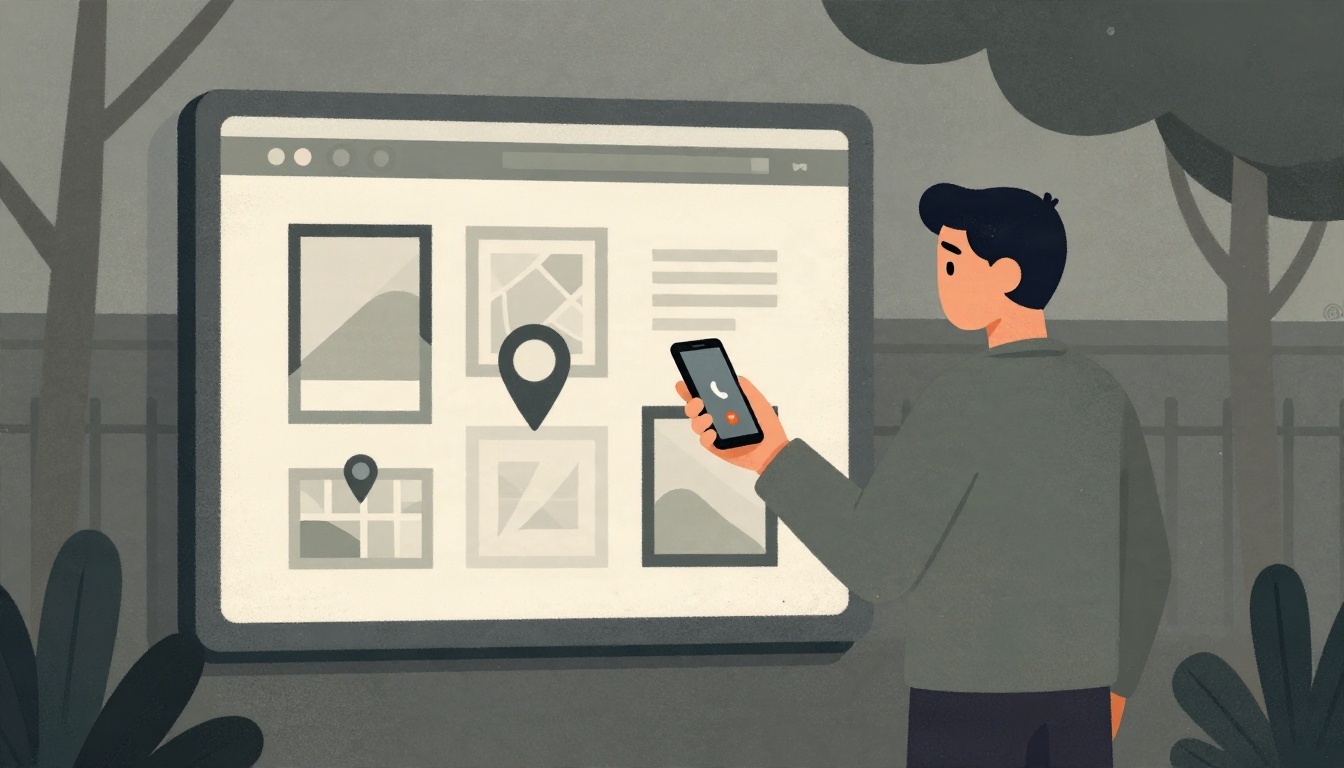
Neither a bigger budget nor a template fits, he says, because "the problem was never the budget or the template." The site says nothing about the jobs the owner actually does. It has no photos of his own work, and the phone number is not one tap away on a phone.
His approach starts from what the owner already has: "his real jobs, his own words and the towns he covers, and then we sprinkle our marketing copy on top of it." The phone number goes at the top, and the site gets one job — to bring in calls.
The questions owners actually ask
Pages that rank for website redesign searches tend to talk about design trends and price tiers. Owners ask different questions. "Is this even worth it? Will this bring me calls? Will people find me on Google and when they ask ChatGPT who to call? I wish I could see it before I pay for it."
That last question matters most, Ovidiu says, because an owner can't judge a website that doesn't exist yet. His answer is to build a 95% finished website first and show it before anyone pays anything. Most guides skip this step, he notes, yet it is the question that decides whether an owner trusts the process.
Three decisions owners make too fast
1. Deciding the website is for nothing. Because nobody has called since it was built, the owner concludes it doesn't matter and leaves it untouched for years. "In their eyes that is true. In reality, it isn't." Ovidiu describes a website as a digital brochure — "think of it like how you dress up when you go out" — showing how carefully you present yourself to the world. Set up properly for Google Maps, Google Search and AI search, he says, it can bring real customers and real jobs.
2. Deciding a friend of a friend can build it. Building a website is not science fiction anymore, Ovidiu says. But building one with taste, clear information hierarchy, strong design, proper security and good visibility on Google and ChatGPT is another story. "A website has one role, which is to turn a visitor into a customer. The nephew of your cousin can build it. But without years of marketing, sales and business experience, he won't know what the site needs to accomplish." The result, he warns, is one more website that does nothing.
3. Thinking the job is done when the site goes live. The digital world changes fast because of AI and the tools it powers. Security has to stay current, and someone has to watch the site and keep improving it. New job photos need a place to go, and owners want to know who visited and who called. Ovidiu frames the ongoing work as small: "about ten minutes a week to message your agency with new photos or changes, and ten minutes a month to read a report on visits and clicks." He believes every owner should do that and every web designer should offer it. "The work doesn't stop when the website is delivered. That is where it starts."
Practical takeaways for owners
- Look at your own site the way a customer would. Does it show the jobs you actually do, with photos of your own work?
- Make the phone number impossible to miss on a phone, and give the site one job: bringing in calls.
- Before you pay anyone, ask to see a nearly finished site. You can't judge a website that doesn't exist yet.
- Treat the website as a digital brochure. It shows how carefully you present your business to the world.
- Don't hand it to a friend of a friend just because it's cheaper. A site has to turn visitors into customers, and that takes marketing and business experience, not just building skills.
- Plan for what happens after launch: security updates, new photos, and a simple monthly report on visits and calls. About ten minutes a week and ten minutes a month is enough.
For owners weighing a rebuild, Ovidiu's answers point to a clear order: fix what the site says and who it serves first, decide who builds it second, and plan for the work after launch before the site ever goes live.