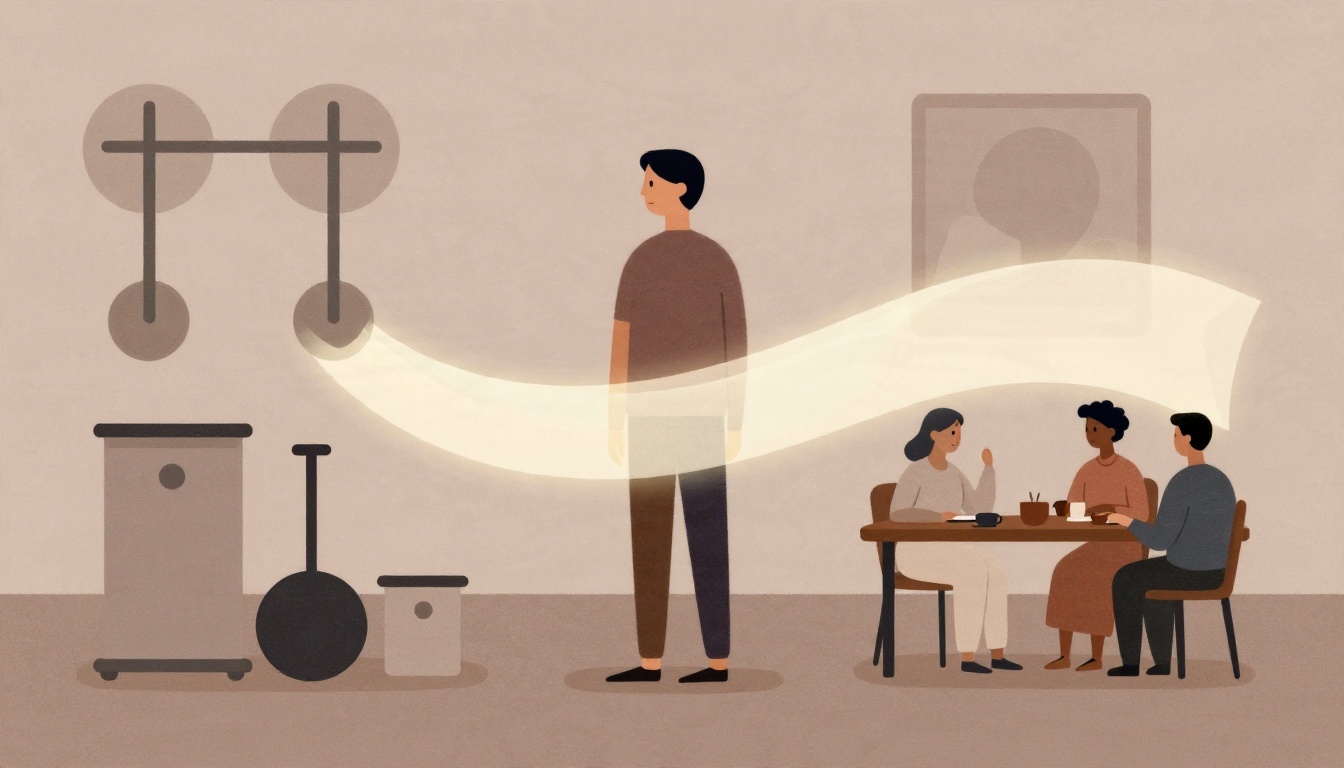
The Problem With "Eat Less, Train More"
Most fat-loss advice sounds simple: eat less, train more. But according to Cody Cavus, who runs Cody Cavus Coaching, that framing leaves out almost everything that determines whether someone actually sticks with a plan.
He said "the biggest issue with that advice is that it makes fat loss sound far more straightforward than it actually is." While he acknowledges that a calorie deficit matters, he argues that telling someone to simply eat less and train more ignores "their lifestyle, commitments or what they actually enjoy doing."
Cavus speaks from experience. He has lost around 45kg naturally, and that process shaped how he now approaches coaching. "One of the biggest things I've learnt is that getting into shape shouldn't mean putting the rest of your life on hold," he said.
That principle has practical consequences. If a client enjoys going out for meals, having a few drinks, or spending weekends with friends, Cavus does not ask them to stop. Instead, he said he would "rather help them build a routine that accommodates their lifestyle, because that's something they're far more likely to maintain long term."
Flexibility Is the Missing Piece
When asked what keeps coming up with people who want to get leaner without giving up their social life, Cavus pointed to a gap in most online advice: flexibility.
"People often feel like they have to choose between getting in shape and enjoying themselves, when realistically the two can work together," he said.
His approach is to zoom out. Rather than treating a single day as a verdict on progress, he encourages clients to look at overall habits. A planned meal out on Saturday, in his view, does not ruin a week of consistent effort. What matters more is "being consistent throughout the week and not feeling guilty for enjoying themselves."
He also flagged something that gets far less attention than training programmes and meal plans: a person's relationship with food. "You can give someone the perfect training programme and nutrition plan, but if they constantly feel restricted or guilty, it's unlikely to be sustainable," he said.
That is why his coaching aims at more than a physical result. He said he wants people to "achieve a physique they're proud of, but also develop habits and confidence that stay with them." For readers comparing approaches, resources on sustainable weight management and building healthy habits offer useful background on why adherence matters as much as the plan itself.
The Cost of Deciding Too Soon
Cavus was also asked what people decide too quickly when they try to get leaner while still going out, and what that costs them.
His answer was direct: people are too quick to decide they have failed. A weekend with more food than usual, perhaps a few drinks, can feel like all their work has been undone. That feeling, he said, often leads to two responses — giving up entirely, or trying to compensate through "drastically reducing their food intake and doing excessive amounts of exercise."
"In reality, one weekend doesn't determine someone's progress, just like one good day doesn't transform their physique," he said.
The real cost is consistency. Cavus described a cycle he sees often: being extremely strict during the week, enjoying the weekend, then feeling like starting over on Monday. That pattern, rather than any single meal, is what stalls progress.
His preference is clear. "I'd much rather someone make steady progress over six months while enjoying their life than follow an overly restrictive plan for three weeks before giving up," he said.
What Sustainable Coaching Looks Like
For Cavus, the measure of good coaching is not just weight lost. It is whether someone can keep their results without letting fitness take over their life.
"Successful coaching isn't just about helping someone lose weight," he said. "It's about giving them the knowledge, structure and confidence to maintain their results without feeling like fitness has to control their entire life."
That perspective reframes the usual trade-off. Instead of asking whether a social life and leanness can coexist, Cavus treats the social life as part of the plan — and argues that building around it is what makes the plan last. Readers who want to understand more about his approach can visit Cody Cavus Coaching.
For anyone who has abandoned a strict plan after one indulgent weekend, his takeaway is simple: the weekend did not undo the work. The decision to treat it as failure did.