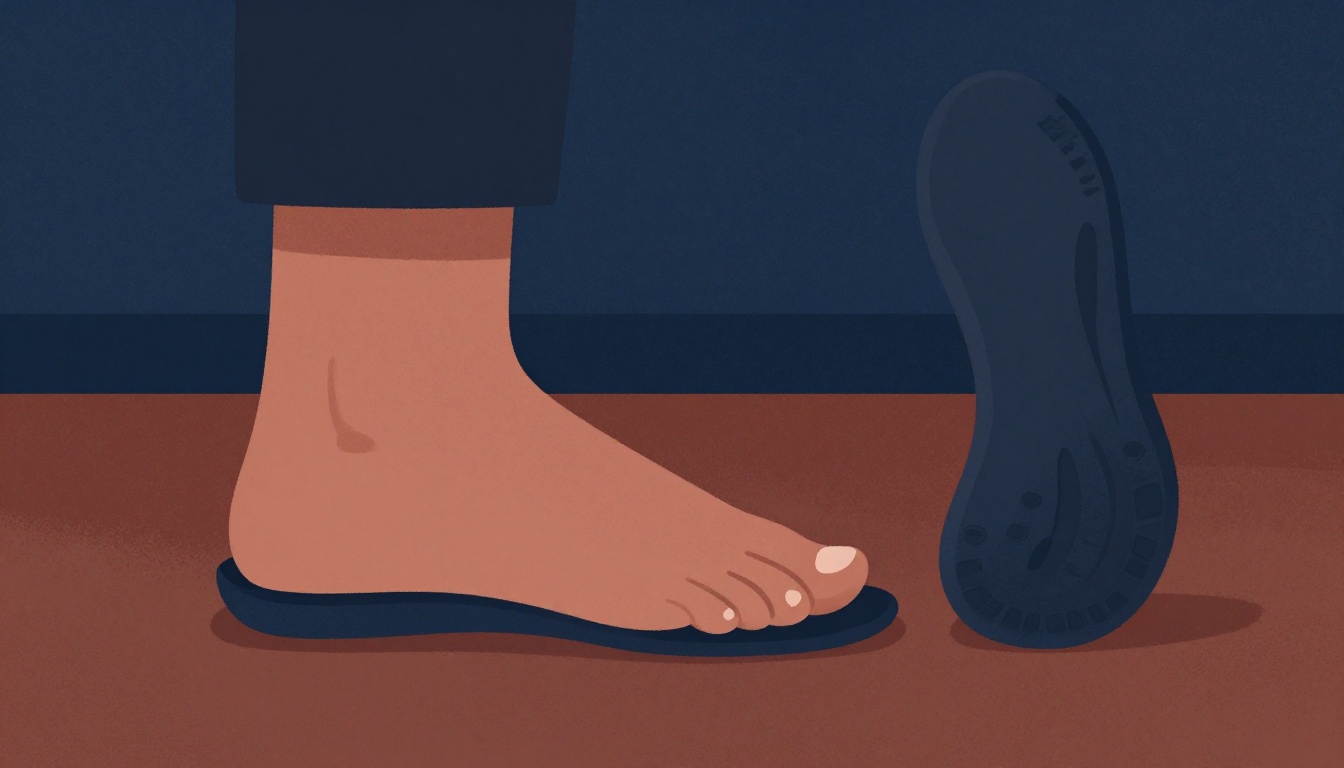
When foot pain strikes, the first instinct for many is to grab a pair of insoles from the nearest drugstore. They’re cheap, convenient, and seem like a harmless quick fix. But according to Spencer Weisbond of Orthotic Solutions, LLC, this common approach is fundamentally flawed. The real problem isn’t just that drugstore insoles are low-quality—it’s that people misunderstand what an insole is supposed to do.
Weisbond puts it bluntly: “people think that an insole from the drugstore is just as good as one they may purchase from a specialty running store. Purchase nothing from the local drugstore!” That’s a strong warning, but it’s rooted in a simple reality: the materials, design, and durability of a $10 insole are nowhere near what your feet need for daily support.
The Price Problem
One of the biggest misconceptions is that price doesn’t matter when it comes to insoles. Weisbond is direct: “When purchasing a good over-the-counter insole. Don’t spend less than $65-$75”. That might sound steep, but consider what goes into a properly engineered insole—firm arch support, shock-absorbing heel cups, and materials that won’t flatten after a few weeks. Cheap insoles are often just foam with a slight curve, offering little to no structural support.
A study from the American Podiatric Medical Association highlights that foot pain is often linked to poor biomechanics, which requires targeted support rather than generic cushioning. Spending a little more on a quality over-the-counter insole can make a significant difference in comfort and long-term foot health.
The Arch Support Myth
Another common error is thinking that any insole with a bump in the middle provides arch support. Weisbond says, “You certainly get what you pay for. Arch support should feel like exactly that!” In other words, real arch support is firm and noticeable—it cradles your foot and distributes pressure evenly. If an insole feels like a soft pillow, it’s not supporting your arch; it’s just cushioning your heel.
This distinction matters because inadequate support can lead to overpronation, plantar fasciitis, and even knee or hip pain. According to the Mayo Clinic, proper arch support helps align your lower body and reduce strain on connective tissues. A cheap insole that collapses under your weight won’t provide that alignment.
What to Look For Instead
If you’re shopping for over-the-counter insoles, skip the drugstore aisle and head to a specialty running store or a podiatrist’s office. Look for insoles that:
- Have a rigid or semi-rigid arch that doesn’t compress easily.
- Are made from durable materials like polypropylene or high-density foam.
- Fit your specific foot type (flat, neutral, or high arch).
Weisbond’s advice is clear: invest in your feet. A $70 insole that lasts a year is a better value than a $10 insole that needs replacing every month. And if you’re dealing with chronic pain, a custom orthotic from a professional like Orthotic Solutions, LLC might be worth the extra cost.
The Bottom Line
Most people get off-the-shelf insoles wrong because they treat them as a disposable accessory rather than a piece of supportive footwear technology. The next time you’re tempted to grab a cheap pair, remember Weisbond’s warning: you get what you pay for. Your feet carry you all day—they deserve better than a drugstore afterthought.
For more guidance on foot health and custom orthotics, check out resources from the American Orthopaedic Foot & Ankle Society or consult a specialist near you.