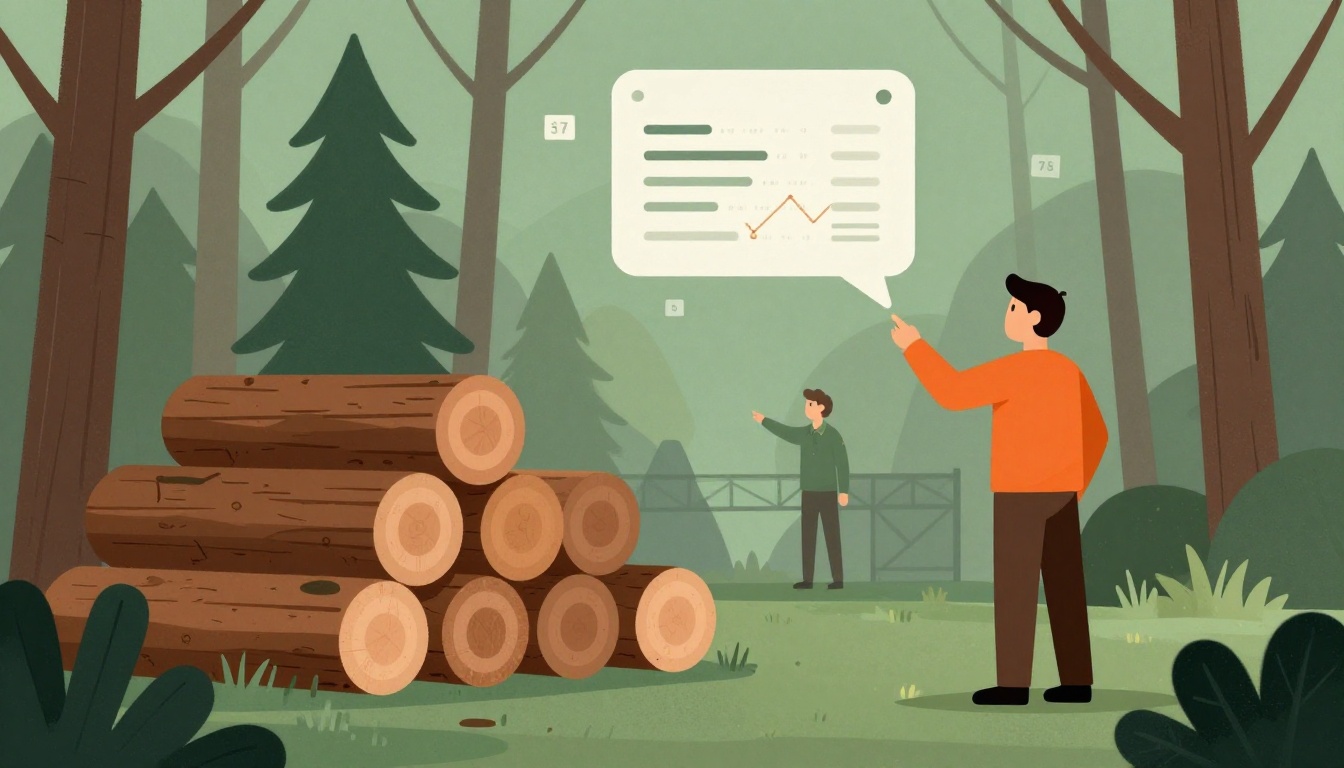
When the time comes to harvest timber, many landowners in the Southern Piedmont feel a mix of excitement and apprehension. The trees have matured, the market seems decent, and the thought of a substantial check is appealing. But according to Goode Forestry, a timberland management firm serving the region, the most common and costly mistake is a matter of confidence.
“Thinking they have enough knowledge and information to believe that they can handle the sale themselves.”
That single misconception, rooted in good intentions, often leads to lower revenue and avoidable headaches. The reality is that timber is not a commodity you can simply list online and sell at a fixed price. It’s a site-specific, condition-dependent asset, and its value is heavily influenced by factors that change weekly—sometimes daily.
The Knowledge Gap
Landowners typically know their property well—its boundaries, its history, its wildlife. But that familiarity does not translate into expertise in timber markets. A consulting forester brings something different: a real-time understanding of stumpage prices and how they vary by region, species, and product class. They know whether sawtimber is fetching a premium or whether pulpwood is barely covering harvest costs. They also understand the local logging climate—who is actively cutting, which crews are reliable, and what equipment is available. This is not information you can glean from a quick internet search or a neighbor’s anecdote.
The Price of Going It Alone
When a landowner tries to sell timber directly to a logger or mill, they often receive a single offer—take it or leave it. That offer is typically based on the buyer’s own appraisal, which is naturally skewed toward their profit margin. Without competitive bidding, there is no pressure to offer top dollar. A consulting forester, by contrast, prepares a detailed timber inventory, marks the sale area, and then solicits bids from multiple qualified buyers. This process creates competition, and competition drives prices up. In the majority of cases, the forester can get the landowner more for their timber—often enough to more than cover the consulting fee.
Beyond the Bottom Line
But the value of a consulting forester extends beyond the final check. Timber sales involve contracts, liability, and environmental regulations. A poorly written contract can leave you exposed to damage to residual trees, soil erosion, or unpaid stumpage. A forester ensures that the contract includes provisions for best management practices (BMPs), cleanup, and payment schedules. They also mark the timber to protect sensitive areas, stream buffers, and future crop trees. This oversight protects your land’s long-term productivity and your legal standing.
A Local Perspective
In the Southern Piedmont, where the terrain is rolling and soils vary, local knowledge is especially critical. A forester who works in this region knows which loggers can handle steep slopes without causing erosion, which mills are currently accepting certain species, and how to navigate the quirks of local markets. They also have relationships built over years—relationships that can smooth negotiations and ensure the job is done right.
The Bottom Line
If you are considering a timber sale, the most important step is to recognize what you don’t know. A consulting forester is not an unnecessary expense; they are an investment that typically pays for itself. As Goode Forestry puts it, the mistake is thinking you can handle it alone. The smarter move is to bring in a professional who does this every day. To learn more about how a consulting forester can help you maximize your timber’s value, visit Goode Forestry.
Before you sign any contract or accept any offer, ask yourself: Is my knowledge of the market and the logging climate truly enough? In most cases, the answer is no. And that’s exactly why the professionals exist.