When the Usual Advice Stops Working
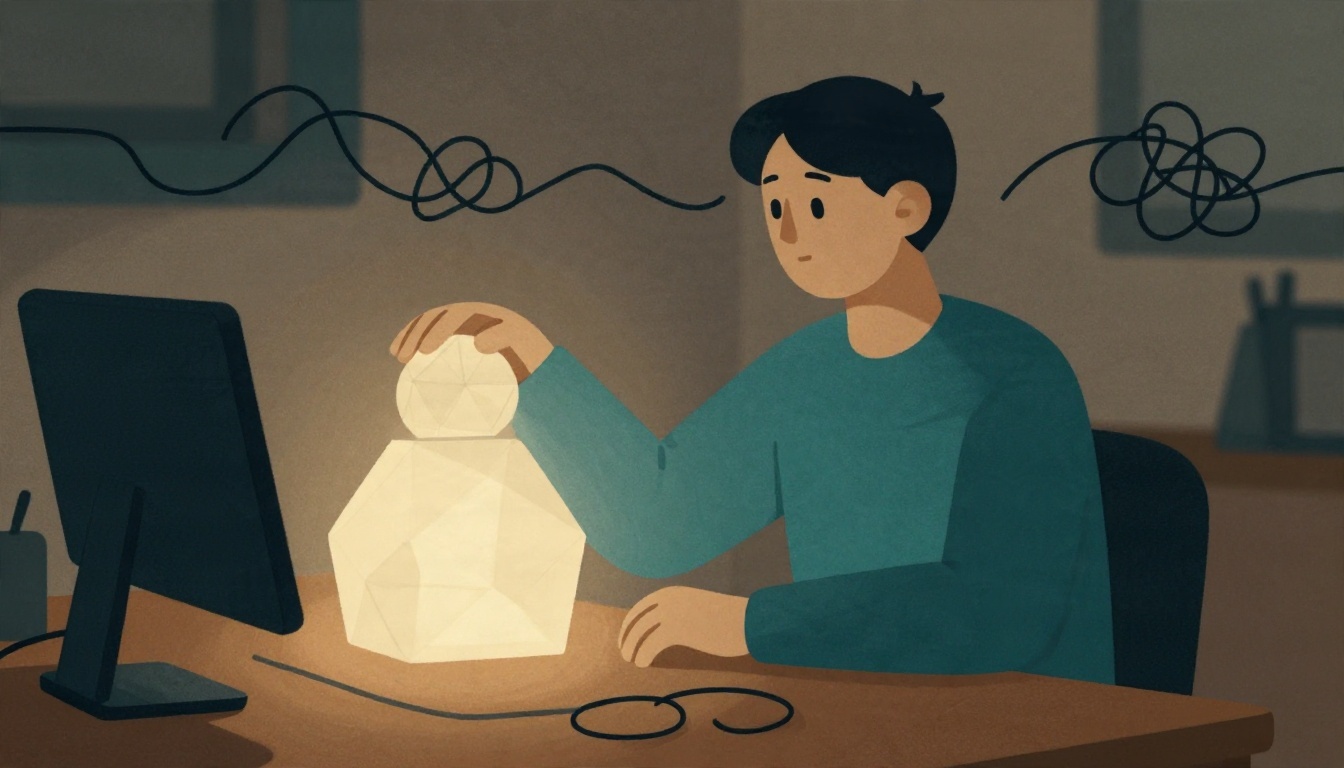
Most people who struggle with anxiety have read the articles. They know about deep breathing, thought challenging, and reframing. The gap, according to Amara Prince, a certified and accredited CBT life coach behind Vibin' High with MARA AI, is between knowing and doing.
"It's one thing to know the strategies that can help manage anxiety, and it's an entirely different thing to be in the middle of an anxiety episode and actually be able to use them," she said. When the fight-or-flight response takes over, she explained, "we might know we should take deep breaths, challenge our thoughts, or reframe a situation, but knowing what to do and being able to do it in that moment are two very different things."
That gap is where she sees people arriving after the standard advice has stopped helping. What they need in a difficult moment, she argues, is not another article but support in real time: help slowing things down, breaking the experience into manageable steps, and being guided through a coping strategy suited to that moment. Therapy and coaching appointments are scheduled; anxiety is not. "You can't always wait until your next coaching or therapy appointment to work through something that's happening right now," she said.
Her platform, MARA AI, is designed around that premise. It offers interactive, real-time guidance using CBT-informed principles and evidence-based mindfulness strategies, and can suggest a coping exercise and walk a user through it step by step. The stated goal is cumulative as well as immediate: with regular use, she says, people have more opportunities to recognize behavioral patterns and develop healthier responses to stress.
What People Bring Up First
Asked what comes up in a first conversation with MARA AI that online advice never covered, Prince pointed to something more basic than technique. "Many people come to Vibin' High with Mara Ai with feelings they've struggled to put into words," she said. They may feel overwhelmed, stuck in a relationship pattern, disconnected from themselves, or unsure of their next steps.
Often, she said, what is needed is not more information but "a safe, private space where they can be completely honest about what they're experiencing without worrying about judgment, expectations, or how their vulnerability might be perceived by others." She noted this can matter especially for public figures who fear personal struggles becoming headlines.
The Misconceptions About AI Coaching
Prince is direct about the skepticism she encounters. "I think there are still a lot of misconceptions about AI in general," she said. "Many people don't fully understand what it is, how to use it, or how it can benefit them." A specific misconception among the curious is that AI coaching is "simply a chatbot giving generic advice or repeating information you could find through a Google search rather than participating in a connective and meaningful conversation."
She also draws a line between general-purpose AI tools and applications built for emotional wellness. General platforms, she said, "aren't necessarily designed to provide a structured coaching or emotional wellness experience needed," and people can leave with more information but still feel stuck.
Her practical advice for anyone evaluating an AI life coach is to look past the label. Consider how the app was developed, who developed it, what principles inform its programming, and what the experience actually provides. She suggests asking whether it was built by someone with professional coaching, psychology, or relevant wellness training; whether it guides conversations with thoughtful prompts and validation; whether it offers interactive coping strategies to do in the moment; and whether it supports goal setting and turning intentions into action steps.
Access as the Point
Prince frames the broader mission in terms of access. She said the platform is committed to keeping its subscription rate as low as possible and offering a free subscription to anyone with a chronic illness who cannot afford it. "For the first time in history, we have the opportunity to make meaningful personal development and emotional wellness support accessible to all people," she said.
Readers comparing options can learn more about CBT-informed coaching and digital mental health tools before deciding what fits.
Prince's own summary of the goal is modest in scope and large in ambition: "one person, one conversation, and one positive change at a time."