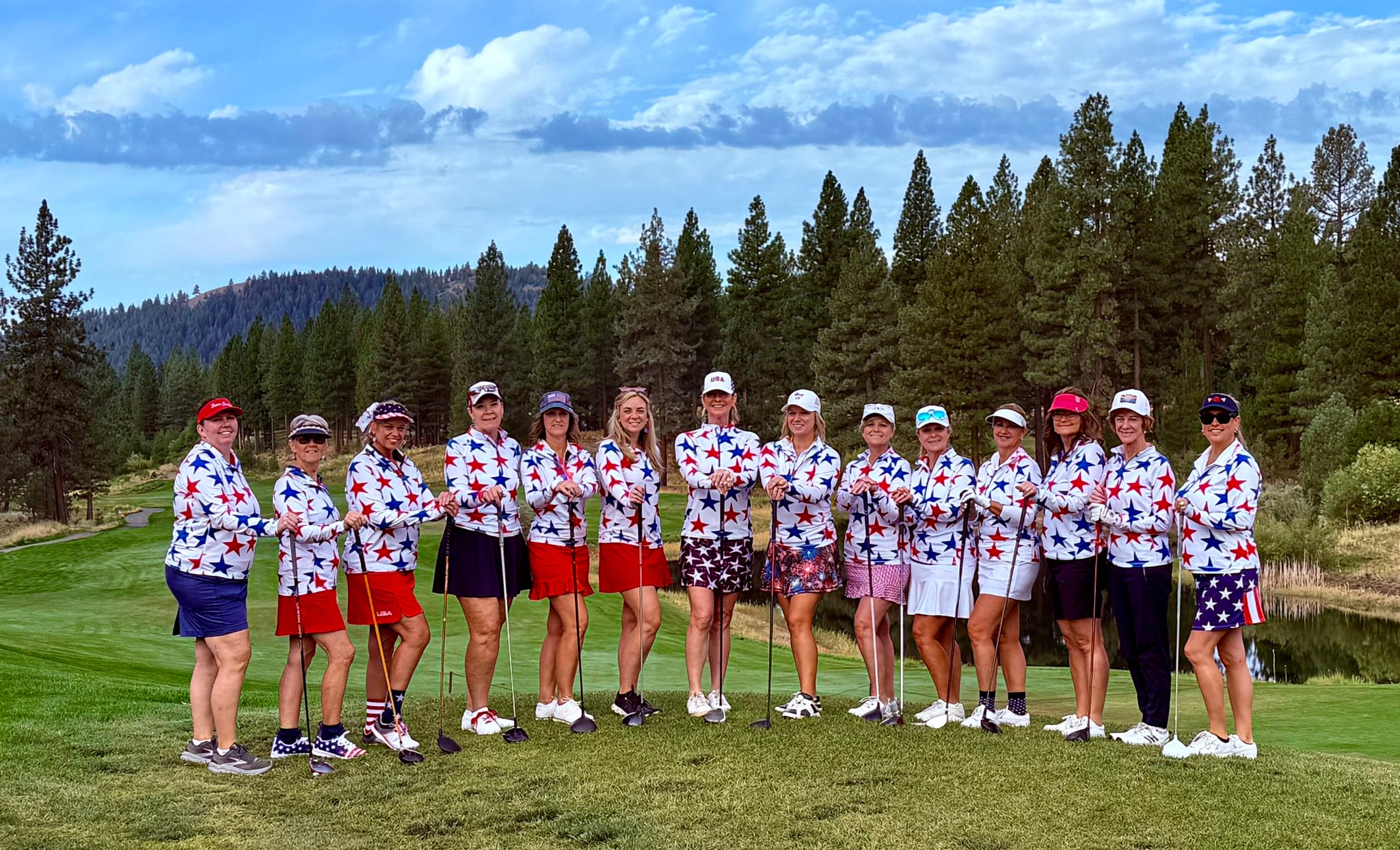
The golf industry has long assumed that women want the same things from the game as men: lower scores, longer drives, and a competitive edge. But Donna Taylor, founder of Golf Party Live, has spent years building a community for women golfers and says the conventional wisdom misses the mark.
When asked what most people get wrong about what women actually want from golf, Taylor is direct: "Women want connection. They want friendships, community, and people they feel comfortable playing with. That is 100% what I’ve seen through Golf Party Live. Yes, they want to learn the game and become better golfers, but what keeps them coming back is the relationships they build along the way. Golf gives women an incredible opportunity to connect, and I think that piece is often underestimated."
This insight challenges the industry's heavy focus on swing mechanics and equipment fitting. While those elements matter, they aren't the primary driver for many women. A 2023 report from the National Golf Foundation found that social connection is a top motivator for women golfers, yet most marketing still emphasizes performance. Taylor's experience suggests that creating a welcoming, social environment is the real key to retention.
For golf facilities and instructors, the implication is clear: prioritize community-building over pure instruction. That might mean organizing group clinics where players can chat as much as they practice, or hosting social events that pair golf with networking. It also means being intentional about creating a comfortable atmosphere—one where women don't feel judged for their skill level or pace of play.
Taylor's approach at Golf Party Live is built around this philosophy. Instead of a traditional lesson-only model, she blends learning with social gatherings, making every event feel like a party with a purpose. The result is a loyal following of women who show up not just to improve their game, but to see their friends.
This isn't to say women don't care about getting better. They do. But the path to improvement is often paved with camaraderie. When women feel they belong, they're more likely to practice, play, and stick with the game long-term. As Taylor notes, the connection piece is often underestimated—and that's a missed opportunity for the entire industry.
For women considering taking up golf, the takeaway is simple: you don't have to choose between learning and connecting. Seek out programs that prioritize both. For industry leaders, the message is equally clear: if you build a community, women will come—and they'll stay.
Golf Party Live is a prime example of how this model works in practice. By focusing on relationships first, Taylor has created a space where women feel empowered to learn, laugh, and grow together. It's a reminder that golf is as much a social sport as it is a technical one—and that's exactly what many women are looking for.
As the game continues to evolve, understanding this fundamental desire for connection will be crucial. The women who are flocking to golf aren't just looking for a hobby; they're looking for a tribe. And those who provide it will find themselves at the heart of a thriving community.