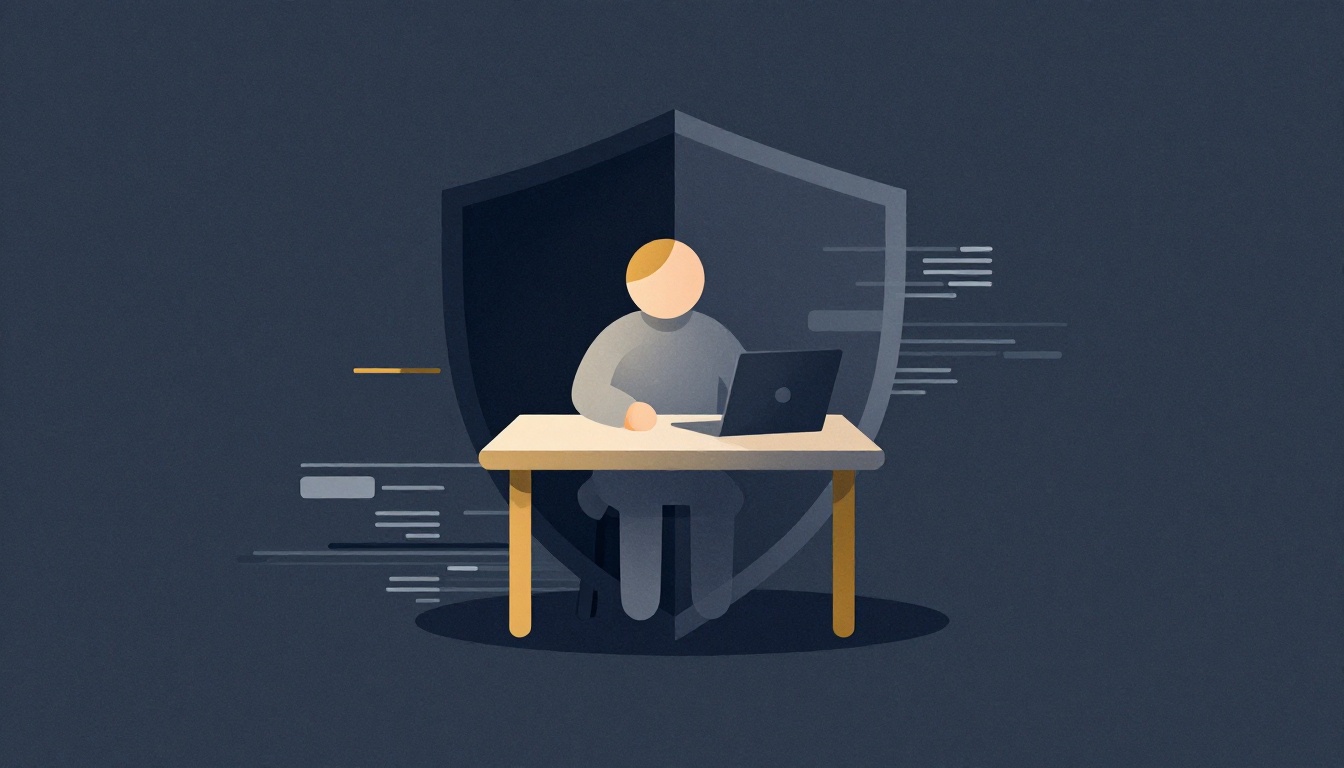
When people imagine software built for the U.S. Intelligence Community (IC), they often picture something out of a spy thriller—sleek dashboards, predictive algorithms, and interfaces that feel like science fiction. The reality, according to experts at Shockwave Software, a firm that builds custom software and cloud infrastructure for the IC, is far more pragmatic and, in many ways, more challenging.
In a recent Q&A, the team at Shockwave Software addressed a common misconception: that IC software should prioritize user experience in the same way commercial products do. The answer was a clear no. "In the intelligence community security is a layered system that doesn't have a practical commercial counterpart. Security is often paranoid and complicated. User experience is not emphasized."
This isn't a failure of design or engineering. It's a fundamental difference in priorities. Commercial software exists to attract and retain users, often with the goal of monetization. As the team put it, "Commercial software cares more about happy users that are on a trajectory to breach a paywall." In contrast, the IC's primary concern is mission effectiveness. Analysts and operators aren't choosing their tools; they're assigned them based on operational needs. The goal isn't to delight a user into upgrading—it's to provide accurate, reliable, and secure data that supports critical decisions.
This distinction has profound implications for how software is built, tested, and deployed in the IC. Let's break down what this actually means in practice.
Security as a Non-Negotiable Foundation
In the commercial world, security is often a feature—something that can be balanced against convenience. For the IC, security is the entire architecture. Every layer, from the network to the application to the data, is designed with the assumption that adversaries are actively trying to break in. This means multi-factor authentication, strict access controls, and constant monitoring are not optional add-ons; they are the core of the system.
This "paranoid" approach can make software feel cumbersome to users. But that's an acceptable trade-off when the alternative is a potential national security breach. For developers, this means building with a security-first mindset from day one, not as an afterthought.
The Role of User Experience
Does this mean user experience is irrelevant? Not at all. But it's redefined. Instead of optimizing for "delight" or "engagement," UX in the IC focuses on clarity and efficiency. Can an analyst quickly find the data they need? Can they trust the accuracy of what they see? Can they complete a task without unnecessary friction? These are the questions that matter.
As the Shockwave team noted, "Intelligence communities care more about software that makes their job easier or more accurate." This is a user-centric approach, but it's grounded in mission outcomes rather than commercial metrics. A tool that saves an analyst ten minutes a day or reduces the chance of misinterpretation is a success, even if it doesn't have a polished, consumer-grade interface.
What This Means for Developers and Agencies
For developers entering this space, the learning curve is steep. You have to unlearn many commercial instincts. You can't rely on A/B testing to drive feature adoption. You can't prioritize a slick onboarding flow over robust audit trails. Instead, you must work closely with end-users to understand their workflows and pain points, then design solutions that fit within strict security constraints.
For agencies, the takeaway is to evaluate software not on how it looks in a demo, but on how it performs under real-world conditions. Does it integrate with existing systems? Does it handle high-stakes, high-volume data without failure? Does it make the user's job more accurate? These are the metrics that matter.
The Bottom Line
The intelligence community doesn't need consumer-grade polish. It needs software that is secure, reliable, and mission-focused. As Shockwave Software demonstrates, building for the IC is a specialized discipline that prioritizes substance over style. The next time you see a sleek demo of a "spy tool," remember that the real work is happening in the layers underneath—where security is paramount, and user experience is measured by mission success, not satisfaction scores.
For those interested in the technical and strategic challenges of this field, resources like the National Security Agency's Cybersecurity Collaboration Center and the Intelligence Community's Information Technology Enterprise offer deeper insights into how the IC approaches technology. And for a closer look at how one company navigates these complexities, Shockwave Software's careers page provides a window into the kind of work that defines this niche.
In the end, the biggest misconception is that IC software should feel like a consumer app. It shouldn't. It should feel like a trusted tool—one that works when it matters most, even if it doesn't win any design awards.