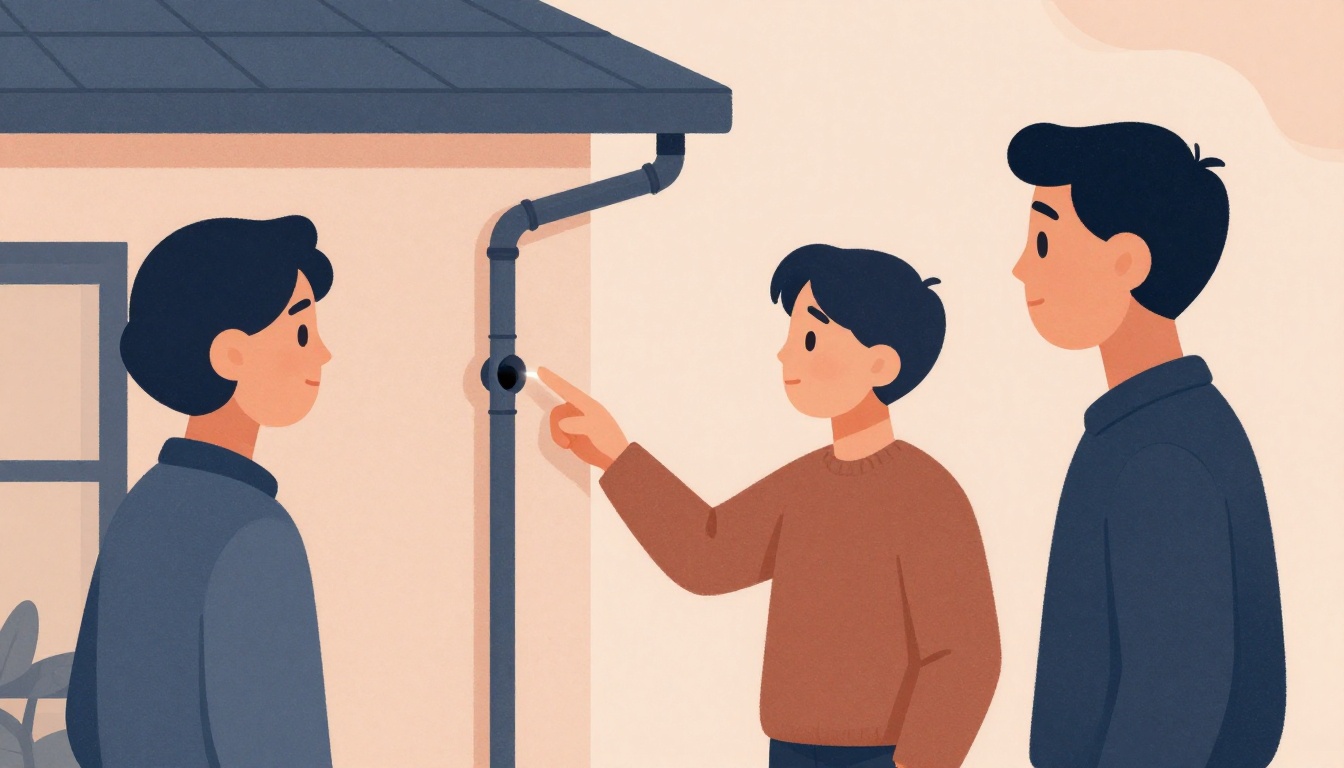
When you walk through a home for sale, it’s natural to focus on what you can see: fresh paint, new countertops, or that charming fireplace. But according to a home inspector with a decade of plumbing experience, most buyers miss the things that are hidden behind walls and under floors—especially the aging infrastructure that could become a major expense down the road.
“Most people are terrified of large underlying issues. I often think a lot of smaller items or things that may not be problems currently, but can lead to some are often overlooked.”
This insight comes from the team at NW Home Inspections, who serve the Treasure Valley area of Idaho. Their inspector spent 10 years as a plumber before transitioning to inspections, holding a journeyman license in both Washington and Idaho. That background gives them a unique lens on what buyers should be paying attention to during a showing.
The Hidden Problem: Old Piping
In many homes across the Treasure Valley, the plumbing system is older and may include materials that are no longer standard. Cast iron and polybutylene pipes are common in houses built in certain decades. Cast iron can corrode from the inside, leading to reduced water flow and eventual leaks. Polybutylene, used from the late 1970s to the mid-1990s, is known for becoming brittle and failing without warning.
“Plenty of houses in the valley have older piping with cast, iron or polybutylene.”
During a typical inspection, the inspector will note the material of the piping. If there are no active leaks, that’s a good sign. But the inspector points out that this is often where the thought process stops.
“Oftentimes we will go through inspections and there will be no leaks which is always a good thing. Of course we will always notate the material of the piping and I often see if there are no issues with said piping. It is not given another thought.”
That lack of follow-through can be a costly mistake. A pipe that looks fine today may be nearing the end of its lifespan. Replacing a main water line or repiping a house can cost thousands of dollars, and it’s not something you want to discover a year after moving in.
The Same Blind Spot Applies to Other Systems
The inspector notes that this pattern isn’t limited to plumbing. HVAC systems, electrical panels, and other major components often get a pass if they’re currently working.
“Same goes for HVAC, electrical and quite a few other things. If there is not an immediate problem, it is not given anymore thoughts.”
But age and condition matter. An HVAC system that’s 15 years old might still blow cold air, but it could be on its last legs. An electrical panel that’s outdated may not handle the load of modern appliances. These are the kinds of issues that a thorough inspection should flag—not just as current problems, but as potential future ones.
What Buyers Should Do Differently
So what can you do as a buyer? First, don’t let the absence of visible problems lull you into complacency. Ask your inspector about the age and condition of major systems, and request a detailed report that notes not just what’s broken, but what’s at risk.
Second, consider the cost of future replacements when making an offer. If the home has older piping or an aging furnace, you might negotiate a lower price or ask for a credit to cover future repairs.
Third, use the inspection as a learning tool. A good inspector will explain the implications of what they find, not just list defects. For example, if they note cast iron pipes, ask about the typical lifespan and what signs of trouble to watch for.
Finally, remember that a home inspection is not a warranty. It’s a snapshot of the home’s condition at a specific point in time. The goal is to identify issues that could become problems, so you can make an informed decision.
In the Treasure Valley, where many homes have been around for decades, this advice is especially relevant. The next time you walk through a house, take a moment to look beyond the surface. Ask about the age of the water heater, the type of wiring, and the material of the pipes. It might not be as exciting as imagining your furniture in the living room, but it could save you from a major headache later.
For a thorough inspection that covers both the obvious and the overlooked, consider reaching out to NW Home Inspections for a professional assessment of your potential new home.