The Part Nobody Plans For
When a company books a Latin dance workshop for a team-building day, the schedule usually covers the room, the time slot, and the instructor. What it rarely accounts for is the emotional shift that happens once the music starts.
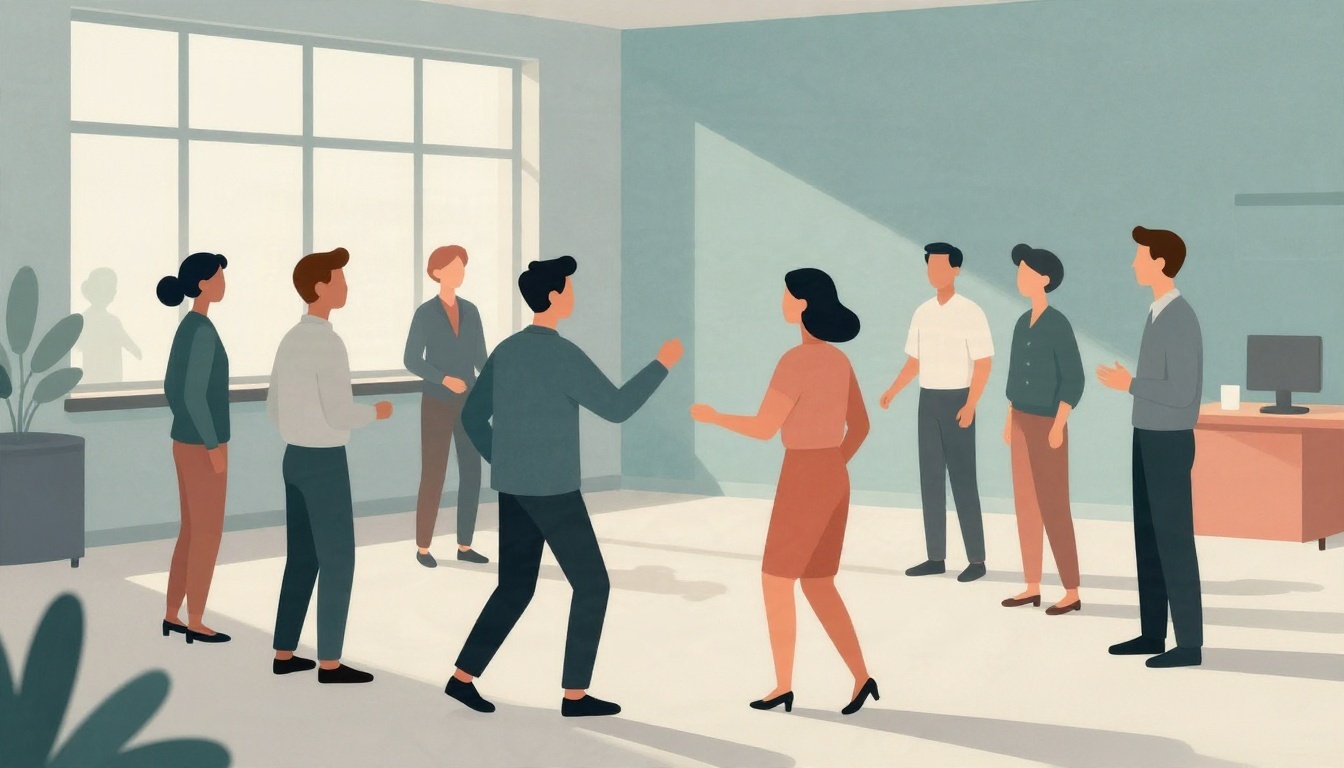
Molly Hagman, who runs corporate Latin dance entertainment and instruction in NYC, said the surprise is how fast the room changes. "At first, there's usually a mix of excitement and hesitation, especially among people who have never danced before. But once the music starts and everyone gets moving, those initial nerves tend to disappear."
That shift is the actual team-building moment, and it tends to arrive ahead of any lesson plan. "Colleagues who might not normally interact much are suddenly laughing, encouraging each other, and connecting in a completely different way," she said. "I think that's something companies don't always anticipate, just how naturally dance can bring people together."
For planners, the takeaway is straightforward: the value of a workshop is social, not technical. Building the day around that reality matters more than squeezing in choreography.
The Concern Planners Rarely Say Out Loud
Search for team-building activities in New York and you will find plenty of listings. What you will not find much of is the question that quietly sits behind many corporate dance bookings: will our people actually participate?
"Companies sometimes worry about whether their employees will actually participate, especially when they have a group with different ages, personalities, backgrounds, and dance experience," Hagman said.
Her answer is that accessibility is a design problem, not a participant problem. "You don't need any previous dance experience or even a dance partner to participate and have a great time."
That means the workshop has to be adapted to the group in front of it. "A successful corporate workshop isn't necessarily about teaching complicated choreography. It's about creating an inclusive, comfortable environment where everyone feels encouraged to participate at their own level."
She also pointed to a factor that rarely appears in planning documents: the instructor. "Making people feel comfortable, keeping things engaging, and reading the room are just as important as teaching the actual dance steps." For anyone comparing providers, that is a useful filter. Ask how the session is structured for mixed experience levels, and ask who will actually be in the room leading it.
Performance or Workshop? The Decision That Gets Rushed
For Hispanic Heritage Month events and holiday parties, the format question often comes first. Hagman suggests that order is backwards.
"People sometimes focus on choosing the entertainment format before really considering what kind of experience they want their guests to have," she said.
Each format does something different. "A professional Latin dance performance is a wonderful way to bring excitement, artistry, and cultural appreciation to an event. It creates a memorable moment for everyone to enjoy together." A workshop, by contrast, "invites guests to become part of the experience themselves. It's interactive, social, and especially great for team building because people are actively participating rather than just watching."
And the choice is not necessarily binary. "Combining a professional performance with an interactive dance experience can be a fantastic option. Guests get to enjoy the excitement of a live show and then have the opportunity to get up, learn a few steps, and dance themselves."
Her rule for settling the question is to start with purpose rather than format. "The best choice depends on the atmosphere the company wants to create, the audience, and the overall purpose of the event."
Practical Takeaways for Planners
- Plan for the social shift, not just the lesson. The bonding happens when people start moving, so protect time for that rather than overloading the agenda with instruction.
- Assume a mixed room. No experience and no partner should be a baseline requirement, not a special accommodation.
- Judge the instructor, not just the routine. Comfort, engagement, and reading the room are part of the deliverable.
- Decide the experience before the format. A performance, a workshop, or a combination of both should follow from what the event is for.
For companies weighing a Latin dance session against other corporate team-building options, Hagman's answers point to a consistent theme: the details that decide whether the event works are the ones that rarely make it onto the booking form.