What a Tow Operator Wants You to Know Before You Call for Help
When your car is in a ditch or won't start, the first call is usually to a tow company. But according to Galen Weaver of Weaver's Towing & Recovery, the information you give in that first minute can shape how quickly help arrives and what it costs.
We asked Weaver three practical questions about the towing side of the business. His answers are below, lightly edited for clarity.
The Most Common Mistake: Not Knowing Where You Are
Weaver was direct when asked what callers most often get wrong. The answer, he said, is the "exact location of broken down vehicle."
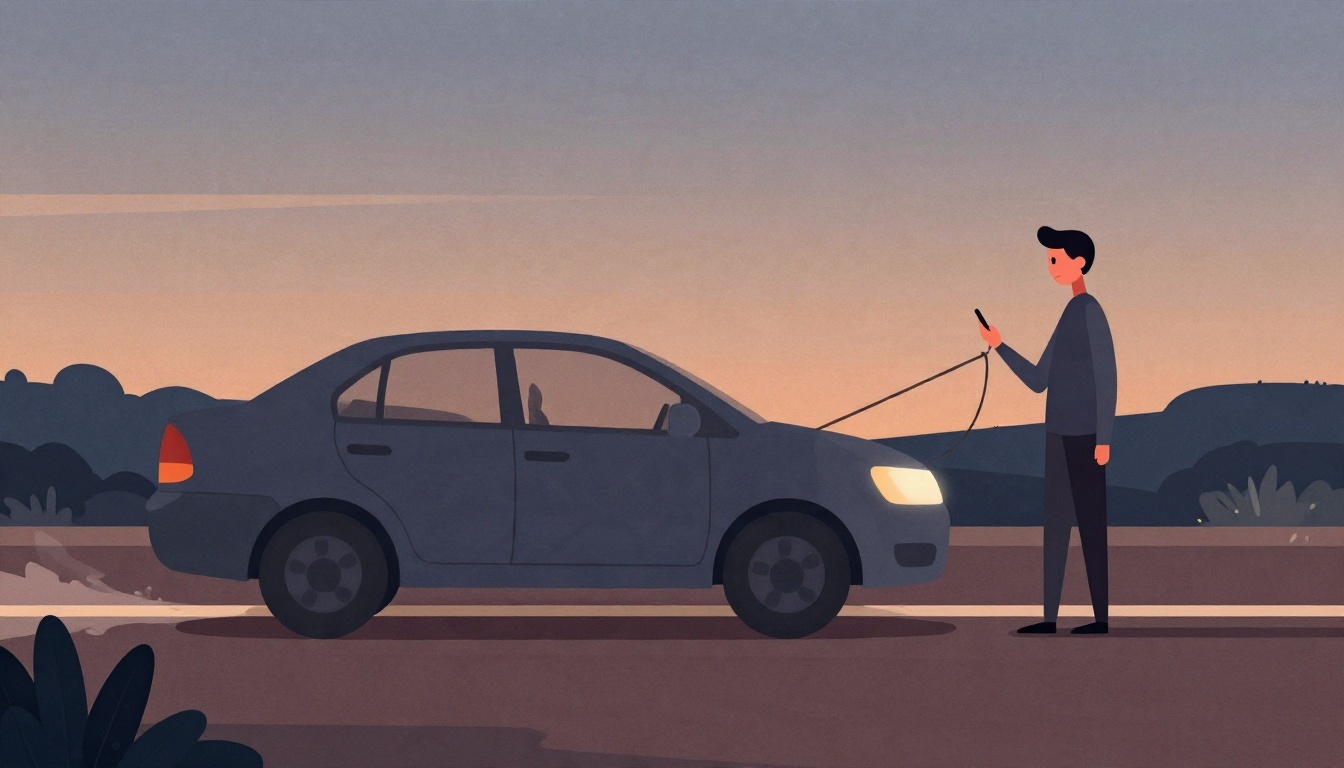
It sounds simple, but it is the detail that matters most. A general description like "on the highway" or "near the lake" can leave a driver searching. A precise location — a mile marker, an exit number, a cross street, or a dropped pin — gets the truck moving in the right direction without a back-and-forth.
For readers who drive rural routes or unfamiliar roads, this is a small habit worth building. Before you call, check the nearest address or landmark and have it ready. The National Highway Traffic Safety Administration offers general guidance on roadside safety, including what to do while waiting for assistance.
What a Ditch Recovery Typically Costs
On price, Weaver gave a straightforward figure. A winch out, he said, typically runs "around $195.00."
That number is useful context for anyone who has never had to call for a recovery. It is also a reminder that the cost of a tow depends on the service — a simple winch out is different from a long-distance tow or a heavy-duty recovery. Readers should expect variation based on distance, vehicle type, and conditions, but Weaver's figure gives a realistic starting point for a common situation.
When an Owner Says 'Just Keep It'
One of the more complicated situations in towing is when a vehicle owner decides to walk away. We asked Weaver what usually happens after someone tells him to keep the car.
The answer depends on paperwork. If the owner can provide a title, Weaver said, "typically the car goes to salvage." If there is no title, the process changes. In that case, his company must "File Abandoned vehicle report thru police department" — which, he noted, "causes a fine & warrant for vehicle owner" — and then "the Police have a Salvor pick up the vehicle & often then goes for salvage."
In other words, abandoning a vehicle without a title does not make the problem disappear. It creates a paper trail that can follow the owner. For readers facing a vehicle they no longer want, the practical takeaway is to locate the title before making that decision. State DMV offices, such as those listed through the American Association of Motor Vehicle Administrators, can explain title replacement and abandonment rules in your area.
Practical Takeaways for Drivers
Weaver's answers point to a few simple habits that can make a stressful situation easier:
- Know your exact location. A mile marker, exit, or cross street saves time.
- Expect a baseline cost. A winch out is typically around $195, though final bills vary.
- Keep your title accessible. If you plan to surrender a vehicle, having the title avoids a police report and potential fines.
None of this is complicated, but it is the kind of detail that only becomes obvious when you are standing on the shoulder waiting for a truck. Weaver's perspective comes from the dispatch side of the call, where clear information is the difference between a quick recovery and a long afternoon.
For drivers who want to understand more about how towing and recovery works, the Towing and Recovery Association of America provides industry resources and consumer information.