When a band books time at a professional studio, they often expect the room, the microphones, and the engineer to magically transform their music into a polished, radio-ready product. But according to the team at Oregon Sound Recording, a long-established studio in southern Oregon, that expectation misses the point entirely.
“A lot of people think that anything done in a professional recording studio will sound great,” they say. “While nice studios and talented engineers can certainly refine and enhance what they’re capturing, great only happens when the performer brings it into the studio with them.”
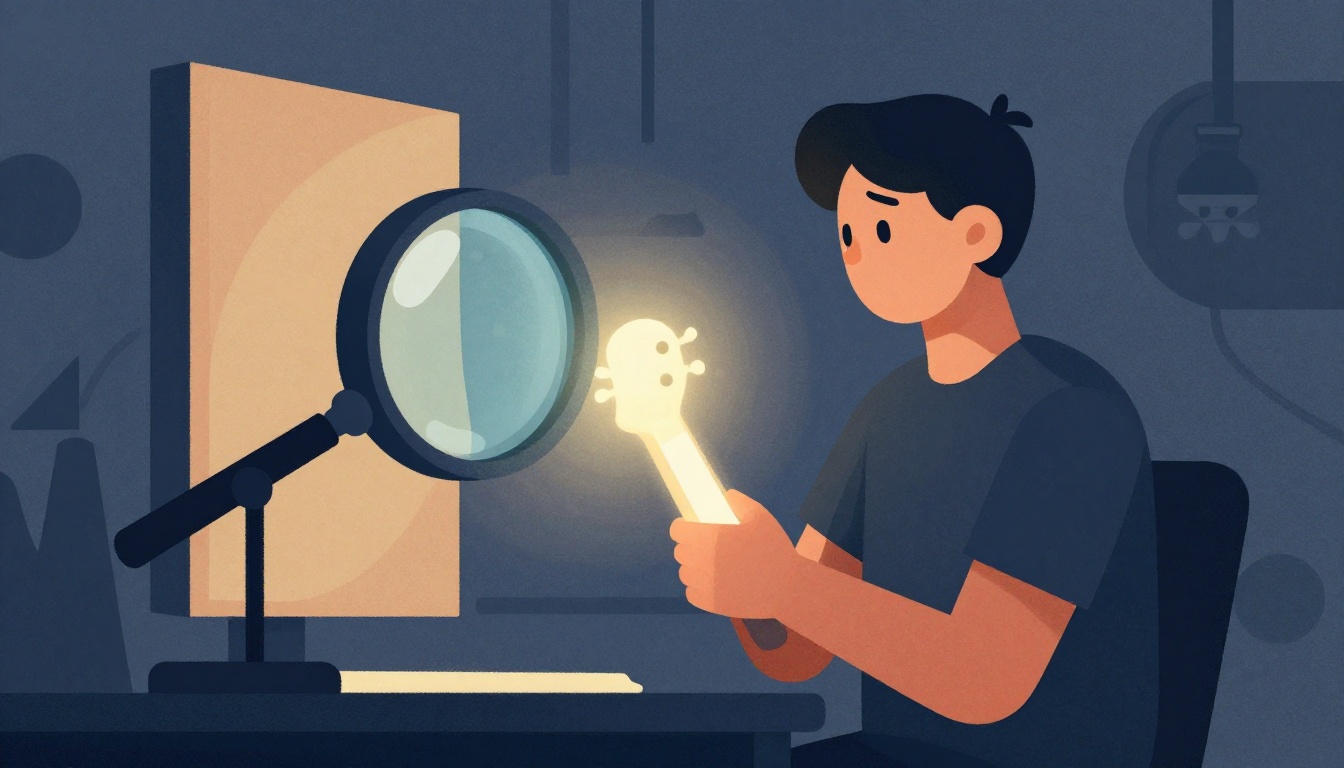
That distinction—between capturing and creating—is the core of what a studio actually does. A studio is not a magic box. It is a tool for documentation, a magnifying glass that reveals what is already there. If the performance is weak, the recording will be weak, no matter how expensive the console or how skilled the engineer.
The Studio as a Lens, Not a Filter
Think of a recording studio as a high-resolution camera. It captures every detail, every nuance, every flaw. A skilled engineer can adjust lighting, angle, and focus, but they cannot make the subject someone they are not. Similarly, a producer can guide arrangement, suggest alternate takes, and shape the final mix, but they cannot inject soul into a lifeless performance.
This is why pre-production matters so much. Bands that arrive unprepared—with half-written songs, untuned instruments, or unresolved arrangements—often leave disappointed. The studio exposes those gaps. On the other hand, artists who have rehearsed, who know their parts inside out, and who have a clear vision for the sound they want, find that the studio amplifies their strengths.
What Engineers Actually Do
A good engineer’s job is to make the recording process as transparent as possible. They choose and place microphones, set levels, manage acoustics, and troubleshoot technical issues. They also make creative decisions about tone, space, and texture. But all of that work is in service of the performance, not a substitute for it.
At Oregon Sound Recording, the focus is on creating an environment where musicians can do their best work. That means a comfortable room, quality gear, and an ear that knows when to step in and when to stay out. It also means being honest with clients about what the studio can and cannot do.
The Performer's Responsibility
The burden of greatness falls on the performer. That is not a harsh judgment; it is a liberating truth. It means that any musician, regardless of budget or access to high-end facilities, has the power to create something meaningful. It also means that the best studios are not the ones with the most expensive gear, but the ones that help artists realize their own potential.
For independent artists, this perspective is especially valuable. Instead of chasing the perfect studio, they can focus on developing their craft, writing stronger songs, and practicing until the music feels effortless. When they walk into a studio, they bring the magic with them. The studio’s job is simply to preserve it.
A Partnership, Not a Miracle Worker
Ultimately, a recording session is a partnership. The artist brings the vision and the energy; the engineer brings the technical skill and the environment. Neither can succeed without the other. But the spark—the thing that makes a recording great—has to come from the performer.
That is the first lesson any musician should learn before they book their first session. It will save them time, money, and disappointment—and it might just push them to become the artist they want to be.