
You know the drill: scan, patch, repeat. But vulnerability management isn't just about finding flaws anymore. It's about prioritizing what matters, automating the noise, and actually fixing things before attackers exploit them. Whether you're a lean security team or a
The Vulnerability Management Landscape in 2026
The vulnerability management market has matured beyond simple scanning. Today, platforms compete on risk-based prioritization, automation, and integration with broader security ecosystems. Qualys remains a dominant player, but alternatives like CyCognito and Heimdal are carving out niches in external attack surface management and unified endpoint security. The trend is clear: teams want fewer tools, more context, and workflows that actually reduce risk, not just generate reports.
How We Ranked These Platforms
We evaluated each platform on three criteria: depth of vulnerability coverage, ease of integration into existing workflows, and the quality of actionable insights. Bonus points for platforms that help you optimize licensing or reduce manual effort. We also considered real-world feedback from security engineers and analysts.
Here's a quick look at how the five platforms stack up against each other.
| Provider | Best For |
|---|---|
| CyCognito | External attack surface discovery and prioritization |
| Heimdal Security | Unified vulnerability and patch management with endpoint security |
| UnderDefense | Managed vulnerability management and MDR services |
| Proppa Security - Technical Guides for Qualys VMDR | Optimizing Qualys VMDR deployments and workflows |
| SecOps Solution | Agentless vulnerability scanning and patch management for SMBs |
Deep Dive: The Top 5 Vulnerability Management Platforms
#1 CyCognito
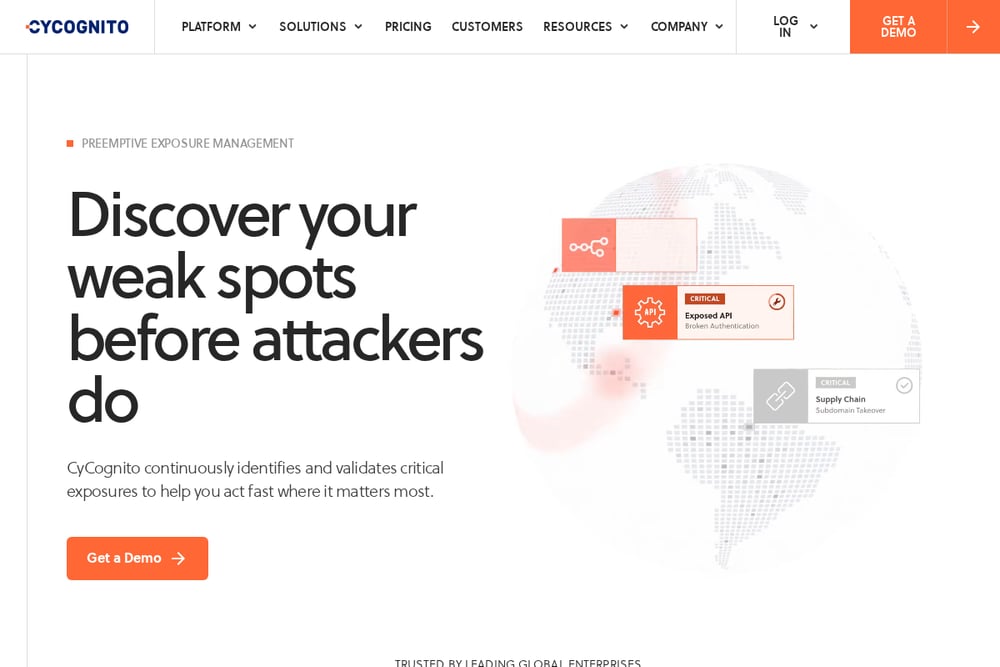 A screenshot of the CyCognito website.
CyCognito focuses on external attack surface management, giving you an attacker's view of your exposed assets. It uses seedless discovery to find shadow IT, cloud instances, and third-party risks you didn't know existed. The platform prioritizes exposures based on exploitability and business context, not just CVSS scores. It's particularly strong for organizations with complex cloud and hybrid environments. If you're tired of blind spots in your external perimeter, CyCognito fills the gap.
#2 Heimdal Security
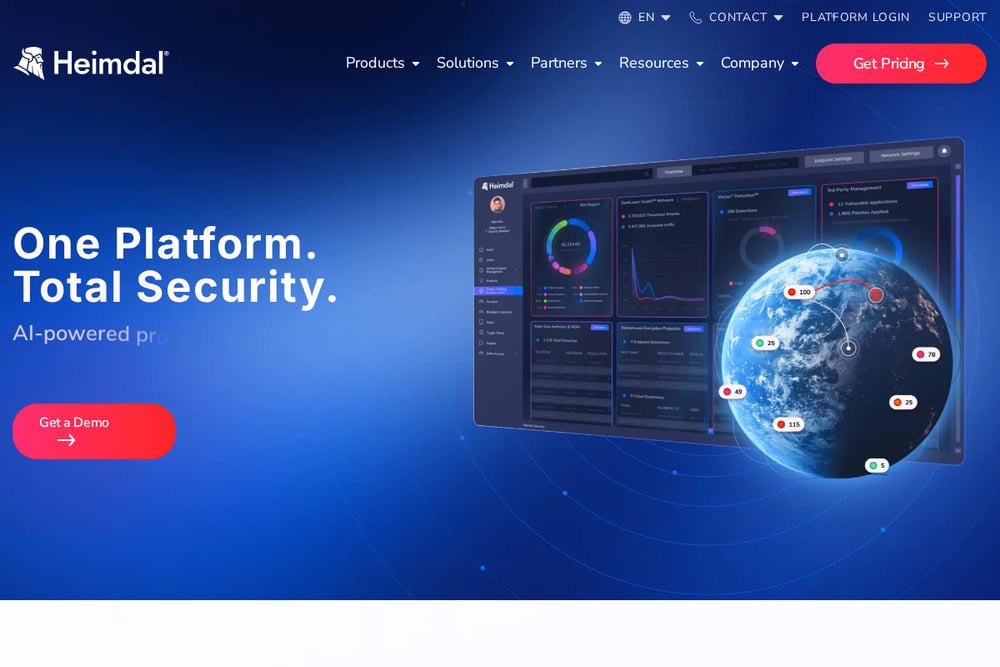 A screenshot of the Heimdal Security website.
Heimdal Security offers a unified security platform that combines vulnerability management with patch management, endpoint detection, and DNS security. Its strength lies in automating the remediation workflow, so you can patch vulnerabilities faster without manual intervention. The platform also provides threat hunting and action center capabilities for proactive defense. For teams that want to consolidate multiple security tools into one dashboard, Heimdal is a strong contender.
#3 UnderDefense
 A screenshot of the UnderDefense website.
UnderDefense positions itself as a security and compliance automation platform, with a strong focus on managed detection and response (MDR). Its MAXI platform combines vulnerability assessment with AI-powered incident context and SOAR capabilities. The platform is designed for organizations that want to outsource some of the heavy lifting while maintaining visibility. If you need a partner that can handle both vulnerability management and 24/7 threat monitoring, UnderDefense delivers.
#4 Proppa Security - Technical Guides for Qualys VMDR
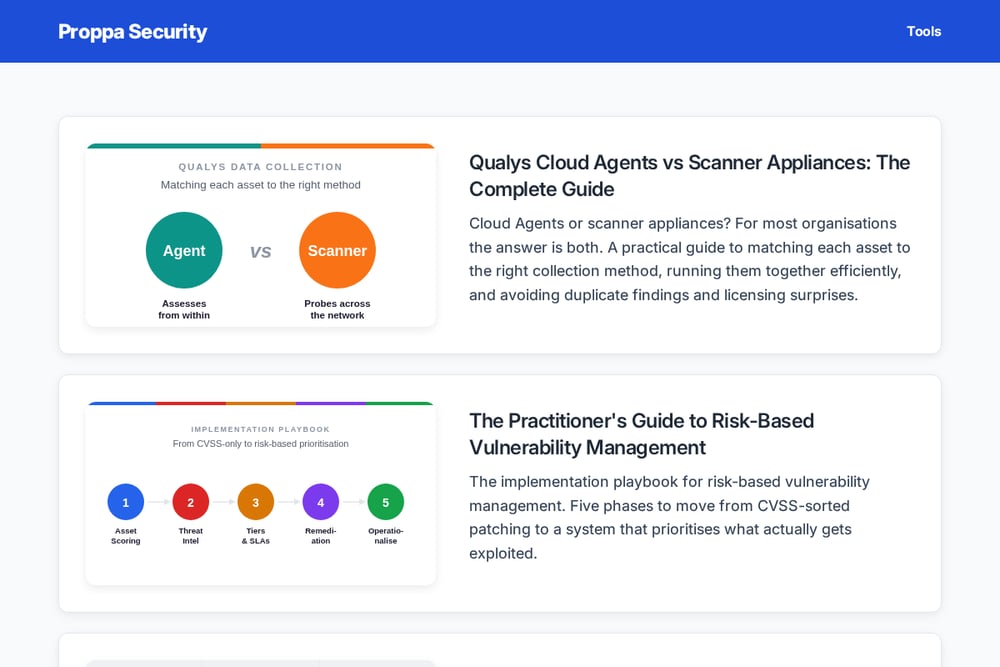 A screenshot of the Proppa Security website.
Proppa Security isn't a platform, it's a resource that helps you get the most out of Qualys VMDR. It offers practical guides and playbooks focused on risk-based vulnerability management, deployment patterns, and licensing optimization. If you're already using Qualys but feel like you're only scratching the surface, Proppa Security shows you how to prioritize effectively and reduce waste. It's the kind of no-fluff advice that security engineers actually use in production. Think of it as the manual Qualys should have written.
#5 SecOps Solution
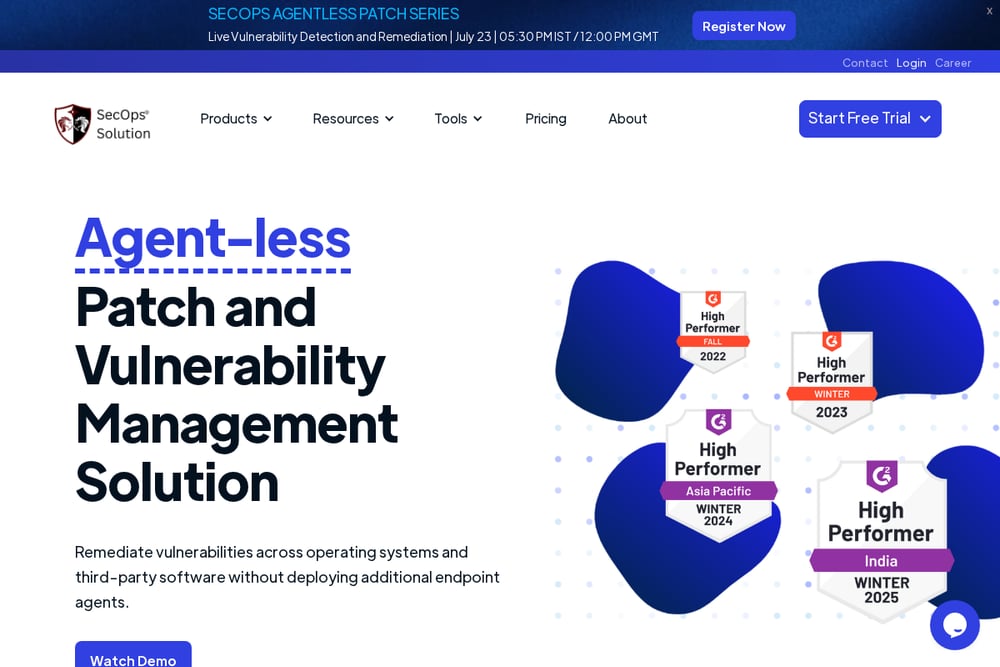 A screenshot of the SecOps Solution website.
SecOps Solution provides a lightweight, agentless vulnerability management platform with built-in patch management and compliance auditing. It's designed for ease of deployment, especially in environments where agents are impractical. The platform also offers configuration auditing to ensure your infrastructure meets industry standards. For small to mid-sized teams that need a simple, effective way to manage vulnerabilities without a heavy footprint, SecOps Solution is a practical choice.
How to Choose the Right Vulnerability Management Approach
Start by assessing your current stack. If you're already invested in Qualys, Proppa Security can help you optimize without switching vendors. If you need broader external visibility, CyCognito is your best bet. For teams that want to consolidate tools, Heimdal offers a unified endpoint and patch management solution. UnderDefense is ideal if you want managed services to reduce your team's workload. And if you're a smaller team looking for simplicity, SecOps Solution delivers agentless scanning with minimal overhead. Match the approach to your team size, existing tools, and risk appetite.
Automation Workflow: Streamlining Vulnerability Remediation
Start by integrating your vulnerability scanner with a ticketing system like Jira or ServiceNow. Use risk-based prioritization to automatically assign severity levels and due dates. Then, trigger automated patching for critical vulnerabilities using tools like Heimdal or SecOps Solution. Finally, schedule recurring reports to track remediation progress and adjust priorities based on new threat intelligence. This workflow reduces manual triage and ensures your team focuses on the vulnerabilities that matter most.
Final Synthesis: Choose the Tool That Fits Your Workflow
There's no one-size-fits-all in vulnerability management. The best platform is the one that integrates seamlessly into your existing processes and actually reduces your team's toil. Whether you need a full external attack surface map, a unified endpoint solution, or just better guidance for your Qualys deployment, these five options cover the spectrum. Start with your biggest pain point, and pick the tool that solves it first.