
Trauma doesn't just live in your memories; it lives in your body, your relationships, and your daily choices. Whether you're navigating the aftermath of a single event or the weight of complex, long-term trauma, finding the right therapist in Tucson
The Tucson Trauma Therapy Landscape in 2026
Tucson has become a notable hub for trauma recovery, blending evidence-based therapies like EMDR and Internal Family Systems with holistic and integrative approaches. The market ranges from solo practitioners offering deeply personalized care to large-scale residential treatment centers with medical detox capabilities. A key trend is the growing availability of low-cost and sliding-scale options, such as those provided by non-profits, making trauma care more accessible. At the same time, high-end residential centers continue to attract clients seeking immersive, short-term intensive programs. For local residents, the challenge is often navigating this diverse field to find a provider whose specialization, philosophy, and practical logistics align with their personal recovery goals.
How We Ranked Tucson's Top Trauma Providers
We evaluated each provider based on five core criteria: specialization depth in trauma modalities (e.g., EMDR, Somatic Experiencing), accessibility (including cost, insurance acceptance, and wait times), breadth of services (individual, family, group, or residential care), client-centered approach (personalization and therapeutic alliance), and overall reputation within the Tucson mental health community. The goal was to highlight options that serve different needs, from those seeking long-term outpatient therapy to those requiring structured residential support.
Here is a quick comparison of the five featured trauma therapy providers in Tucson to help you narrow down your search.
| Provider | Best For |
|---|---|
| Sequoia Springs Trauma Healing Center | Accessible, community-focused trauma healing |
| Sierra Tucson | Intensive residential trauma and PTSD treatment |
| Cottonwood Tucson | Holistic trauma recovery with co-occurring disorder support |
| Amy Simonds Taylor, LPC | Personalized long-term trauma therapy with an experienced counselor |
| Cara Lillian Love | Trauma-informed addiction and substance use recovery |
Detailed Reviews of Tucson's Top 5 Trauma Therapy Providers
#1 Sequoia Springs Trauma Healing Center
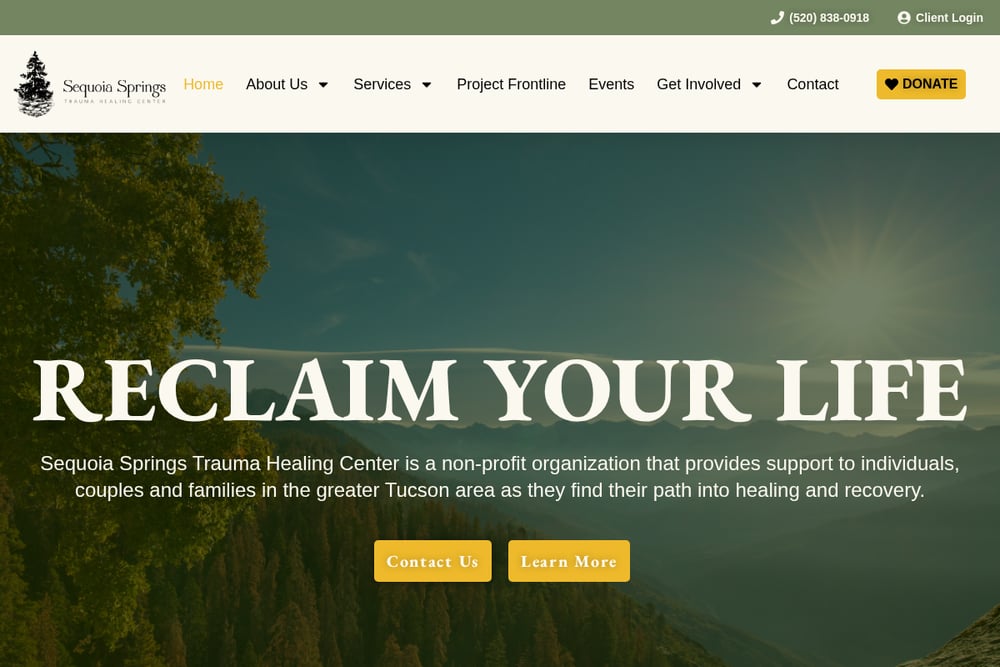 A screenshot of the Sequoia Springs Trauma Healing Center website.
Sequoia Springs stands out as a non-profit dedicated to making trauma-informed care accessible to everyone in Tucson. They offer a trauma-centered approach that integrates EMDR, the Safe and Sound Protocol, and Internal Family Systems, providing a holistic path to healing. Their P.A.T.H. program specifically offers low-to-no-cost talk therapy for individuals, couples, and families facing financial barriers. They also run Project Frontline, a specialized program for first responders and their families, addressing unique occupational trauma. This combination of deep specialization and community commitment makes them a vital resource.
#2 Sierra Tucson
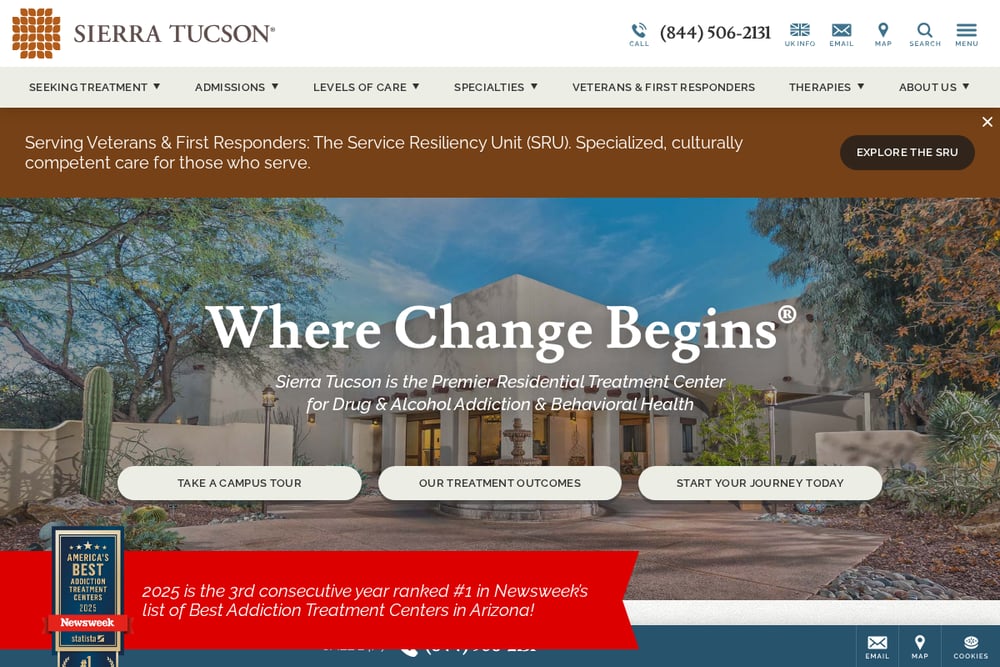 A screenshot of the Sierra Tucson website.
Sierra Tucson is a premier residential treatment center that has been a leader in trauma and PTSD recovery for decades. They offer a comprehensive, multi-level care system including residential treatment, detox and stabilization, and an outpatient program, all within a structured environment. Their model integrates evidence-based therapies with experiential modalities, creating an immersive healing experience for those needing intensive support. They also have specialized tracks for veterans, first responders, and individuals with co-occurring addictions. This is an excellent choice if you are looking for a full reset in a controlled, therapeutic community.
#3 Cottonwood Tucson
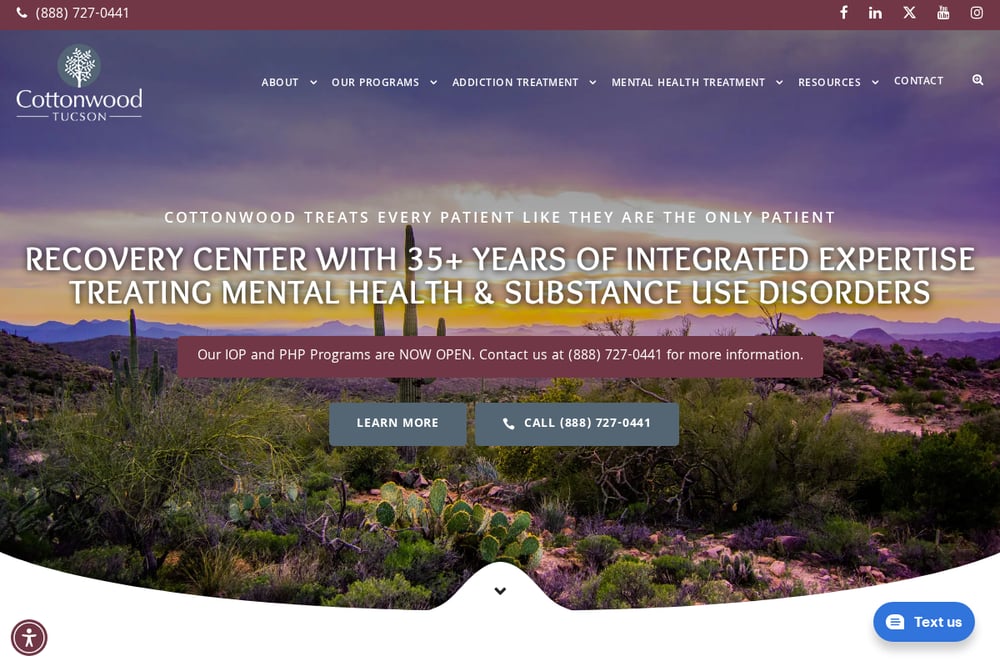 A screenshot of the Cottonwood Tucson website.
Cottonwood Tucson provides a holistic trauma program that addresses the mind-body connection, treating conditions like childhood trauma, complex trauma, and sexual trauma. Their approach is integrated within a broader mental health and addiction treatment framework, making them a strong option for those with co-occurring disorders. They offer residential treatment, outpatient services, and a dedicated veterans program, providing flexibility in level of care. The center emphasizes a holistic philosophy, incorporating therapies that go beyond traditional talk therapy to support whole-person recovery.
#4 Amy Simonds Taylor, LPC
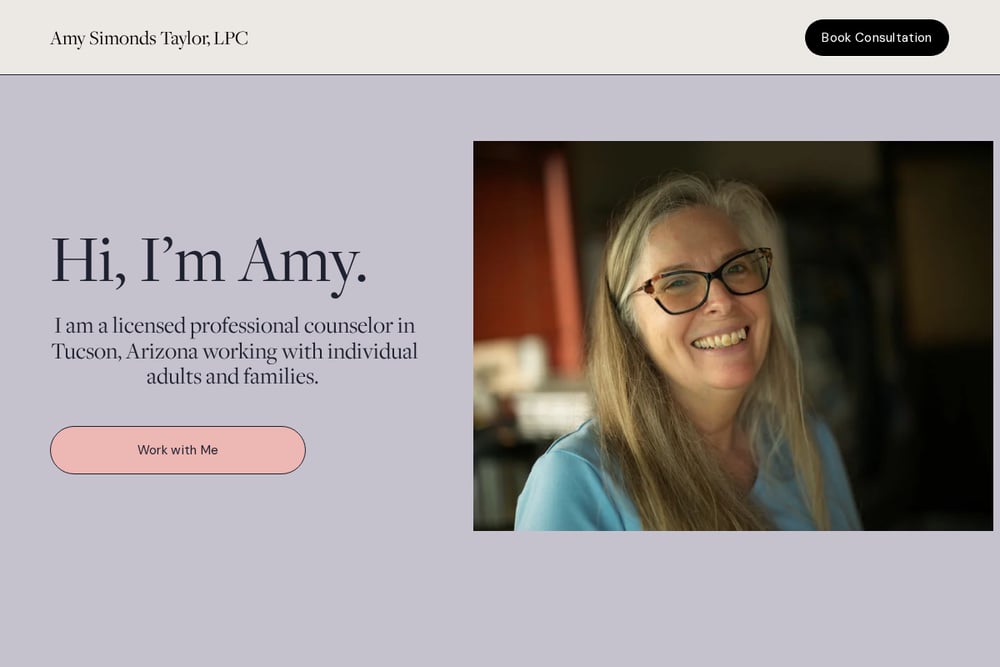 A screenshot of the Amy Simonds Taylor, LPC website.
Amy Simonds Taylor brings 30 years of experience as a licensed professional counselor in Tucson, offering a deeply personalized approach to individual and family therapy. She specializes in helping clients overcome trauma and anxiety through personalized consultations, tailoring her methods to each person's unique story. Her practice is ideal for those who prefer a long-term, one-on-one therapeutic relationship with a seasoned clinician. While she does not offer the intensive structure of a residential program, her extensive experience provides a stable, expert foundation for outpatient healing.
#5 Cara Lillian Love
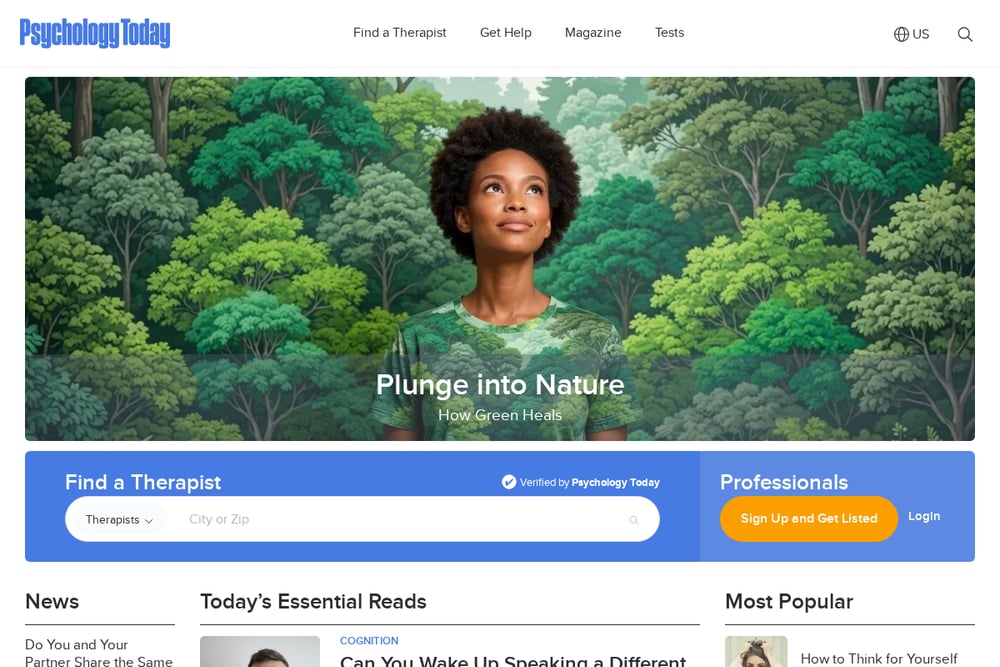 A screenshot of the Cara Lillian Love Psychology Today profile.
Cara Lillian Love is a Drug & Alcohol Counselor who specializes in treating substance use and the underlying trauma, depression, and anxiety that often drive it. With a Master of Science in Addiction Counseling and a post-Master certification in Trauma Counseling, she brings a dual focus to her work. Her approach is particularly effective for individuals whose trauma has manifested in addiction, as she addresses both issues concurrently. She offers a compassionate, specialized path for those ready to heal the root causes of their substance use.
How to Choose the Right Trauma Therapist in Tucson
Start by honestly assessing the level of care you need. If you are in crisis or have severe symptoms that disrupt daily functioning, a residential program like Sierra Tucson or Cottonwood Tucson may provide the necessary structure. For ongoing outpatient work, a private practitioner like Amy Simonds Taylor offers deep continuity, while Sequoia Springs provides accessible, specialized care. Consider your budget and insurance: non-profits like Sequoia Springs offer sliding scales, while residential centers often involve higher costs but may accept insurance. Finally, think about specialization. If trauma is intertwined with addiction, Cara Lillian Love's dual focus is invaluable. If you prefer a holistic, mind-body approach, Cottonwood Tucson's philosophy may resonate. Always schedule a consultation to gauge the therapeutic fit.
Automating Your Search for the Right Therapist
Finding the right therapist can be a time-consuming process of research and phone calls. You can streamline this by using a simple workflow. First, use a spreadsheet to list your top criteria: location, specialization (e.g., EMDR, trauma), insurance accepted, and budget. Next, visit the websites of your top 3-5 providers and copy their contact information and key details into your sheet. Finally, set a recurring calendar reminder to follow up with any providers who haven't responded within 48 hours. This system keeps your search organized and reduces the mental load of decision-making.
Your Path to Healing Starts with the Right Fit
Tucson offers a rich ecosystem of trauma therapy options, from intimate private practices to comprehensive residential centers. The best choice is the one that aligns with your specific needs, whether that is the deep expertise of a 30-year veteran like Amy Simonds Taylor, the community-focused accessibility of Sequoia Springs, or the immersive structure of Sierra Tucson. Remember that healing is not a race; it is a process of finding the right support, setting, and therapeutic relationship. Take the time to explore these options, ask questions, and trust your instincts as you take this important step forward.