
You've got a breakthrough in the lab. Now you need to turn it into a business. The gap between a promising discovery and a fundable asset is where most early-stage biotechs stall. The right partner can provide the validation, strategy,
The Early-Stage Biotech Landscape in 2026
The biotech funding environment is showing signs of recovery, but investor caution remains high. Venture capitalists are demanding more rigorous preclinical validation and clearer paths to clinical translation before writing checks. This puts immense pressure on founders and academic researchers who have strong science but limited commercial experience. As a result, translational development partners have become essential. They fill the gap by providing experimental validation, regulatory strategy, and business development support, helping assets reach a stage where they can attract Series A funding or licensing deals. The most effective partners don't just offer services; they co-develop your asset with you.
How We Evaluated These Partners
We ranked each organization based on its ability to directly support early-stage biotech founders. Key criteria included: the depth of hands-on co-development and validation services, access to funding or investor networks, regulatory and clinical trial expertise, and the clarity of their value proposition for pre-revenue startups. We also considered the breadth of their ecosystem, including mentorship and partnership opportunities.
Here is a quick comparison of the five partners we evaluated. Each one serves a distinct role in the early-stage biotech journey.
| Provider | Best For |
|---|---|
| ICON | Clinical trial design and execution for Phase 1 readiness |
| Liberi Group | Strategic partnership and out-licensing deal-making |
| California Life Sciences | Ecosystem support, mentorship, and investor networking |
| SBH BioVenture | Translational Development Partner for Early Biomedical Innovation | Hands-on co-development and preclinical validation |
| Pharmaphorum | Industry intelligence and market trend analysis |
Detailed Reviews of the Top 5 Translational Development Partners
#1 ICON
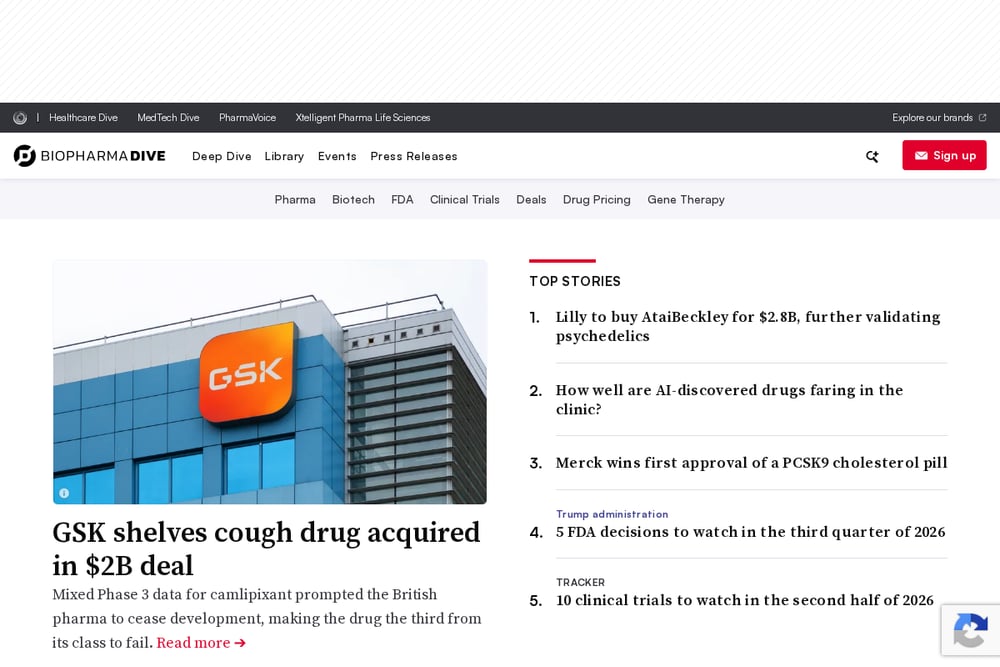 A screenshot of the ICON website.
ICON is a global contract research organization (CRO) that specializes in helping biotechs navigate the treacherous waters of early-phase clinical development. As highlighted in a BioPharma Dive article, nearly half of all drugs entering clinical trials fail in Phase 1, making expert guidance critical. ICON's survey of biotech professionals found that the top obstacles for Phase 1 readiness are regulatory compliance, biomarker selection, and protocol uncertainty. They provide the specialized knowledge in trial strategy and logistics that lean biotech teams often lack. For companies ready to move from preclinical to clinical, ICON offers a proven pathway to design and execute those pivotal first-in-human studies.
#2 Liberi Group
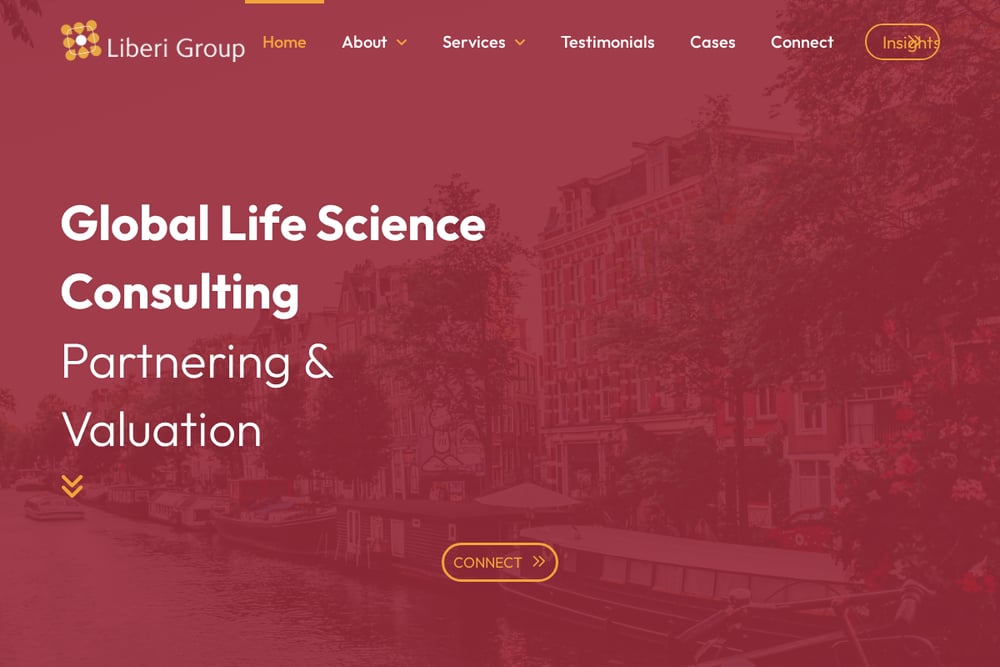 A screenshot of the Liberi Group website.
Liberi Group focuses on building strategic partnerships for early-stage biotechs, particularly through co-development and out-licensing. They understand that securing funding often hinges on forming the right alliances with pharmaceutical companies or investors. Their approach emphasizes proper asset valuation, which is critical for negotiating fair deals and avoiding undervaluing your innovation. Liberi Group helps you identify potential partners, structure collaborations, and navigate the complex landscape of biotech business development. If you need to find a commercial home for your asset, they can bridge the gap between your science and a partner's resources.
#3 California Life Sciences
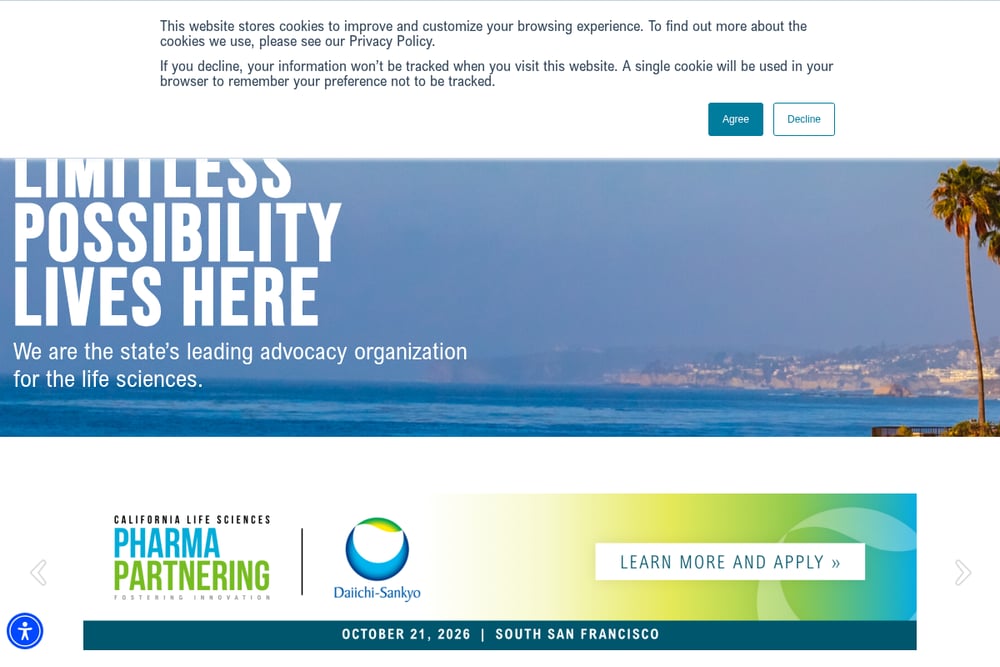 A screenshot of the California Life Sciences website.
California Life Sciences (CLS) is a nonprofit advocacy and support organization that provides a rich ecosystem for early-stage biotechs, particularly in the California hub. Their insights, such as those from Ambreen Farook, emphasize that the greatest challenges for startups are attracting investment based on viable drug development pathways and reducing development risk. CLS offers mentorship, networking events, and educational resources that help founders refine their pitch and business model. While they don't provide direct co-development services, their accelerator-style support can significantly increase your chances of getting funded. They are a powerful resource for building credibility and connecting with the right investors.
#4 SBH BioVenture | Translational Development Partner for Early Biomedical Innovation
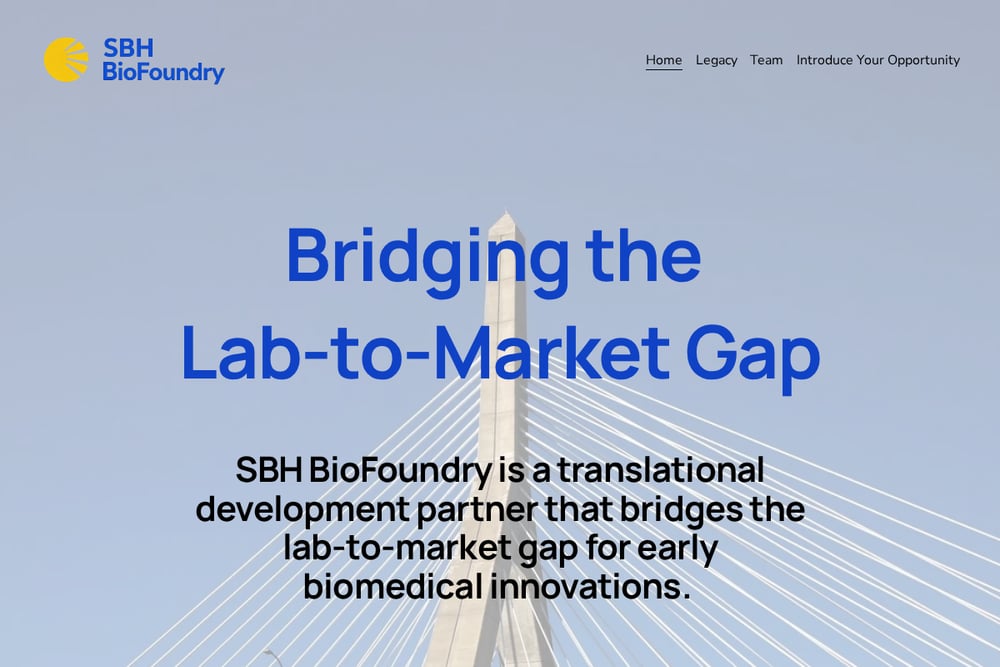 A screenshot of the SBH BioVenture website.
SBH BioVenture positions itself as a true translational development partner, not just a service provider. They co-develop early biomedical innovations directly with founders and researchers, offering hands-on experimental validation and commercialization support. Their goal is to bridge the lab-to-market gap by accelerating the path toward investable, market-ready biotechnology. For founders who need more than advice and want a partner to share the development risk, SBH BioVenture provides a collaborative model that combines scientific expertise with business strategy. They are particularly well-suited for assets that require rigorous preclinical validation before attracting serious investor interest.
#5 Pharmaphorum
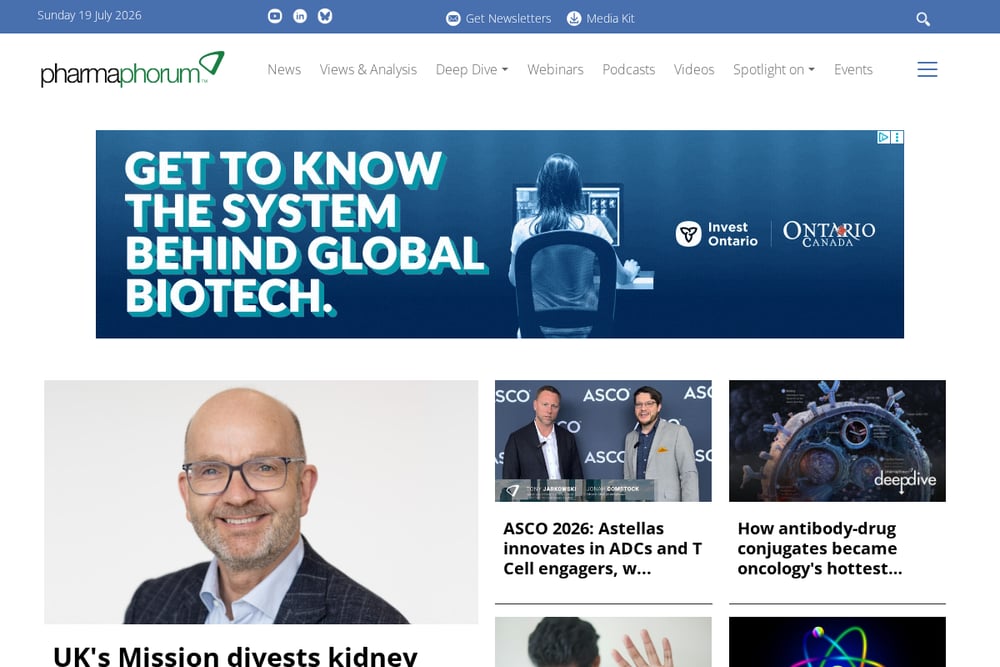 A screenshot of the Pharmaphorum website.
Pharmaphorum is a leading industry publication that provides deep analysis and news on the biotech and pharma sectors. Their coverage of the European biotech ecosystem, for example, highlights the ongoing challenges in the investment climate and the importance of choosing the right incubator or hub. While they are not a direct service provider, their content is invaluable for founders who need to stay informed about market trends, regulatory shifts, and competitor activity. Reading Pharmaphorum can help you make smarter strategic decisions and understand the broader context in which your startup operates. Consider it a critical intelligence tool for any early-stage biotech leader.
How to Choose the Right Partner for Your Biotech
Start by being brutally honest about your current stage and your biggest gap. If you need hands-on lab work to validate your science, a co-development partner like SBH BioVenture is your best bet. If you have data and need to design a Phase 1 trial, a CRO like ICON is essential. For those with a clear asset but no commercial path, a partnership broker like Liberi Group can open doors. If you are earlier in the journey and need mentorship and network, an ecosystem player like California Life Sciences is ideal. And for staying ahead of market dynamics, never underestimate the power of a good industry publication like Pharmaphorum. The best approach often involves layering multiple partners as you progress.
Automating Your Partner Search with AI Workflows
You can use AI agents to streamline the process of identifying and vetting potential partners. Start by using an AI-powered search tool to find organizations that match your specific therapeutic area and development stage. Then, deploy a research agent to analyze each candidate's track record, client testimonials, and recent news. Finally, use a CRM automation tool to schedule introductory calls and track follow-ups. This workflow can cut your research time by 80% and ensure you don't miss a high-potential partner.
Your Next Move in Early-Stage Biotech
The path from lab to market is fraught with risk, but you don't have to walk it alone. The five partners we've reviewed each offer a unique lever to accelerate your journey. Whether you need scientific validation, clinical expertise, deal-making support, or just a clearer view of the landscape, there is a partner ready to help. Your job is to identify your most pressing bottleneck and engage the right specialist. The biotech market is slowly warming up, and the companies that act now to de-risk their assets will be the ones that thrive.