
Ready to join the world of amateur radio? Whether you're drawn by emergency preparedness, the thrill of talking to astronauts, or the simple joy of building a community without cell towers, getting started can feel overwhelming. I've tested the top
Why Ham Radio Still Matters in 2026
Amateur radio, or ham radio, is a licensed two-way radio service regulated by the FCC. Its core mission is providing emergency and public service communications when power grids fail and cell networks go dark. Operators experiment with radio technology, push the boundaries of communication, and serve their communities—all without accepting payment, as required by law. The entry-level Technician license is surprisingly easy to earn, and the hobby offers a deep STEM foundation for anyone curious about electronics and propagation. In an increasingly connected yet fragile world, ham radio remains a resilient, hands-on way to stay in touch.
How I Ranked These Resources
I evaluated each site based on four criteria: clarity for absolute beginners, depth of study materials, community support and active forums, and the overall ease of navigating from zero to licensed operator. Bonus points went to resources that offered free or low-cost tools and a welcoming tone for newcomers.
Here is a quick look at how the top five resources stack up for anyone starting their ham radio journey.
| Provider | Best For |
|---|---|
| ARRL Ham Radio 101 | Authoritative, all-in-one beginner guide |
| HamStudy.org | Interactive exam prep and practice tests |
| Instructables Getting Started With Ham Radio | Practical, beginner-friendly step-by-step guide |
| Home | Simple, personal introduction to ham radio |
| RSGB Getting Started | UK-focused beginner resources and club finder |
Deep Dive: The Top 5 Ham Radio Getting-Started Resources
#1 ARRL Ham Radio 101
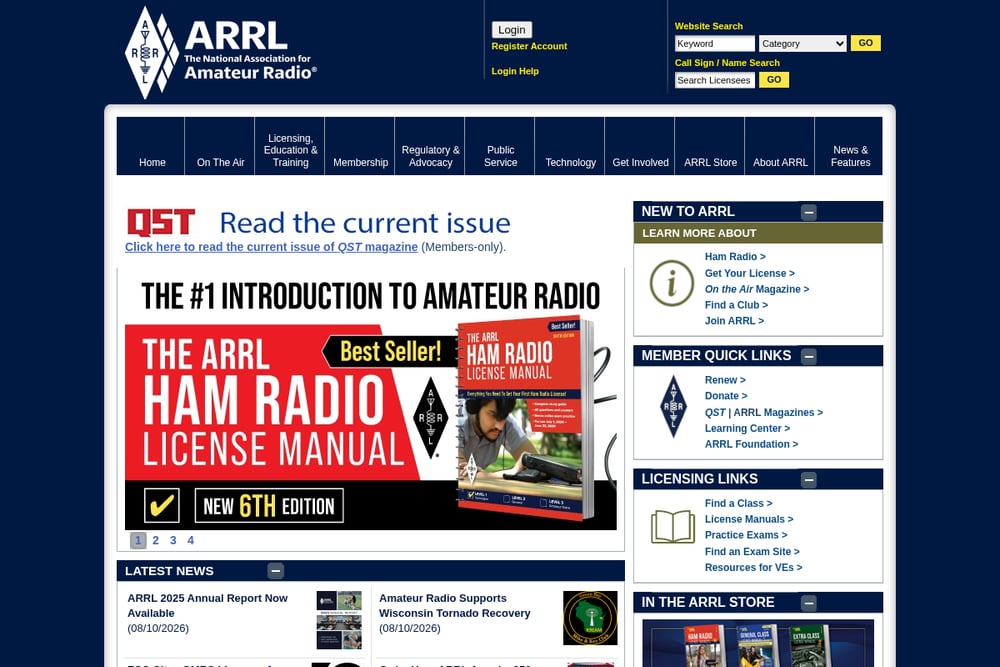 A screenshot of the ARRL Ham Radio 101 website.
The ARRL is the national association for amateur radio in the US, and their Ham Radio 101 page is the gold standard for beginners. It clearly explains what ham radio is, how licensing works, and the different niches you can explore, from voice to Morse code to satellite communication. The site links directly to study materials, exam session finders, and local clubs, making it a one-stop shop for your entire journey. If you want the authoritative, comprehensive starting point backed by decades of experience, this is it.
#2 HamStudy.org
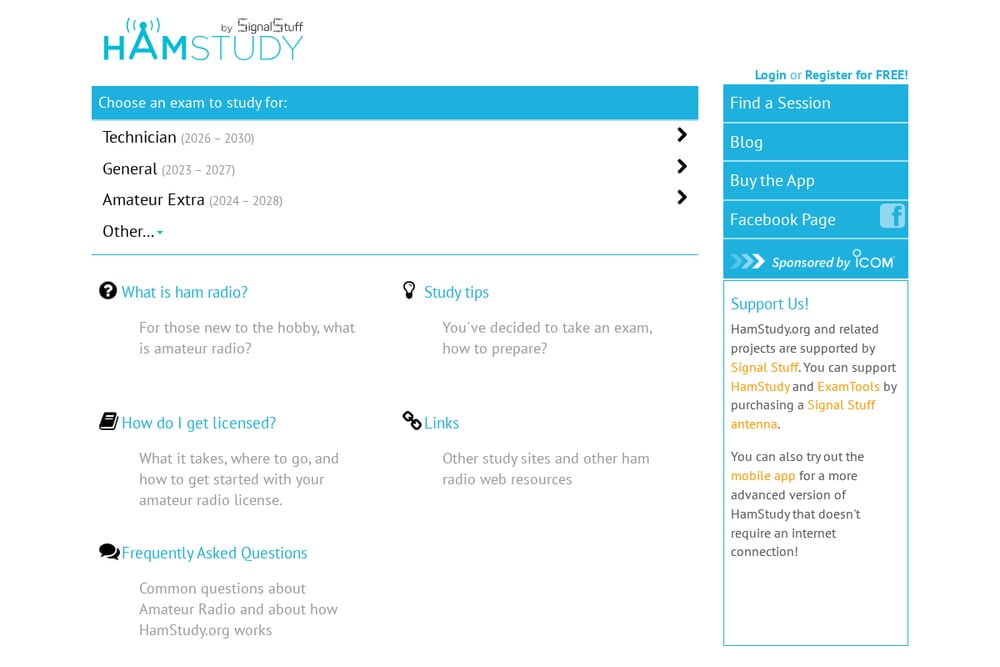 A screenshot of the HamStudy.org website.
HamStudy.org is the go-to tool for actually passing your license exam. It offers free, interactive flashcard-style study sessions for the Technician, General, and Amateur Extra exams, complete with detailed explanations for every question. You can track your progress, focus on weak areas, and even simulate the real exam. The site also includes a session finder to locate nearby testing events, so you can go from studying to licensed in record time.
#3 Instructables Getting Started With Ham Radio
 A screenshot of the Instructables Getting Started With Ham Radio website.
This Instructables guide by bekathwia offers a friendly, step-by-step walkthrough from a real beginner's perspective. It covers everything from choosing your first study manual and buying a Baofeng radio to making your first contact. The guide is packed with practical tips, like which antenna upgrade to buy and how to use a programming cable. It's perfect if you want a relatable, human voice to guide you through the initial confusion.
#4 Home
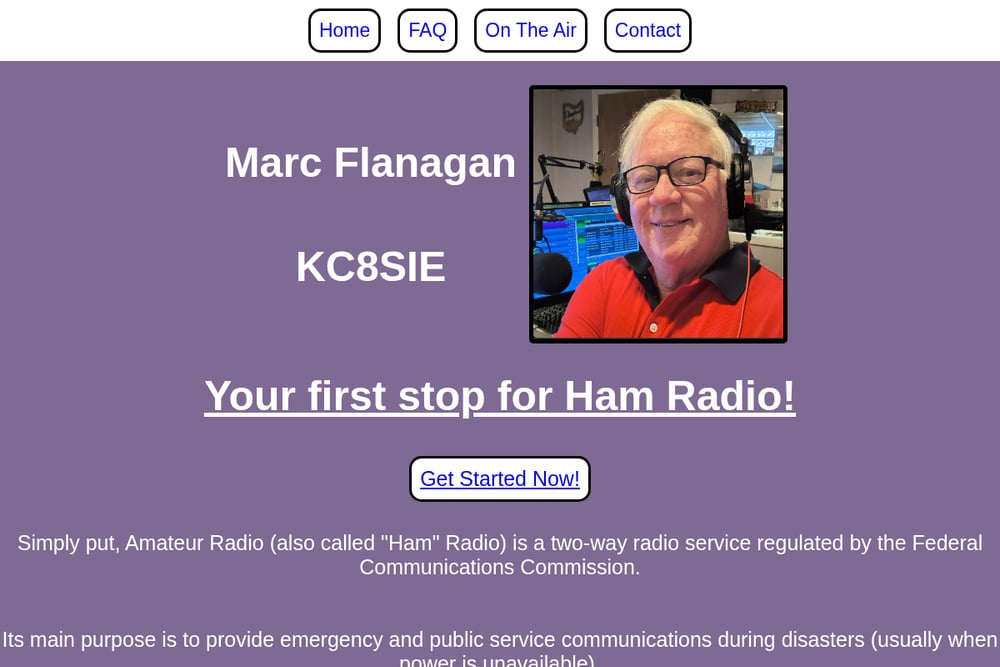 A screenshot of the KC8SIE website.
KC8SIE is a personal site run by Marc Flanagan that serves as a straightforward resource for newcomers. It explains the core purpose of amateur radio—emergency communications and experimentation—and emphasizes that operators provide this service at no cost. The site includes sections like FAQ and On The Air to help you understand the basics and find your way. While it lacks the depth of larger organizations, it offers a no-frills, honest introduction from a real operator.
#5 RSGB Getting Started
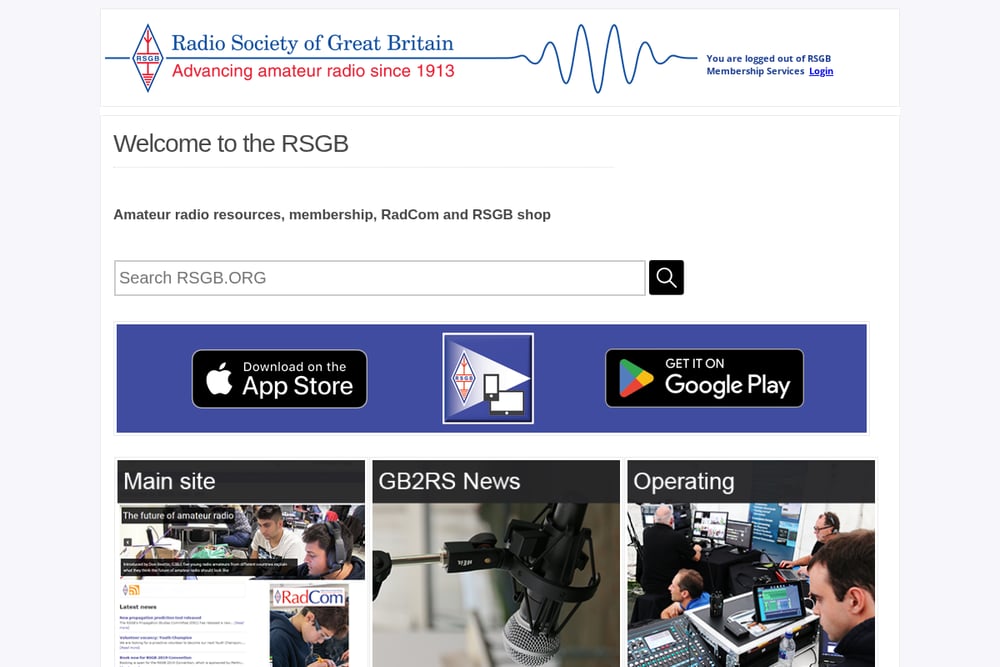 A screenshot of the RSGB Getting Started website.
The Radio Society of Great Britain provides a comprehensive getting-started page tailored to UK readers, covering licensing, training courses, and local clubs. It includes links to exam resources, special event stations, and practical guides for setting up your first station. While it's UK-centric, the core advice on studying and operating applies universally. If you're in the UK or want a European perspective on the hobby, this is an excellent starting point.
How to Pick the Right Resource for You
Start with ARRL Ham Radio 101 if you want the most authoritative overview and a clear path forward. If you're focused on passing the exam quickly, jump straight to HamStudy.org for its interactive tools. For a friendly, practical walkthrough from a fellow beginner, the Instructables guide is your best bet. KC8SIE offers a personal, no-cost perspective from a licensed operator, while RSGB is ideal if you're in the UK. Mix and match: use one for the big picture and another for exam prep.
Automate Your Study Routine
Set a daily 15-minute study session on HamStudy.org using its flashcard mode. Pair that with a weekly read of one section from the ARRL Ham Radio 101 page to understand the context behind the questions. Use the Instructables guide as a checklist for buying your first radio and antenna. Once you pass, visit KC8SIE for real-world operating tips and RSGB for local club events. This workflow keeps you moving from zero to on the air without getting stuck.
Your First Contact Awaits
Getting your ham radio license is easier than you think, and these five resources give you everything you need to succeed. Start with the big picture at ARRL, drill down with HamStudy.org, and get practical advice from Instructables and KC8SIE. Whether you're preparing for emergencies or just want to talk to someone on the other side of the world, the airwaves are waiting. Pick a resource, start studying, and you'll be on the air before you know it.