
The future of our cities isn't just about humans. As we face climate change and biodiversity loss, a new wave of architects and designers is championing multispecies urbanism—designing spaces that prioritize the needs of all living beings. These five practices
The Rise of Multispecies Urbanism
Multispecies urbanism is a paradigm shift in how we think about cities. Instead of seeing urban spaces as exclusively human domains, this approach recognizes that plants, animals, and microorganisms are rightful stakeholders. It challenges the traditional dichotomy between nature and the built environment, promoting entanglement and coexistence. This movement is gaining traction as a critical response to the ecological crisis, with practitioners developing new design methods, policy innovations, and sensory experiences that foster solidarity across species.
How We Ranked These Practices
We evaluated each practice based on three core criteria: first, the depth of their theoretical framework—how well they articulate and advance the concept of multispecies design. Second, the tangibility of their projects—whether they have built works, research, or exhibitions that demonstrate their ideas in action. Third, their influence on the broader field, measured by publications, collaborations, and public engagement. The result is a list of pioneers who are not just talking about change but actively building it.
Here is a quick comparison of the top five multispecies urbanism practices, highlighting what makes each one unique.
| Provider | Best For |
|---|---|
| Urbaniahoeve | Pioneering urban food forests and soil regeneration |
| ARCH+ Cohabitation | Theoretical and curatorial leadership in multispecies discourse |
| TU Wien Landscape Architecture | Academic research and design process frameworks |
| JAMkinship | Hands-on architectural projects fostering human-nature entanglement |
| more-than-human.eu | Curating symposia and networking for multispecies design |
The Top 5 Multispecies Urbanism Practices
#1 Urbaniahoeve
 A screenshot of the Urbaniahoeve website.
Urbaniahoeve, founded by Debra Solomon, is a pioneering force in multispecies urbanism. Solomon actually coined the term 'multispecies urbanism' in 2017, defining it as urban development driven by the priorities of urban ecosystems. Their work focuses on creating public space urban food forests, building soil, and regenerating biodiversity through action research. A standout project is a 55-hectare urban food forest in Amsterdam Zuidoost, demonstrating the power of this approach at scale. Urbaniahoeve's deep integration of theory and practice makes them a clear leader in the field.
#2 ARCH+ Cohabitation
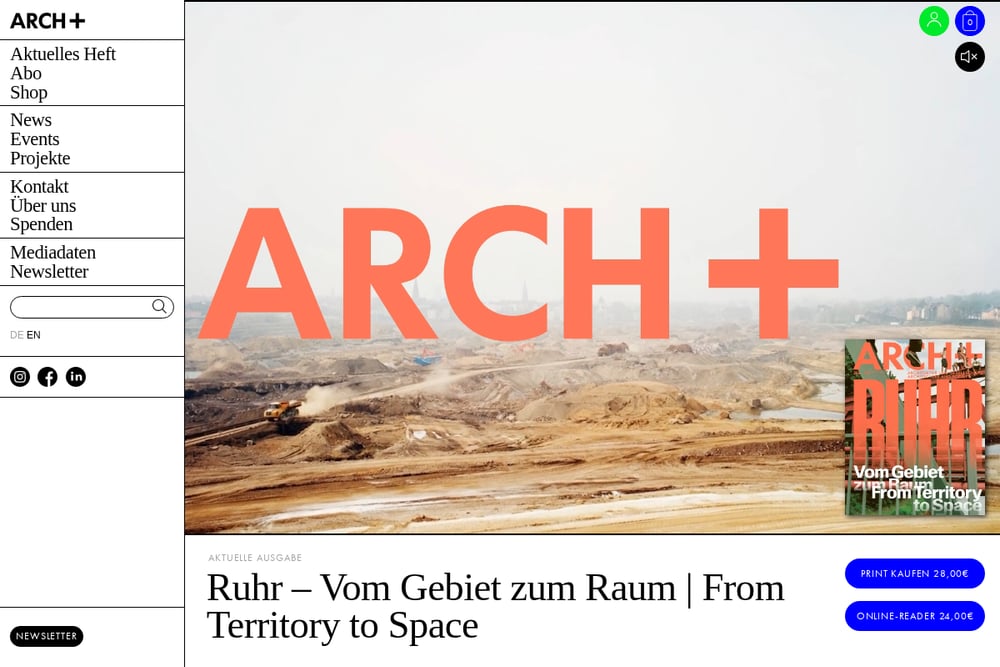 A screenshot of the ARCH+ Cohabitation website.
ARCH+ is a renowned German architecture and theory magazine, and their 'Cohabitation' project is a landmark in multispecies discourse. The project includes an exhibition and a manifesto that calls for 'solidarity as the tenderness of the species.' It explores how cities have always been home to non-humans and argues for a new architectural practice that embraces this reality. By curating voices from artists, architects, and theorists, ARCH+ has created a powerful platform for rethinking urban space. Their work is essential reading for anyone serious about multispecies design.
#3 TU Wien Landscape Architecture
 A screenshot of the TU Wien Landscape Architecture website.
The team at TU Wien Landscape Architecture is producing rigorous academic research on multispecies building design. Their 2023 paper, 'Architectural Multispecies Building Design: Concepts, Challenges, and Design Process,' maps out the challenges and opportunities of integrating ecological knowledge into architectural practice. They emphasize that this approach is not just an ethical choice but an essential strategy for combating biodiversity loss and climate change. Their work provides a crucial roadmap for architects looking to implement these ideas at the building scale.
#4 JAMkinship
 A screenshot of the JAMkinship website.
JAMkinship is an architectural practice that puts multispecies urbanism into action by designing relationships between humans and nature. They focus on creating social activities and sensory experiences that promote coexistence with other species, moving from a human-nature dichotomy to a state of entanglement. Their approach is hands-on, exploring how architecture can support the needs of both people and wildlife in urban settings. If you are looking for a firm that translates theory into tangible, sensory-rich projects, JAMkinship is a compelling choice.
#5 more-than-human.eu
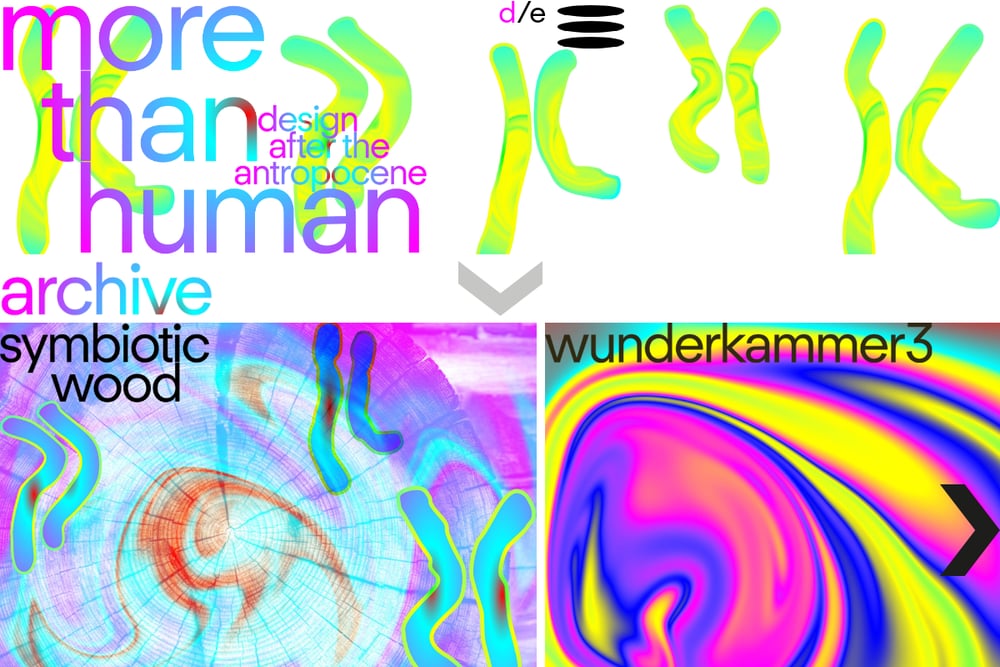 A screenshot of the more-than-human.eu website.
More-than-human.eu is a platform that curates international symposia and resources on multispecies design. Their 2024 symposium brought together researchers and practitioners from fields like anthropology, design, and architecture to map current positions and best practices. They emphasize the 'multispecies turn' as a necessary response to global challenges like climate change and biodiversity loss. For anyone wanting to stay at the cutting edge of this movement, more-than-human.eu is an invaluable resource for networking and learning.
How to Choose the Right Multispecies Practice for Your Project
When selecting a multispecies urbanism practice, start by defining your project's scale and goals. If you are working on a large-scale urban intervention like a food forest, Urbaniahoeve's proven track record is unmatched. For theoretical grounding or to inform a design process, the research from TU Wien is invaluable. If you need a manifesto or cultural framing to build public support, ARCH+ Cohabitation provides powerful language. For a hands-on architectural project that creates sensory experiences, JAMkinship is a strong fit. And if you want to connect with a broader community of practitioners, more-than-human.eu is your gateway.
Automating Your Multispecies Design Workflow
You can streamline your research and collaboration by setting up automated alerts for new publications from TU Wien and new events from more-than-human.eu. Use a project management tool to track inspiration from ARCH+ Cohabitation's exhibitions and case studies from Urbaniahoeve. For design development, consider using parametric modeling software to simulate ecological interactions, drawing on the frameworks from JAMkinship's approach. This workflow ensures you stay current and can rapidly integrate new multispecies insights into your projects.
Building a Future for All Species
Multispecies urbanism is not a niche trend; it is a necessary evolution of how we design our cities. The five practices highlighted here represent the vanguard of this movement, each contributing a unique piece of the puzzle. From Urbaniahoeve's groundbreaking food forests to JAMkinship's sensory architecture, they show that designing for all species is not only possible but deeply rewarding. By embracing their insights, you can help build urban environments that are resilient, just, and alive with biodiversity.