
Navigating the complex landscape of cell and gene therapy requires a manufacturing partner that understands both the science and the scale. We have vetted the leading providers in the Alameda biotech hub to help you accelerate your path to the
What is a CRDMO in Genetic Medicine?
A Contract Research, Development, and Manufacturing Organization (CRDMO) serves as the backbone for biotech innovators. Unlike traditional manufacturers, these firms integrate early-stage process design with cGMP production, ensuring that your therapy is not only manufacturable but optimized for clinical success from day one.
How we vetted these providers
We evaluated providers based on their facility capabilities, technical expertise in synthetic biology, and their track record of supporting clinical-stage programs. Our focus remained on Alameda-based or highly relevant regional partners that offer integrated, end-to-end support for cell and gene therapy developers.
Here is how the top players in the region stack up for your next project.
| Provider | Best For | Pricing |
|---|---|---|
| GeneFab | Integrated CRDMO support | Custom quote |
| Senti Bio | Gene circuit-based therapy development | Custom quote |
| CellFE | Non-viral cell engineering hardware | Custom quote |
| Applied StemCell | iPSC and genome editing services | Custom quote |
| Avid Bioservices | Large-scale cGMP manufacturing | Custom quote |
The 5 Best Genetic Medicine Manufacturing Partners in 2026
#1 GeneFab
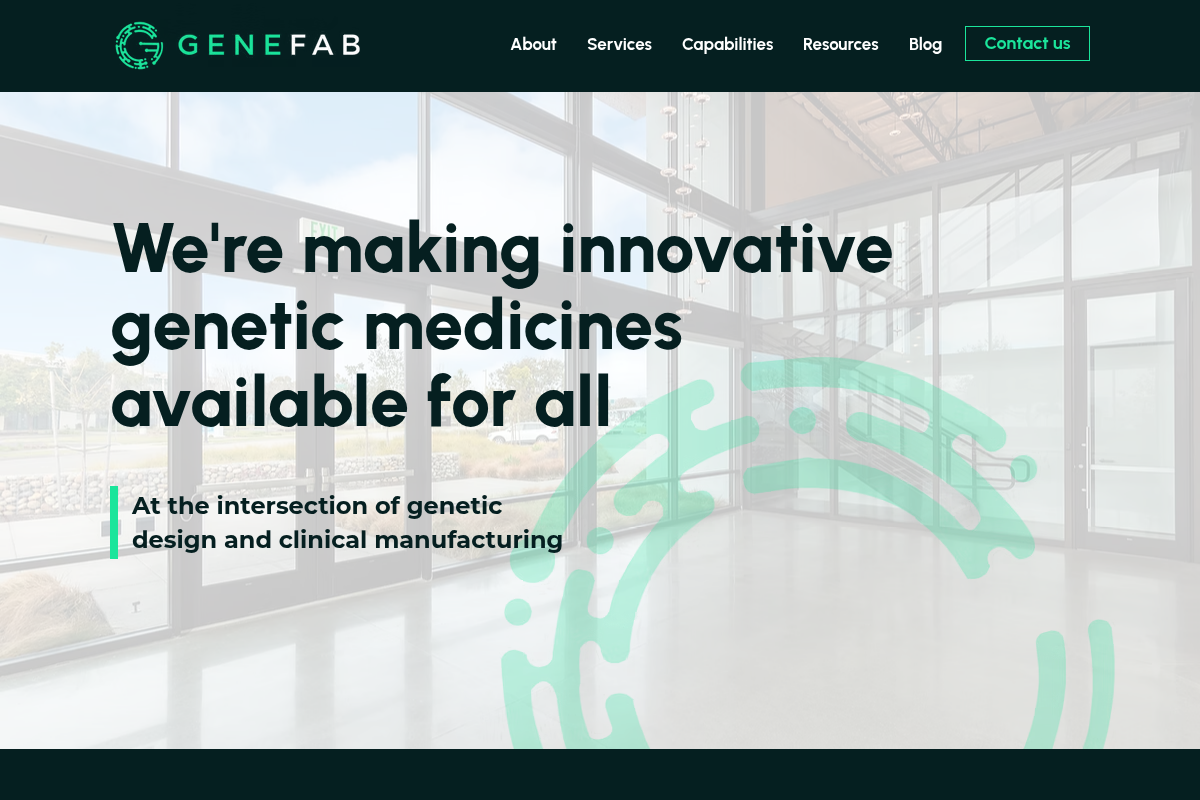 A screenshot of the GeneFab website.
GeneFab stands out as a premier CRDMO that bridges the gap between synthetic biology design and clinical-grade manufacturing. Operating from a 92,000-square-foot facility in Alameda, they provide specialized support for allogeneic and autologous cell therapies, viral vectors, and critical starting materials. Their team emphasizes a process-development-first mindset, which helps innovators minimize risk during technology transfer. By integrating research expertise with cGMP production, they offer a seamless transition from discovery to commercialization. Their recent partnerships, such as the one with RegCell, highlight their capability to handle complex international tech transfers.
Key Service Strengths:
- Pro: Deep integration of synthetic biology design with cGMP manufacturing.
- Con: High demand for their specialized cleanroom suites may impact scheduling.
- Pricing: Custom quote
#2 Senti Bio
 A screenshot of the Senti Bio website.
Senti Bio is a clinical-stage biotechnology company that has established a significant manufacturing footprint in Alameda. While they primarily focus on their own pipeline of gene-circuit-based therapies, their state-of-the-art facility is a benchmark for the region. They utilize proprietary processes to efficiently modify NK cells, freezing and storing them for multiple batches. Their presence in Alameda has helped anchor the local biotech ecosystem, providing a high-tech environment for advanced cell therapy production. They are an ideal partner for those looking for sophisticated, circuit-based therapeutic development.
Key Service Strengths:
- Pro: Proprietary gene-circuit technology for highly controlled therapies.
- Con: Primarily focused on internal pipeline development rather than broad contract services.
- Pricing: Custom quote
#3 CellFE
CellFE is revolutionizing the manufacturing of cell therapies through its proprietary microfluidic-based technology. Based in Alameda, they provide benchtop devices that enable high-yield, healthy cell editing without the need for viral vectors. This approach significantly reduces the complexity and cost associated with traditional manufacturing workflows. Their hardware platforms are designed to scale seamlessly from initial laboratory research to full clinical production. For developers looking to improve cell health and reduce genotoxicity, CellFE offers a unique, hardware-centric solution.
Key Service Strengths:
- Pro: High-yield, non-viral delivery system that maintains superior cell viability.
- Con: Requires integration into your existing manufacturing workflow rather than a full-service CDMO model.
- Pricing: Custom quote
#4 Applied StemCell
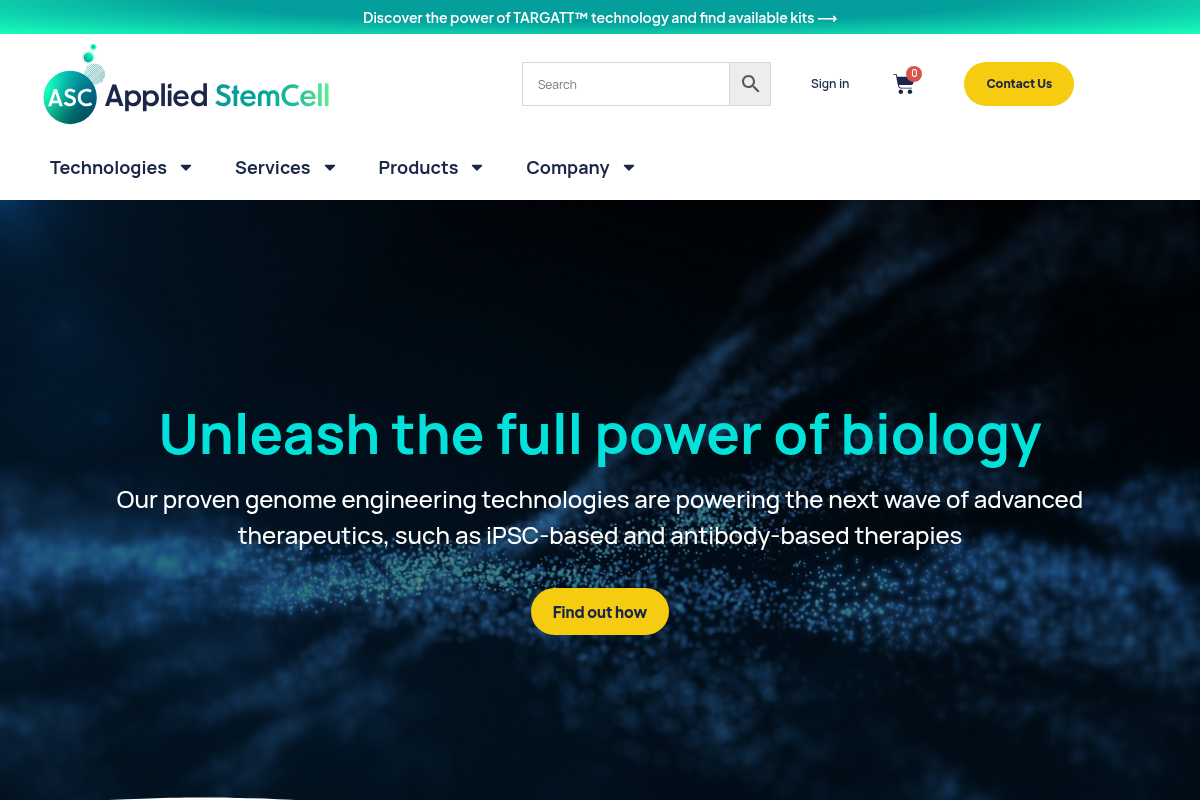 A screenshot of the Applied StemCell website.
Applied StemCell is a well-established CRO/CDMO that specializes in iPSC and genome editing technologies. They provide a comprehensive platform for the production of iPSC-derived products, which are essential for modern gene and cell therapy research. Their expertise spans the entire development lifecycle, from early-stage research to clinical-grade manufacturing. By focusing on building a complete iPSC-Gene Editing platform, they assist biotech companies in overcoming the hurdles of developing breakthrough therapeutic approaches. Their long-standing reputation makes them a reliable partner for complex, stem-cell-based projects.
Key Service Strengths:
- Pro: Extensive experience in iPSC-derived product development and genome editing.
- Con: Service offerings are highly specialized, which may require additional partners for fill-finish.
- Pricing: Custom quote
#5 Avid Bioservices
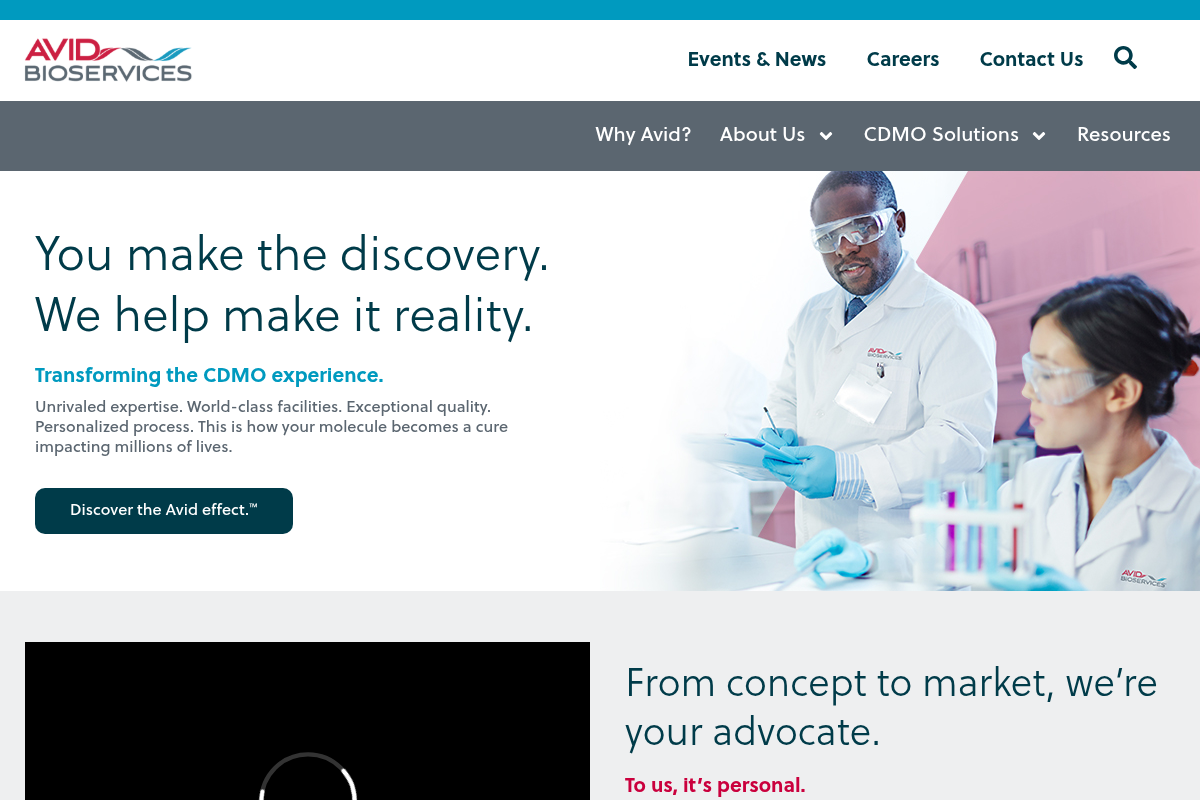 A screenshot of the Avid Bioservices website.
Avid Bioservices is a dedicated CDMO that provides a full range of process development and cGMP manufacturing services for the biopharmaceutical industry. While they operate on a broader scale than some niche Alameda-only providers, their expertise in biologics and cell and gene therapy is extensive. They offer comprehensive support for clinical and commercial manufacturing, ensuring that projects meet rigorous regulatory standards. Their focus on quality and efficiency makes them a strong choice for companies that need a partner with a proven track record in large-scale production. They are particularly well-suited for late-stage clinical programs.
Key Service Strengths:
- Pro: Strong regulatory track record and extensive capacity for commercial-scale production.
- Con: Less specialized in early-stage synthetic biology design compared to boutique Alameda firms.
- Pricing: Custom quote
Selecting the right partner
When choosing a manufacturing partner, prioritize those who offer integrated process development. You want a team that understands your specific modality—whether it is CAR-T, AAV, or iPSC—and can scale with you. Always verify their cGMP compliance and ask for a clear technology transfer roadmap before signing.
Automating your workflow
Modern manufacturing is moving toward automation to reduce human error and vein-to-vein time. Look for partners like GeneFab or CellFE that leverage modular unit operations and microfluidic platforms. These technologies not only improve consistency but also provide the data transparency needed for regulatory submissions.
The Verdict
The Alameda biotech corridor offers a unique concentration of talent and infrastructure for genetic medicine. Whether you are in the early design phase or preparing for clinical trials, the providers listed above offer the specialized expertise required to navigate the complexities of modern therapy development. Start by assessing your specific technical needs and scheduling a facility tour to ensure their culture and capabilities align with your long-term goals.