
You know the feeling: you're standing in a grocery checkout line, and a screen right next to the candy bars is flashing an ad for a new snack you suddenly want to try. That's digital out-of-home (DOOH) advertising at work.
Why DOOH Is the Fastest-Growing Channel in Out-of-Home Advertising
Digital out-of-home advertising is no longer a futuristic concept; it's a $20.17 billion market that's projected to reach $56.1 billion by 2034, according to Fortune Business Insights. North America alone accounts for 33.64% of global revenue. What's driving this growth? Context. DOOH screens can serve ads based on location, time of day, weather, or even recent consumer behavior. For example, a travel accessories brand can target airport screens right after someone books a flight. Unlike traditional billboards, DOOH supports dynamic creative that changes in real time, and it integrates seamlessly with programmatic buying. The result is a channel that combines the scale of out-of-home with the precision of digital. Brands are using DOOH to extend their reach beyond mobile and social, creating omnichannel experiences that feel cohesive and timely.
How I Ranked These DOOH Networks
I evaluated each platform based on four criteria: network scale (number of screens and geographic reach), targeting capabilities (programmatic, contextual, and demographic options), ease of integration (how quickly you can launch a campaign), and vertical specialization (whether the network excels in retail, real estate, or general audiences). I also considered third-party audits and brand safety features, since transparency matters when you're spending ad dollars. The rankings prioritize platforms that offer measurable ROI and flexible buying options, from self-serve to managed services.
Here's a quick snapshot of the five DOOH networks, so you can compare their strengths at a glance.
| Provider | Best For |
|---|---|
| Viant | Programmatic buyers seeking omnichannel integration |
| Revel Digital | Retailers monetizing their own in-store screens |
| Screenverse | Brands targeting shoppers inside major retail chains |
| Dolphin Digital | Digital Out of Home Advertising (DOOH) | Point-of-purchase advertising in grocery and convenience stores |
| Adwerx | Real estate and mortgage professionals targeting local audiences |
Deep Dive: The Top 5 DOOH Advertising Networks
#1 Viant
 A screenshot of the Viant website.
Viant is a programmatic DOOH platform that lets you buy digital ad space across screens in elevators, gyms, airports, and office buildings. Their DSP gives you access to private marketplace inventory, so you can target specific locations, demographics, or times of day. According to Viant, 76% of people take an action after seeing a DOOH ad, and the platform integrates with omnichannel campaigns for consistent messaging. You can update creative in real time, which means your ad can reflect a weather change or a live event. It's built for advertisers who want precision and scale without the hassle of manual buys. If you're already running programmatic display or video, Viant slots right into your workflow.
#2 Revel Digital
 A screenshot of the Revel Digital website.
Revel Digital focuses on retail media, connecting your screens directly to DOOH networks like Vistar Media, PlaceExchange, and Vengo. Setup takes just 15 to 30 minutes per network, and you can blend your own brand content with third-party ads using playlist scheduling. Typical retail screens generate $500 to $2,000 per month, with high-traffic locations exceeding $5,000. Revel gives you full control over ad categories, so you can block competitors or sensitive content. It's a solid choice if you own retail screens and want to monetize them without sacrificing your brand experience. The real-time dashboard shows impressions, revenue, and fill rates per screen.
#3 Screenverse
 A screenshot of the Screenverse website.
Screenverse offers a broad network of retail DOOH inventory, including interactive kiosks, digital displays, and urban panels inside major retailers like Walmart, 7-Eleven, and grocery chains. Their placements target consumers at the point of purchase, which is ideal for influencing buying decisions right before checkout. You can advertise inside stores or outside in malls and shopping centers, reaching shoppers in a high-intent mindset. Screenverse also partners with Touchsource for premium urban panels in luxury malls. The platform is data-driven, helping you build campaigns that drive in-store traffic and boost sales. It's a strong option if you want to reach consumers when they're already holding their wallets.
#4 Dolphin Digital | Digital Out of Home Advertising (DOOH)
 A screenshot of the Dolphin Digital website.
Dolphin Digital operates over 5,000 indoor screens across the U.S., placed in grocery stores, convenience stores, and pharmacies. Their network delivers more than 375 million weekly impressions across 90+ DMAs, making it one of the largest retail-focused DOOH networks. They integrate with leading supply-side platforms (SSPs) for easy programmatic buying, and their screens are audited by Geopath for transparency. Dolphin uses a home-grown CMS that handles billions of impressions and terabytes of data, with a 100% completion rate and zero ad fraud guarantee. If you want to reach shoppers at the exact moment they're deciding what to buy, Dolphin puts your brand right in that aisle. Their brand safety tagging ensures your ad appears only in appropriate locations.
#5 Adwerx
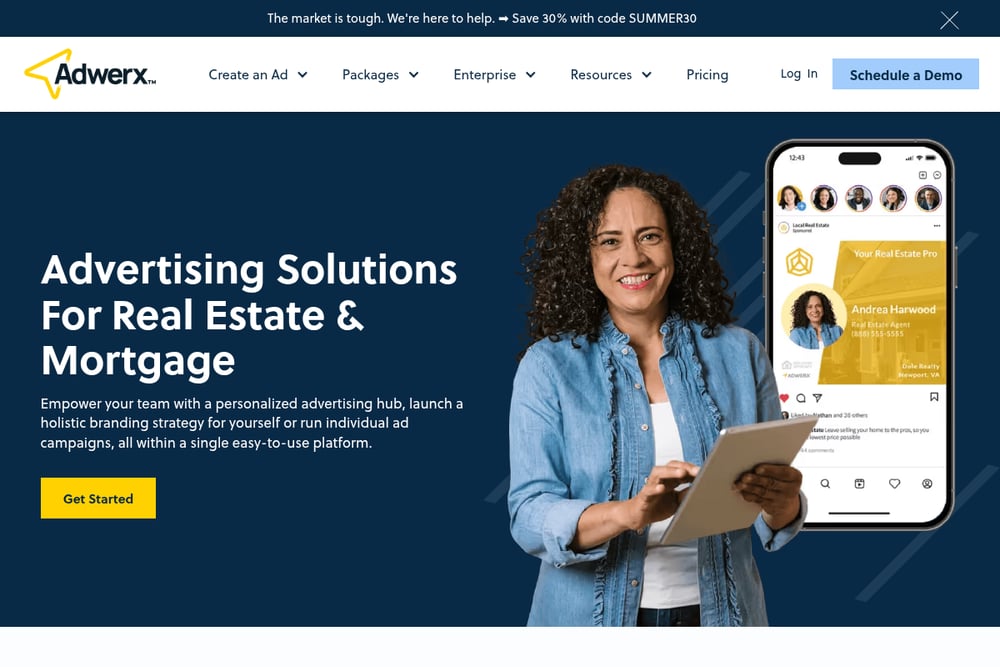 A screenshot of the Adwerx website.
Adwerx brings DOOH advertising to real estate and mortgage professionals, placing digital ads on screens in malls, gyms, restaurants, pharmacies, and offices. It's a niche play, but it solves a specific problem: how to get in front of local consumers who are out and about. The platform lets you target by location and audience, so your ad shows up where potential home buyers or borrowers spend their time. Adwerx handles the creative and placement, making it easy for agents and lenders who don't have a media team. If you're in real estate or mortgage lending, this is a turnkey way to test DOOH without a big learning curve. It's a smart add-on to your existing digital campaigns.
How to Choose the Right DOOH Network for Your Brand
Start by defining your goal. If you want to drive in-store purchases, look for networks with screens inside grocery and convenience stores, like Dolphin Digital or Screenverse. If you're running a national brand campaign and need programmatic scale, Viant gives you access to screens across multiple venue types. For retailers who own their own screens, Revel Digital offers a straightforward way to monetize that inventory. And if you're in real estate or mortgage lending, Adwerx is purpose-built for your industry. Consider your budget too: some platforms require minimum spends, while others let you start small. Finally, check for Geopath or similar audits to ensure your impressions are verified. The right network is the one that puts your message in front of the right audience at the right moment.
Automation Workflow: Streamlining Your DOOH Campaigns
Most DOOH networks now support programmatic buying through DSPs or direct SSP integrations. You can set up rules-based triggers: for example, show a coffee ad on screens near train stations between 7 and 9 AM, or switch to a lunch special at noon. Platforms like Viant and Dolphin Digital allow you to automate creative updates based on weather, inventory levels, or even social media trends. Use a unified dashboard to monitor impressions, CPMs, and fill rates across all your placements. This reduces manual work and lets you optimize campaigns in real time. The key is to connect your DOOH buys with your broader digital strategy, so you can retarget viewers on mobile or social after they've seen your ad on a screen.
Final Synthesis: Your Next Move in DOOH
Digital out-of-home advertising is one of the most exciting channels in marketing right now, and these five networks give you a solid starting point. Whether you're a national brand looking for programmatic scale or a local business wanting to reach shoppers at the checkout, there's a platform that fits. Start with a small test campaign on one or two networks, measure the lift in foot traffic or online engagement, and scale from there. The technology is mature, the data is transparent, and the audience is already out there. It's time to put your brand where your customers actually are.