
Revitalizing Detroit requires more than just capital; it demands deep-rooted partnerships and a commitment to equitable growth. We’ve identified five organizations driving sustainable change through affordable housing and small business support.
What is a Community Development Organization?
A Community Development Organization (CDO) acts as a place-based anchor, facilitating investment and collaborative solutions to strengthen neighborhoods. These organizations focus on the intersection of affordable housing, economic opportunity, and social equity, often serving as the primary bridge between local residents, government agencies, and private capital.
How we vetted these providers
We evaluated organizations based on their track record in Detroit, their commitment to minority-owned business support, and their ability to scale affordable housing initiatives. Our selection prioritizes mission-driven entities that demonstrate tangible neighborhood impact rather than just financial output.
Here is a quick look at the top community development organizations currently operating in the Detroit area.
| Provider | Best For | Pricing |
|---|---|---|
| HOD Community Venture LLC | Neighborhood-level housing stabilization | Custom quote |
| Vanguard Community Development Corporation | Strategic neighborhood revitalization | Custom quote |
| LISC Detroit | Large-scale capital deployment | Custom quote |
| Dream of Detroit | Community land trust models | Custom quote |
| Community Development Advocates of Detroit (CDAD) | Policy advocacy and neighborhood representation | Membership-based |
The 5 Best Community Development Organizations in Detroit
#1 HOD Community Venture LLC
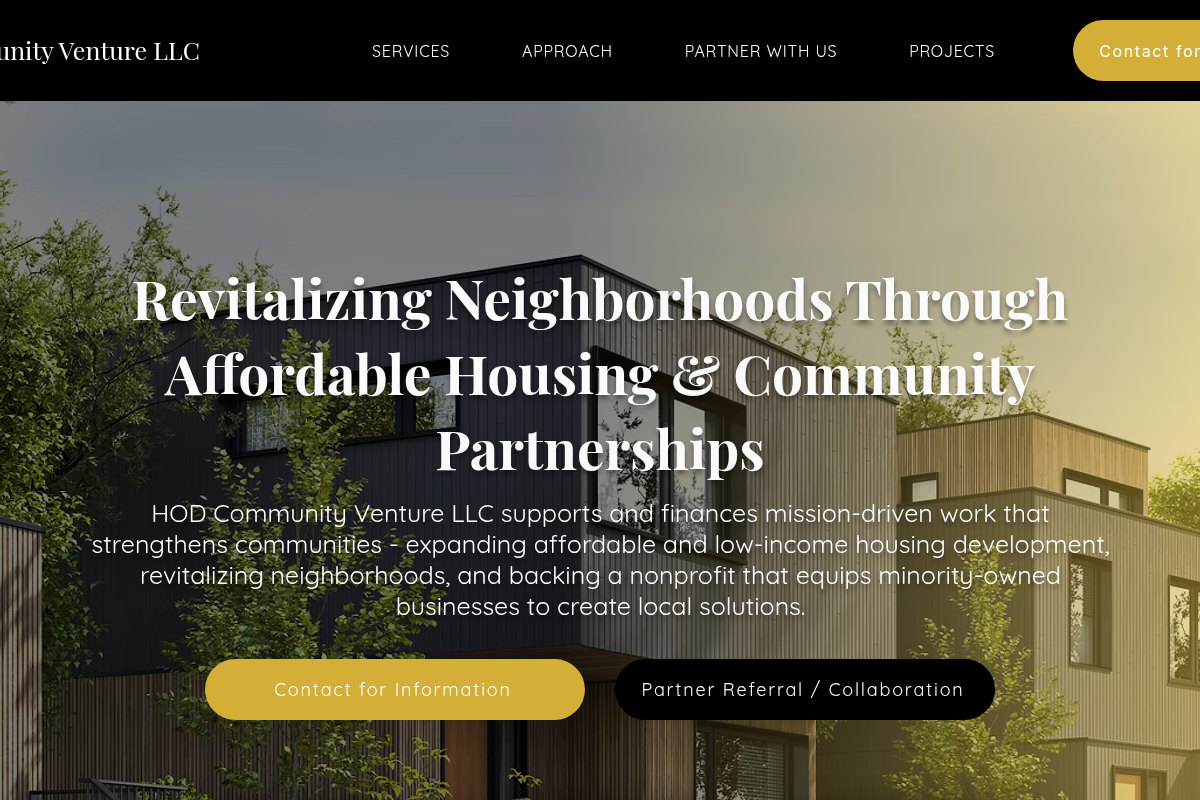 A screenshot of the HOD Community Venture website.
HOD Community Venture LLC is a focused community development organization dedicated to strengthening Detroit neighborhoods through targeted affordable housing initiatives. They actively partner with hospitals, government agencies, and nonprofits to create collaborative solutions that address local housing shortages. By prioritizing partnerships with minority-owned businesses, they ensure that economic development benefits the community directly. Their approach is rooted in mission-driven work that seeks to stabilize and revitalize under-resourced areas. They provide a vital link between investment capital and neighborhood-level needs.
Key Focus Areas:
- Pro: Deep commitment to minority-owned business partnerships.
- Con: Limited public information on historical project volume.
- Pricing: Custom quote
#2 Vanguard Community Development Corporation
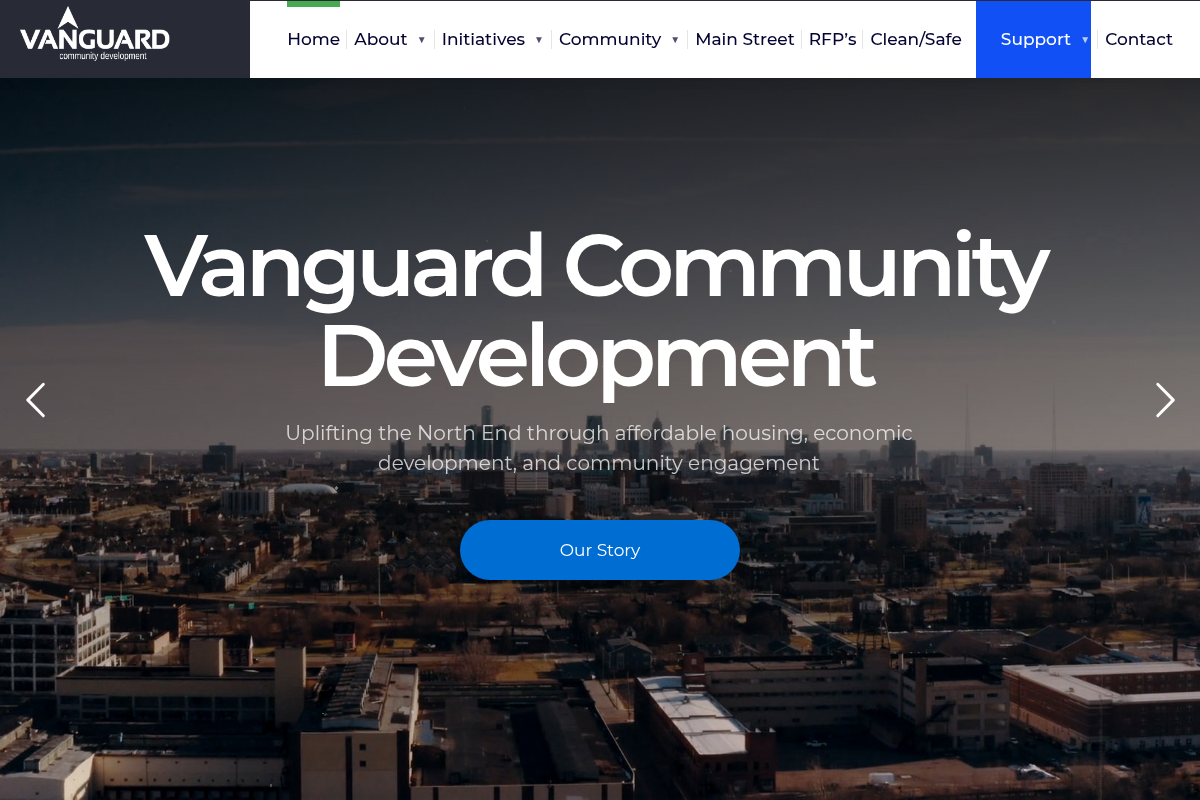 A screenshot of the Vanguard Community Development Corporation website.
Vanguard has been a driving force in Detroit's historic North End for over three decades. They specialize in data-driven housing development, having successfully delivered over 236 quality residential units. Their strategic approach integrates housing development with economic growth to strengthen the local business district. By focusing on strategic neighborhood advancement, they have positioned the North End as a model for sustainable growth. They are a trusted partner for developers and residents alike.
Key Focus Areas:
- Pro: Proven track record of over 30 years in the North End.
- Con: Geographically focused primarily on the North End.
- Pricing: Custom quote
#3 LISC Detroit
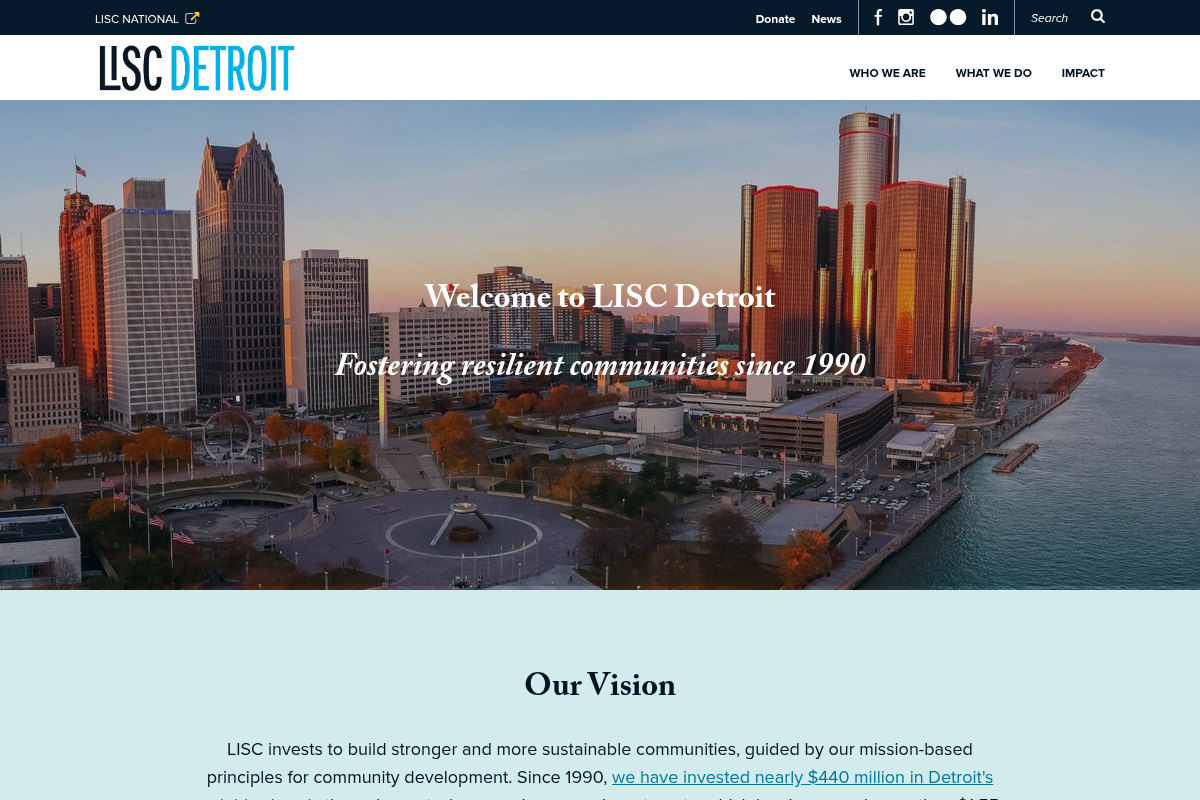 A screenshot of the LISC Detroit website.
As a major intermediary, LISC Detroit leverages massive corporate and philanthropic resources to fuel neighborhood transformation. They have invested hundreds of millions into Detroit, supporting affordable housing, small business growth, and workforce development. Their Housing for the Future Fund is a key example of how they scale impact by partnering with local developers. They provide the technical assistance and capital necessary to close systemic wealth gaps. Their reach is citywide, making them a cornerstone of Detroit's development ecosystem.
Key Focus Areas:
- Pro: Unmatched ability to leverage national and local funding.
- Con: Large organizational structure can feel less personal than grassroots groups.
- Pricing: Custom quote
#4 Dream of Detroit
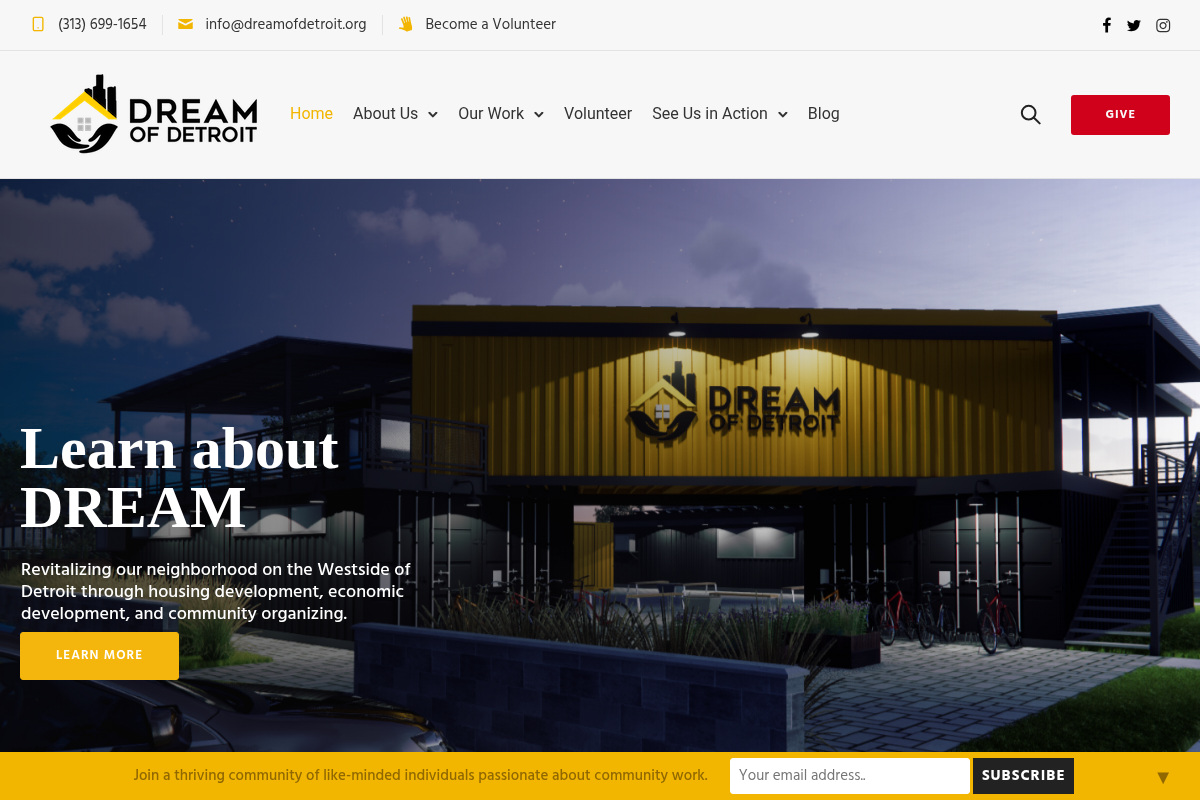 A screenshot of the Dream of Detroit website.
Dream of Detroit combines grassroots community organizing with strategic land development to build healthy neighborhoods. They are notable for their adoption of the community land trust model, which ensures long-term affordability for residents. By operating out of the local Muslim Center, they maintain deep, authentic ties to the community they serve. Their work directly counters displacement by providing alternative paths to homeownership. They are a prime example of how small, mission-driven groups can achieve significant local impact.
Key Focus Areas:
- Pro: Strong, authentic community-based governance.
- Con: Smaller scale compared to citywide intermediaries.
- Pricing: Custom quote
#5 Community Development Advocates of Detroit (CDAD)
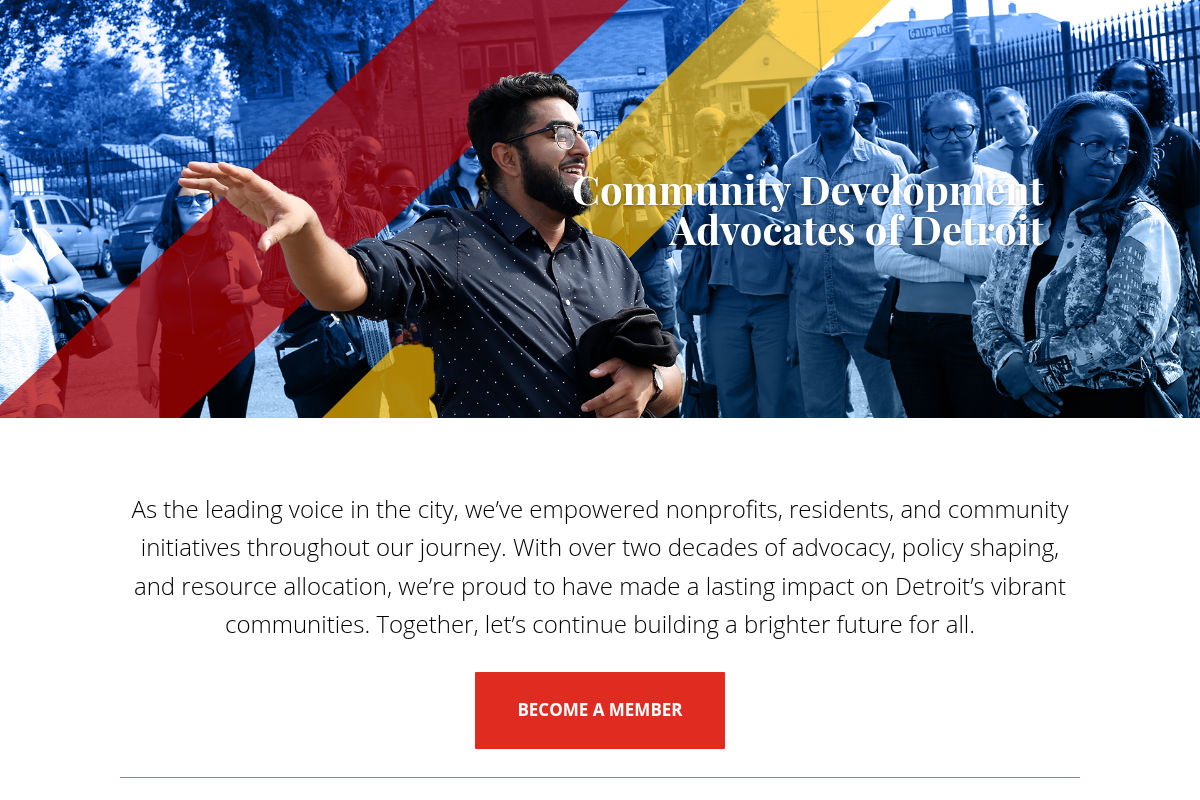 A screenshot of the CDAD website.
CDAD serves as the primary advocacy voice for community development organizations across the city. They focus on policy, legislative, and funding solutions that ensure Detroit residents have access to safe and affordable housing. By partnering with organizations like Wayne State University Law School, they bridge the gap between academic research and neighborhood-level advocacy. They are essential for navigating the complex regulatory environment of Detroit housing. Their work ensures that the needs of local CDOs are represented at the highest levels of government.
Key Focus Areas:
- Pro: Powerful advocacy voice for the entire Detroit CDO sector.
- Con: Focus is on advocacy rather than direct development.
- Pricing: Membership-based
Selecting the right partner
When choosing a community development partner, look for organizations with a proven history in your specific neighborhood. Evaluate their ability to secure diverse funding sources and their commitment to long-term resident engagement. A strong partner should be able to demonstrate how their work prevents displacement while simultaneously fostering economic growth.
The future of community development
While community development is inherently human-centric, modern organizations are increasingly using data analytics to map neighborhood needs and streamline grant management. By automating the tracking of housing inventory and impact metrics, these organizations can spend more time on the ground building relationships and less time on administrative overhead.
The Verdict
Detroit’s community development landscape is vibrant and diverse, offering a range of approaches from large-scale capital deployment to grassroots land trusts. Whether you are a developer seeking a partner or a resident looking for support, these five organizations represent the best of the city's commitment to equitable, sustainable growth. Start by reaching out to those whose mission aligns most closely with your specific neighborhood goals.