
Navigating the landscape of digital mental health can be daunting, but these five AI-driven platforms are setting the standard for accessible, personalized support in 2026. From evidence-based CBT tools to hybrid coaching models, here is how they compare.
What is AI-Driven Mental Health Support?
AI-driven mental health support represents a shift toward on-demand, scalable care that leverages natural language processing to deliver therapeutic guidance. These platforms utilize evidence-based frameworks like Cognitive Behavioral Therapy (CBT) to help users manage stress, anxiety, and daily emotional challenges. While they are not replacements for clinical crisis intervention, they offer a vital bridge for those seeking immediate, non-judgmental support outside of traditional therapy hours.
How We Vetted These Providers
We ranked these providers based on four core pillars: clinical foundation, transparency in AI usage, user accessibility, and the strength of their human-in-the-loop support models. Our analysis prioritized platforms that demonstrate clear ethical safeguards and have published research validating their effectiveness in reducing symptoms of anxiety and depression.
Here is a quick look at how the top five platforms compare across key service metrics.
| Provider | Best For | Pricing |
|---|---|---|
| Wysa | Clinical-grade CBT support | Free for AI tools; Premium coaching plans available |
| Woebot Health | Structured CBT-based self-care | Free core functionality |
| Youper | Emotional pattern tracking and insights | Free core features; Premium subscription available |
| The Path: AI Therapy & Coaching | Goal-oriented mental health coaching | Free 24/7 access |
| Headspace (Ebb) | Combining AI talk therapy with mindfulness | Subscription-based via Headspace |
The 5 Best AI Therapy & Coaching Platforms in 2026
#1 Wysa
 A screenshot of the Wysa website.
Wysa is a global leader in AI-driven mental health, utilizing a conversational penguin chatbot to guide users through over 150 evidence-based exercises. It stands out for its FDA Breakthrough Device Designation, which underscores its clinical rigor for chronic pain-related mental health. The platform seamlessly blends anonymous AI chat with an optional hybrid model, allowing users to connect with human coaches when they need deeper support. It is designed to bridge the gap between daily self-care and professional intervention through its structured, programmatic approach. Wysa’s ability to scale accessible care while maintaining high standards for user privacy has made it a top choice for both individual users and enterprise programs.
Service Breakdown:
- Pro: Extensive peer-reviewed clinical validation
- Con: Premium coaching can be expensive for some users
- Pricing: Free for AI tools; Premium coaching plans available
#2 Woebot Health
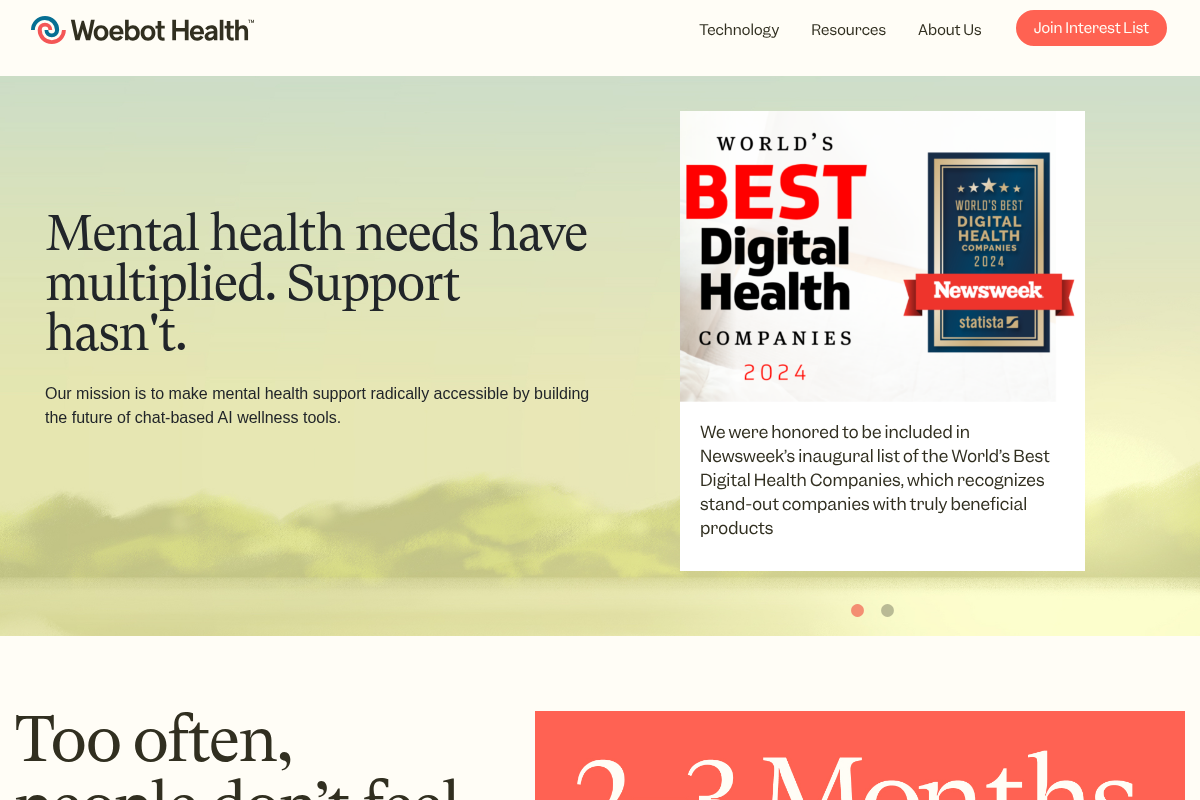 A screenshot of the Woebot Health website.
Developed by clinical psychologists at Stanford, Woebot provides a fully-automated, chat-based mental health ally. It excels at delivering structured CBT interventions through a conversational interface that feels remarkably personal. The platform is highly regarded for its rigorous adherence to safety protocols, including advanced detection of concerning language. Users benefit from daily check-ins and mood tracking that adapt to their specific needs. It is best suited for individuals who want a consistent, research-backed companion for managing mild to moderate anxiety symptoms.
Service Breakdown:
- Pro: Strong focus on evidence-based clinical rigor
- Con: Limited personalization compared to human-led platforms
- Pricing: Free core functionality
#3 Youper
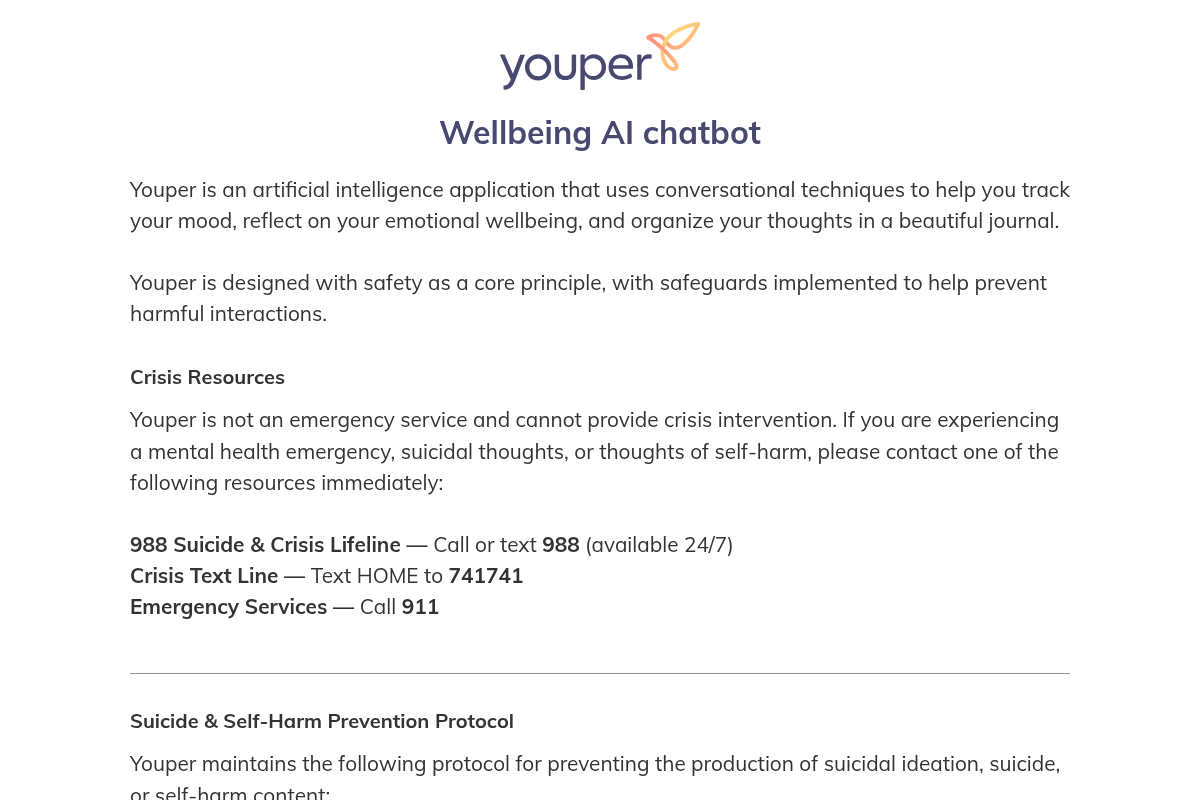 A screenshot of the Youper website.
Youper functions as an AI-powered emotional health assistant that focuses on pattern recognition and personalized insights. By utilizing data from daily check-ins, the platform helps users identify emotional triggers and track their mental wellness progress over time. Research validated by Stanford suggests that its approach is effective in reducing symptoms of anxiety and depression. It is particularly popular for users who value data-driven feedback and actionable self-awareness exercises. The platform's interface is designed to make complex therapeutic concepts accessible and easy to implement in daily life.
Service Breakdown:
- Pro: Excellent user interface for mood tracking
- Con: Some advanced features gated behind subscription
- Pricing: Free core features; Premium subscription available
#4 The Path: AI Therapy & Coaching
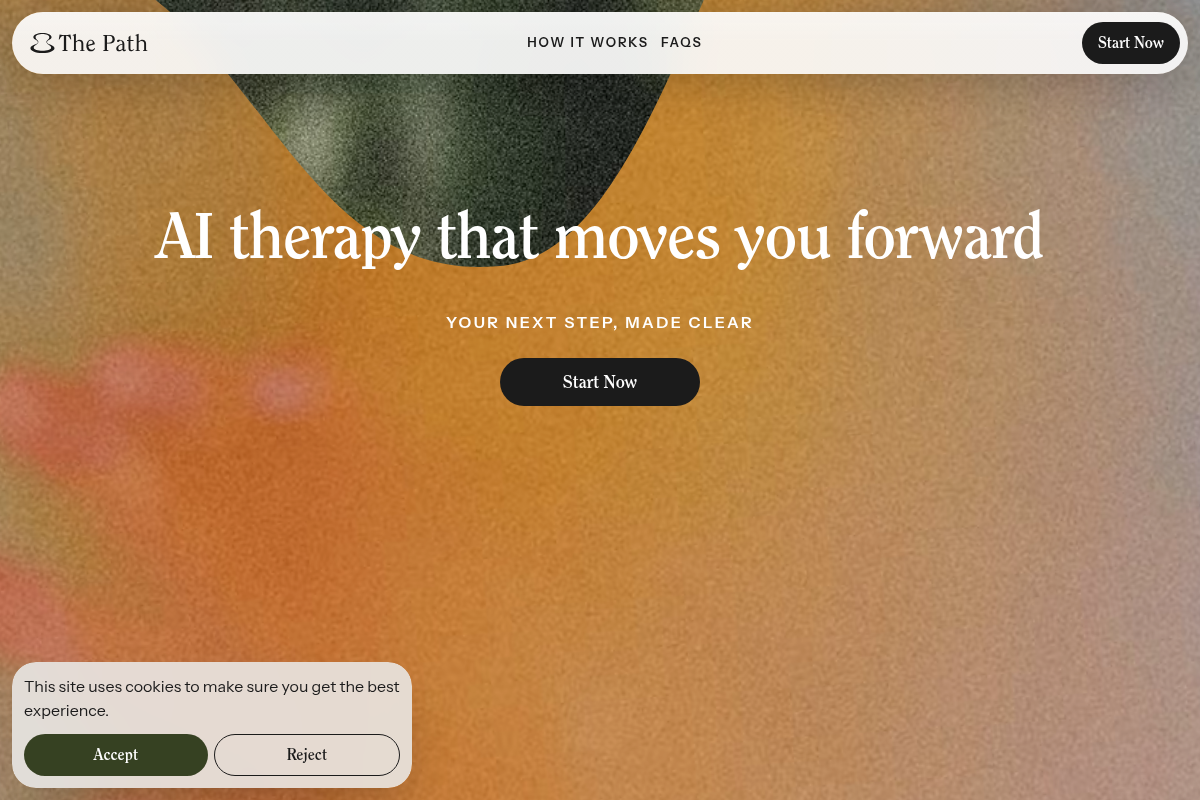 A screenshot of the The Path: AI Therapy & Coaching website.
The Path offers a streamlined, goal-oriented approach to AI therapy and coaching that prioritizes clarity and calm. It provides 24/7 support by combining AI-driven guidance with a focus on human oversight, ensuring that users feel challenged when necessary. The platform is designed for those who want a personalized mental health journey that is available anytime, anywhere. Its interface is intentionally minimalist to reduce distraction during moments of stress. By focusing on specific, actionable goals, it helps users navigate complex life situations with structured, AI-assisted support.
Service Breakdown:
- Pro: Minimalist, distraction-free user experience
- Con: Less extensive clinical research library than industry giants
- Pricing: Free 24/7 access
#5 Headspace (Ebb)
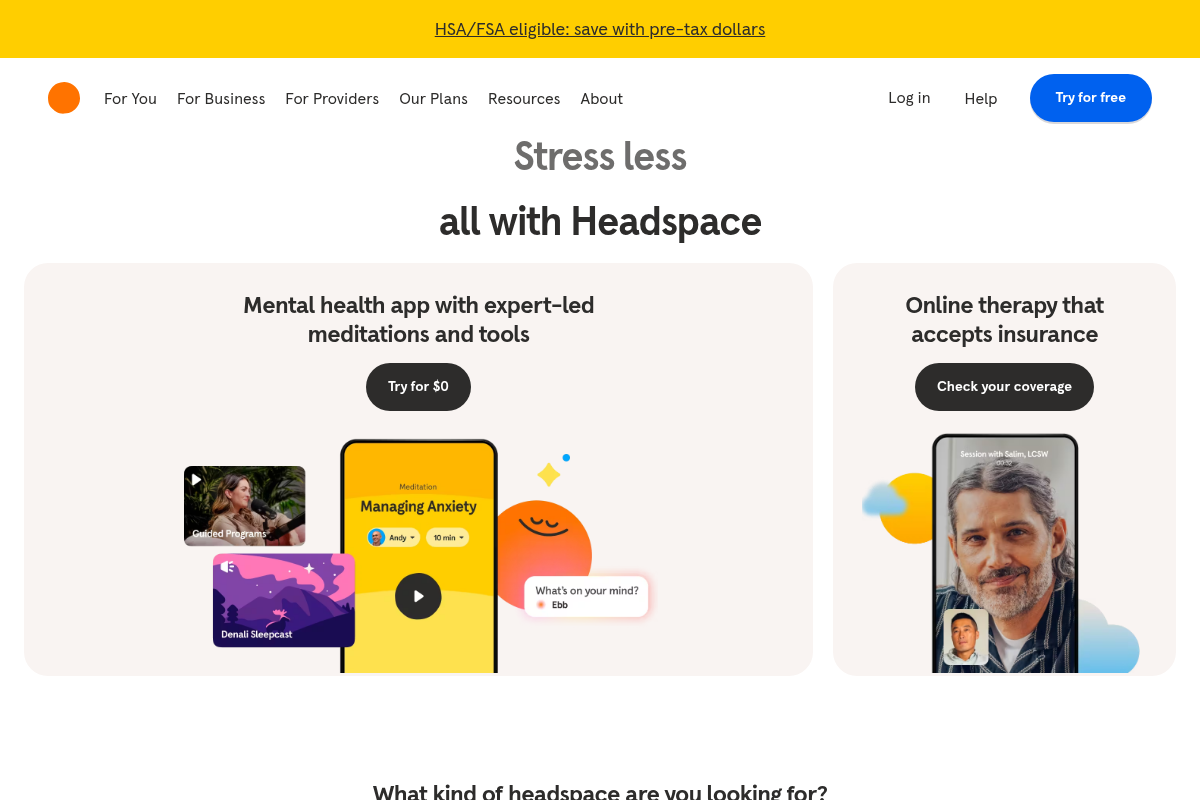 A screenshot of the Headspace website.
Headspace has successfully integrated its meditation expertise with AI through its Ebb companion. It bridges the gap between talk-based AI support and mindfulness practice, recommending specific meditations based on the user's emotional state. This integrated approach is ideal for users who are already familiar with the Headspace ecosystem and want a more interactive, two-way conversational experience. While less focused on clinical CBT than other options, it excels at providing immediate calm and perspective. It is a top-tier choice for those who want to combine talk-therapy techniques with established mindfulness routines.
Service Breakdown:
- Pro: Seamless integration with existing meditation library
- Con: Primarily focused on wellness rather than clinical therapy
- Pricing: Subscription-based via Headspace
Selecting the Right Partner
When choosing an AI mental health platform, always verify the company's privacy policy and clinical validation. Ask yourself if you need a daily habit-tracking companion or a crisis-aware tool that can escalate to human support. Start with free tiers to test the conversational style, as the most effective tool is the one you will actually use consistently.
Automating Your Mental Wellness
The beauty of these platforms lies in their ability to automate the 'check-in' process, ensuring you stay consistent without the burden of scheduling. By integrating these apps into your morning or evening routine, you create a low-friction habit that provides immediate, actionable feedback based on your specific emotional patterns.
The Verdict
AI-driven therapy is not a replacement for professional clinical care, but it is a powerful, accessible tool for daily maintenance and skill-building. Whether you choose the clinical rigor of Wysa or the goal-oriented approach of The Path, these platforms offer a modern way to prioritize your mental health on your own terms. We recommend testing a few options to see which conversational style resonates best with your personal needs.