When Mariah Romero, the owner of Graceful Hands Birth Services, tells people she is a doula, she often gets the same reaction: “Oh, so you’re like a midwife?” It’s a common misconception, and one that shapes how families approach birth support. In Las Vegas, where birth options range from hospital to home, understanding the difference can help you make better choices for your birth team.
A midwife is a trained medical professional who can manage clinical aspects of pregnancy, labor, and delivery. A doula, on the other hand, is not a medical provider. As Romero explains, “Most people think Doulas are midwives. We are only a support system physically and mentally.” That distinction is crucial. Doulas do not perform exams, deliver babies, or make medical decisions. Instead, they fill a different, equally important role: continuous, non-clinical support.
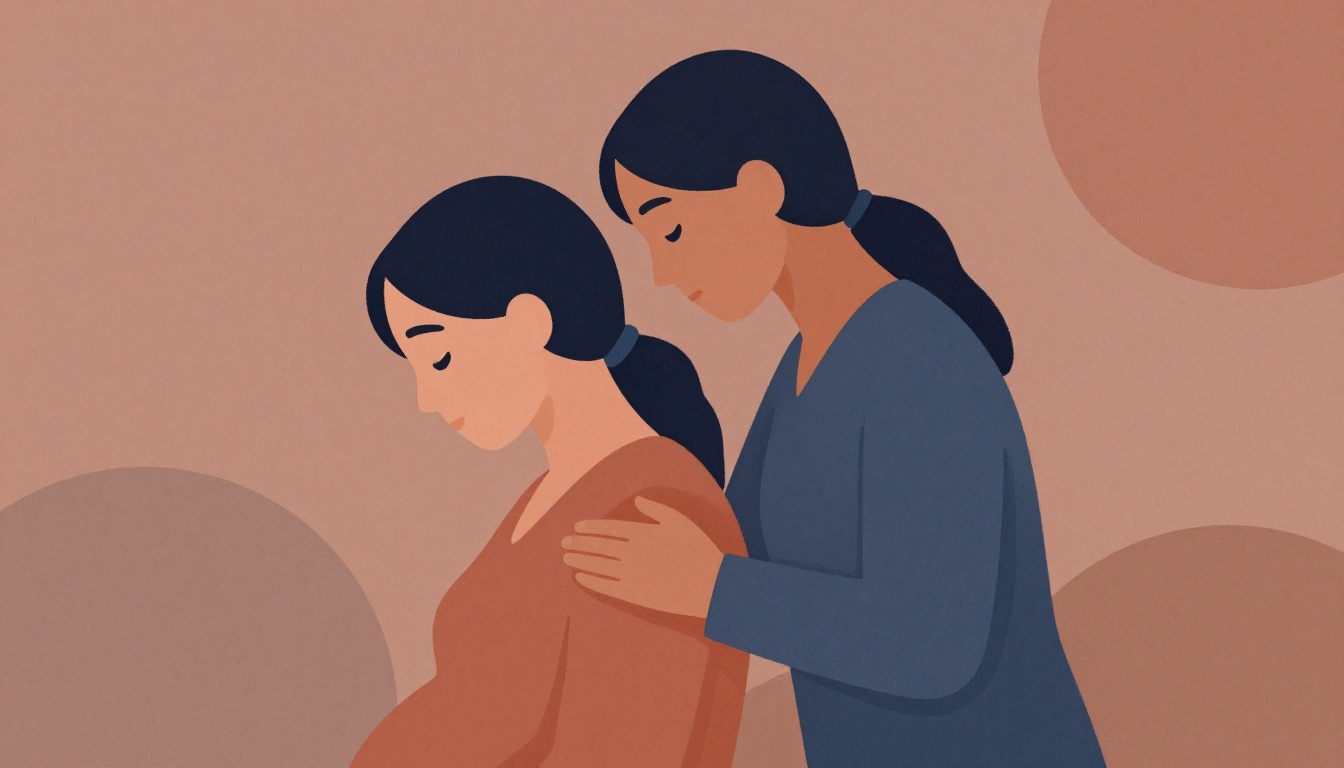
So what does that support actually look like in practice? Physically, a doula helps with comfort measures during labor—positioning, breathing techniques, massage, and suggesting movement that can ease pain and help labor progress. They also help partners get involved, showing them how to offer effective support. Mentally, a doula provides reassurance, information, and a calm presence. They help you understand what is happening, advocate for your preferences, and reduce anxiety, which can have a real impact on birth outcomes.
Research supports this. Studies have shown that continuous labor support—like what a doula provides—can lead to shorter labors, fewer cesarean births, and less need for pain medication. A Cochrane review found that continuous support was associated with improved outcomes for both mother and baby. That’s not because doulas are doing medical work, but because their presence helps mothers feel safer and more in control.
Another common misunderstanding is that doulas replace partners. In reality, doulas work with your partner. They don’t take over; they guide and support the whole team. If your partner is unsure how to help, a doula can show them. If your partner needs a break, a doula can step in. This collaborative approach strengthens the birth experience rather than diminishing anyone’s role.
It’s also worth noting that doulas are not just for unmedicated births. Whether you plan an epidural, a hospital birth, or a home birth, a doula can support you. They help you navigate unexpected changes, provide emotional grounding, and ensure you feel heard by medical staff. The American Pregnancy Association emphasizes that doulas offer physical, emotional, and informational support—not clinical care.
For families in Las Vegas, choosing a doula means adding a layer of support that medical staff often cannot provide due to time constraints. Nurses and doctors are focused on clinical safety; a doula is focused on your comfort and confidence. That’s why Romero’s work at Graceful Hands Birth Services is so valuable—it fills a gap that many families don’t realize exists until they’re in the delivery room.
So, if you’re expecting and wondering whether a doula is right for you, remember: they are not mini-midwives. They are your physical and mental support system, there to help you feel empowered, informed, and cared for. That’s a role no one else quite fills.