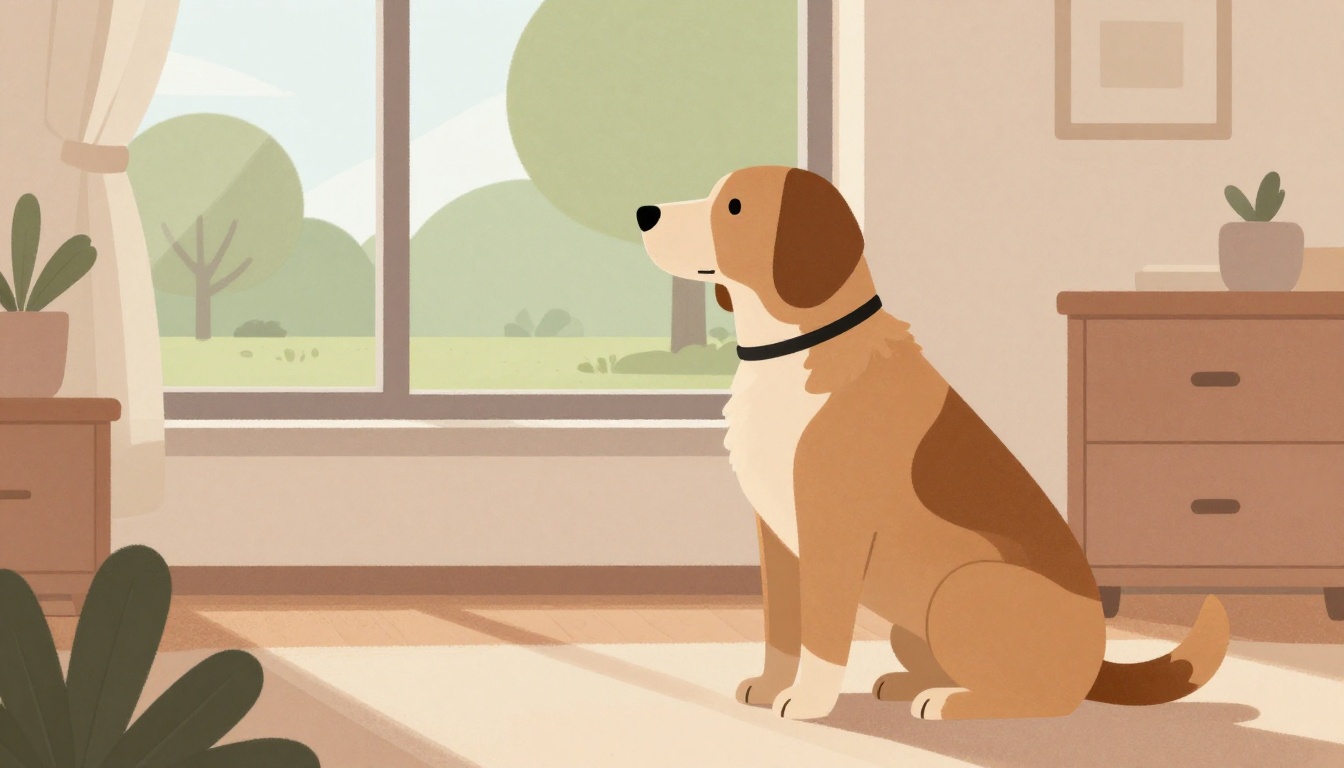
Off-leash freedom is the dream of many dog owners: a dog that walks beside you without a leash, comes when called, and stays focused even with distractions. But for most, that dream turns into frustration, or worse, a dangerous situation. What do most dog owners get wrong about off-leash training? According to Adam and Courtney, the trainers behind Open Gates Training, the problem starts long before you ever unclip the leash.
Many owners don’t concentrate on mastering obedience in the home and yard before expecting it on a trail or at a park. This is the core mistake. We want to skip ahead to the exciting part—the wide-open spaces—without putting in the boring, repetitive work in a controlled setting. But off-leash reliability is not a trick you teach; it’s a habit you build. And habits are built in the place where your dog is most comfortable and least distracted: your living room, your hallway, your backyard.
Why the Home and Yard Matter
Think of your home as the classroom and the yard as the practice field. Before a student takes a final exam, they study in a quiet room. The same logic applies to dogs. If your dog cannot consistently sit, stay, and come when called in your kitchen, with no other dogs or squirrels around, how can you expect them to do it at a park full of smells and movement?
Adam and Courtney emphasize a gradual progression. They begin by on leash training in home and yard, until the dog is reliable verbally, then transition to more distracting environments away from the home. This is not just about teaching commands; it’s about teaching your dog to listen to you before they get excited. The leash is not a punishment—it’s a safety line that allows you to correct and reward without letting the dog rehearse bad behavior.
The Danger of Skipping Steps
When you skip this foundation, you set your dog up to fail. You take them to a trail, unclip the leash, and call them. They might come once or twice, but then a deer runs by, and they’re gone. You’ve just taught them that ignoring you is possible and even rewarding. This is how dogs get lost, hit by cars, or into fights with other animals.
The American Kennel Club notes that off-leash training requires a solid recall, which is built through consistent practice in low-distraction environments first. Similarly, the ASPCA recommends starting recall training indoors and gradually adding distractions. These experts agree with Adam and Courtney’s approach: slow and steady wins the race.
How to Do It Right
If you want off-leash reliability, follow this simple roadmap:
- Master on-leash obedience at home. Use a standard leash or a long line. Practice sit, down, stay, and come. Reward every success. Keep sessions short but frequent.
- Move to the yard, still on leash. The yard has more distractions (smells, birds, neighbors). Your dog must learn to focus on you even when the world is interesting.
- Only when your dog is reliable verbally—meaning they respond to your voice without a physical cue—can you consider off-leash work. This is the threshold Adam and Courtney use. If your dog still needs a gentle tug to sit, they are not ready.
- Gradually increase distractions. Once your dog is solid in the yard, try a quiet park or a fenced field. Keep the leash on for a while longer, or use a long line as a safety net. Then, and only then, try off-leash in a safe, enclosed area.
The Payoff
This method takes patience, but it works. When you finally unclip the leash, you’ll have a dog that checks in with you, comes when called, and stays close. That’s not magic—it’s the result of building a strong verbal foundation. As Adam and Courtney put it, the goal is to have a dog that is reliable verbally, not just when you have a treat in your hand or a leash on their collar.
So, before you head to the trail, ask yourself: Is my dog reliable in my living room? If not, go back to basics. Your future off-leash adventures depend on it.