The Invisible Cost of a Bad Restaurant Website
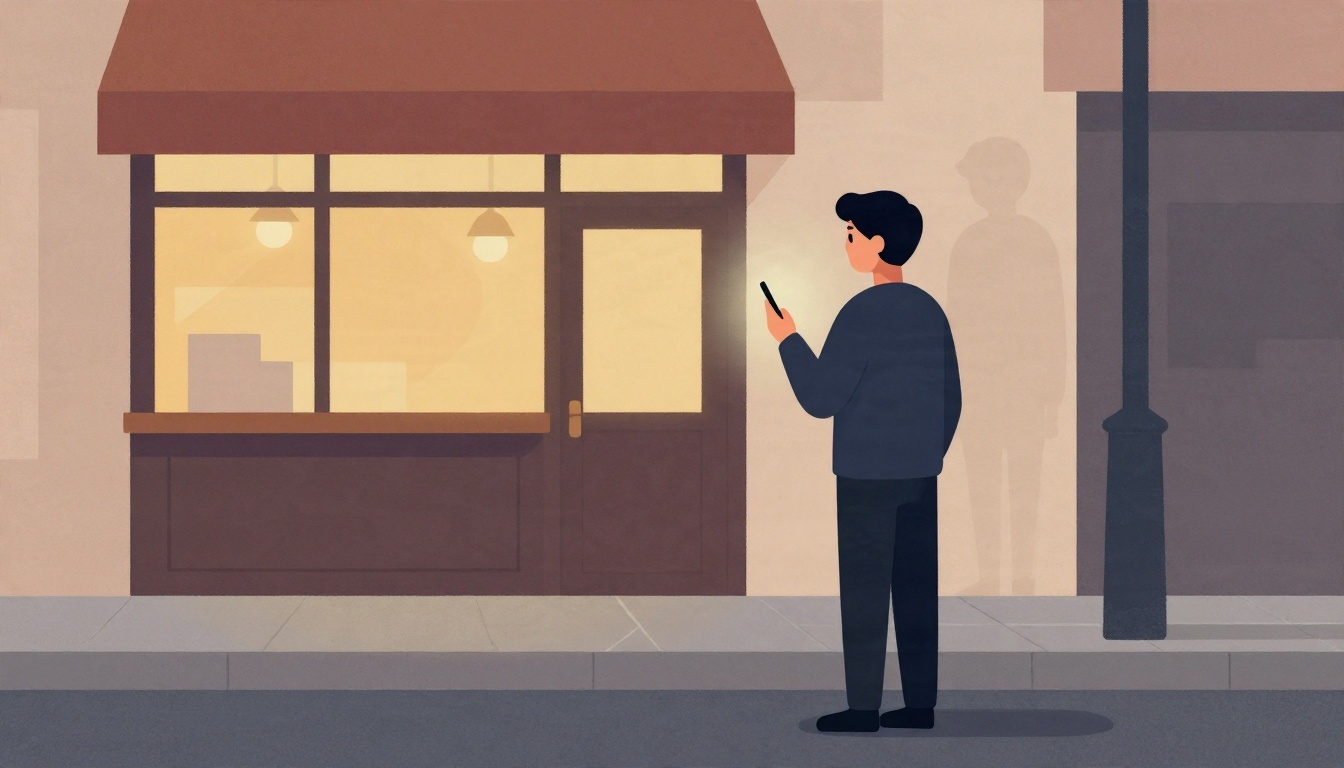
Most conversations about restaurant websites start with design. Maks, a software engineer and the founder of Nightcap Digital, starts somewhere else: the guest standing on the sidewalk, phone in hand, deciding whether to walk in.
Nightcap Digital builds and runs websites for bars, restaurants, breweries and distilleries across Chicagoland. Maks also runs the Craft Whiskey Collective, a whiskey community where he picks barrels with distilleries — which means he spends plenty of nights in bars and tasting rooms, looking at their sites the way a guest does.
That perspective shapes how he talks about what a website actually costs when it goes wrong.
The cost nobody reports
Asked when an owner comes to him after a template or DIY site has already cost them something, Maks pushes back on the premise.
"Honestly, they don't come to me after. That's what makes a bad restaurant website expensive: the cost is invisible. Nobody calls to tell you they skipped your place."
He describes the scenario plainly: a guest checks the hours from the car, sees the restaurant closes at 9 when it actually closes at 11, and drives somewhere else. The owner never hears about it. "You just had a slow Tuesday."
From the guest's side, the failures are specific and repetitive. Hours that don't match Google. A menu that's a PDF from last spring, requiring a pinch and a zoom to read. A phone number that rings a line nobody picks up. "None of it looks like a problem from behind the bar," Maks says. "From the sidewalk, it's the difference between walking in and walking past."
That gap, he says, is why he started Nightcap Digital.
What builder pages leave out
Template and builder marketing tends to sell the launch. Maks argues the more important question is what happens months later.
"Every restaurant site is accurate the week it goes up. The real question is whether it's still accurate in March."
His test is practical: the special changes at 4pm on a Friday. If the login belongs to a manager who has left, or the editor only works on a laptop in the office, nobody updates the menu and it drifts out of date. "If the person running the floor can't change a price from their phone in two minutes, the site will be wrong within a month."
He also points to the Google Business Profile as a second front door. Many guests see the listing before they ever see the website, and when the hours disagree between the two, people don't know which to trust. "They pick the place that isn't confusing them."
Then there's ownership — the part he says is most often overlooked. Domains registered to a cousin, a former manager, or an agency that stopped answering. "That works until a renewal fails and the site disappears on a Saturday." His position is direct: the domain, the Google Business Profile, and the reservation and ordering accounts should all be in the owner's name.
What owners decide too quickly
According to Maks, the common mistake is judging a website by how the homepage looks on a laptop — a hero video, nice type, a beautiful cocktail photo.
"Your guests aren't on a laptop. They're on a phone, standing outside or in the passenger seat, deciding fast."
A good site, he says, puts four things in front of that guest immediately: hours, address, menu, and the one button that matters — reserve, order, or call.
Before choosing a builder, he suggests owners run four checks on their own phone:
- Can you reach hours, address, menu and the main button in one tap each?
- Can you change a menu price from your phone in under two minutes? Ask to be shown, not told.
- Is the domain registered in your name, on your account?
- When the site breaks at 9pm on a Saturday, who do you text, and what does that cost?
"If any answer is 'it depends' or 'I'm not sure,' keep looking."
The takeaway
The through-line in Maks's answers is that a restaurant website is less a design project than an operational one. The failures that cost bookings are quiet — stale hours, unreadable menus, a domain nobody controls — and they rarely generate a complaint. The owners who avoid them are the ones who test the site the way a guest uses it, and confirm they can fix it themselves before they need to.