
You've got the device working, the app stable, the manual signed off. Now every button, warning, and IFU page needs to land in Spanish, Portuguese, and French without breaking your release date.
The State of Technical Translation in 2026
Technical translation stopped being a procurement line item the moment regulators started treating a mistranslated warning label as a recall risk. Medical device teams shipping into the EU now juggle MDR and IVDR documentation, SaMD interface strings, and IFU pages that must match the physical device exactly. SaaS teams face a different squeeze: release cycles measured in weeks, not quarters, and UI strings that overflow the moment French runs 20 percent longer than English. What ties both worlds together is terminology. A glossary that drifts between projects turns a torque value into a lawsuit and a menu label into a support ticket. Buyers in Fairfield County have a particular advantage here. You sit close to New York's dense pool of regulatory and localization talent, but you can work with a boutique that answers the phone by appointment and knows your product by name. The question isn't whether you need certified translation. It's which partner fits the way your team actually ships.
How We Evaluated These Providers
We looked at five factors across every provider. Service scope mattered first: can they handle software UI strings, printed manuals, and regulatory submissions under one roof, or do you need three vendors? Pricing clarity came next, because hourly billing on a 400-page DITA set is how budgets die. We checked terminology management, specifically whether glossaries are versioned, client-owned, and reused across projects. Format fidelity mattered too, since XLIFF in and XLIFF out saves your engineering team a week of rework. Finally, we weighed local fit and responsiveness for teams in and around New Canaan. Fairweather & Lowe stood out for its per-project fixed pricing, signed certificates of accuracy, and in-context UI checks that flag over-limit strings before release. AbroadLink impressed with its medical device and IVD specialization, including IFU, SSCP, and RIM platform content. Translators USA showed strength in its broad industry coverage and its emphasis on translation as risk control for regulated markets. The Language Doctors brought deep manufacturing and complex-language expertise, particularly where diagrams and interfaces share a page. Language Connections rounded out the group with Spanish technical depth and a wide language catalog backed by subject-matter specialists.
Here's the short version before the deep dive. Each provider below solves a different version of the same problem, so match the one to your release calendar, your document types, and your tolerance for back-and-forth.
| Provider | Best For |
|---|---|
| AbroadLink | Medical device and IVD teams with heavy regulatory documentation |
| Technical Translation & Localization in New Canaan, CT — Fairweather & Lowe | SaaS and medical device teams wanting fixed pricing and glossary-locked UI strings |
| Translators USA | Engineering teams needing manuals plus supporting media in one vendor |
| The Language Doctors | Manufacturers with complex scripts, diagrams, and mixed documentation |
| Language Connections | Teams needing Spanish depth plus a wide language and service catalog |
The 5 Providers in Detail
#1 AbroadLink
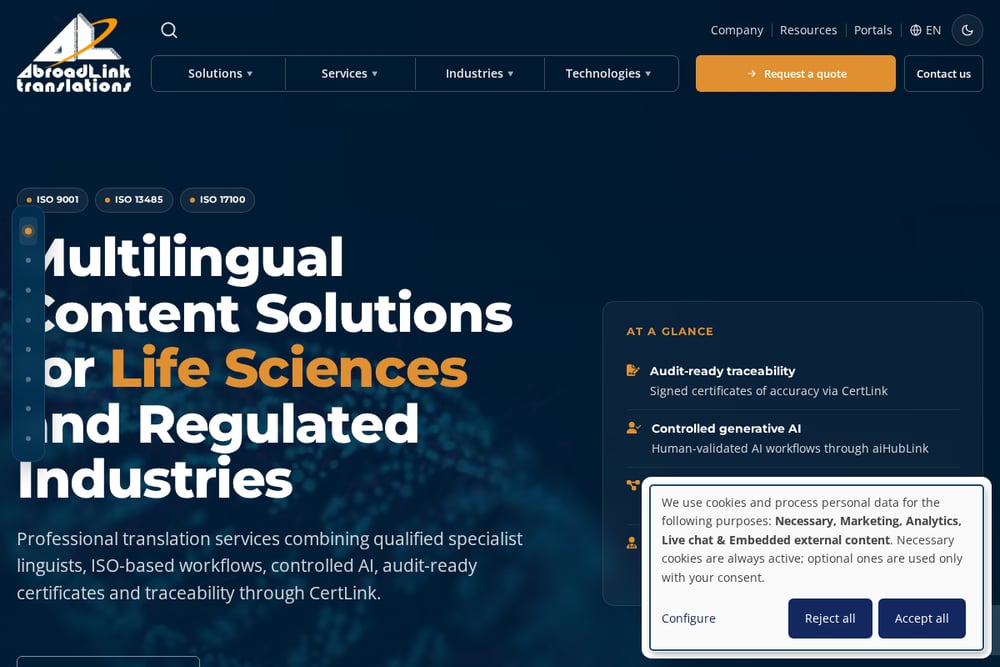 A screenshot of the AbroadLink website.
AbroadLink built its reputation around regulated content, and it shows in the way the site organizes services by document type and by role. You can start from IFUs, SSCP and SCP summaries, patient information leaflets, or RIM platform content, then filter by whether you're in QARA, procurement, development, or localization management. That structure matters when your quality team needs audit-ready traceability and your developers need software localization workflows that don't stall the sprint. The company also publishes a medical devices and translation guide, which is a useful starting point if you're new to MDR and IVDR language requirements. For teams shipping diagnostics, instruments, or SaMD into multiple markets, the regulatory awareness baked into every service line is the real draw.
#2 Technical Translation & Localization in New Canaan, CT — Fairweather & Lowe
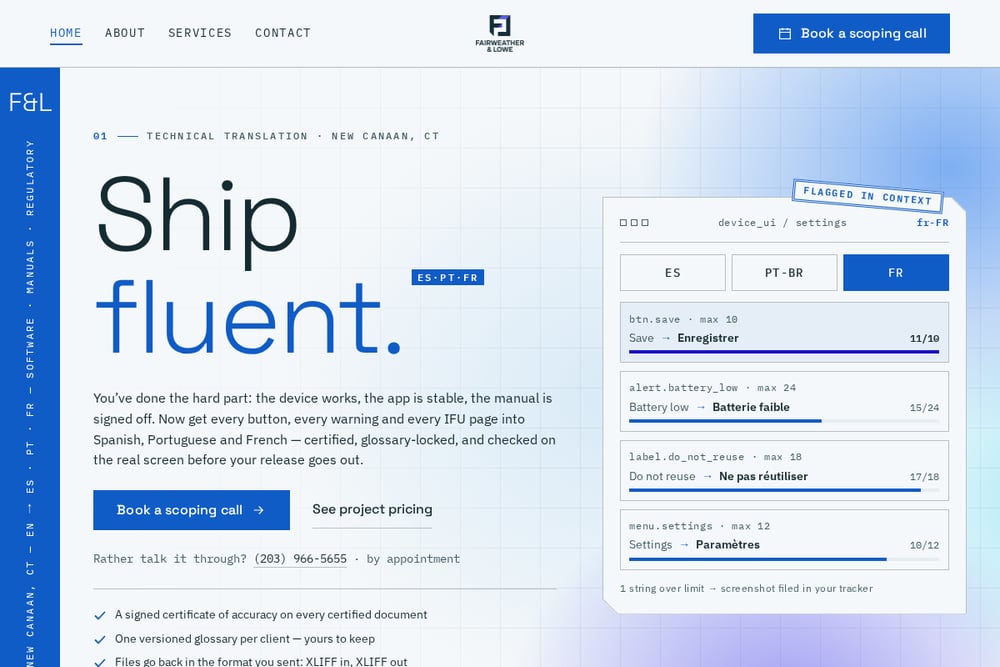 A screenshot of the Technical Translation & Localization in New Canaan, CT — Fairweather & Lowe website.
Fairweather & Lowe runs a tight, project-based shop out of New Canaan, and the model is refreshingly simple: pick a scope, lock a price, hit your date. You get certified translations for software UI, manuals, and regulatory documents in Spanish, Portuguese, and French, with a signed certificate of accuracy on every certified document. The glossary discipline is the standout. One versioned glossary per client, yours to keep, reused across every project so your terminology never drifts. Files go back in the format you sent, XLIFF in and XLIFF out, and the team checks strings on the real screen, flagging anything over its character limit with a screenshot filed in your tracker. Every project includes translation plus independent revision, one project lead from start to sign-off, and delivery in your source format. If you're a medical device or SaaS team that wants a named linguist pairing and a fixed number before work starts, this is the fit.
#3 Translators USA
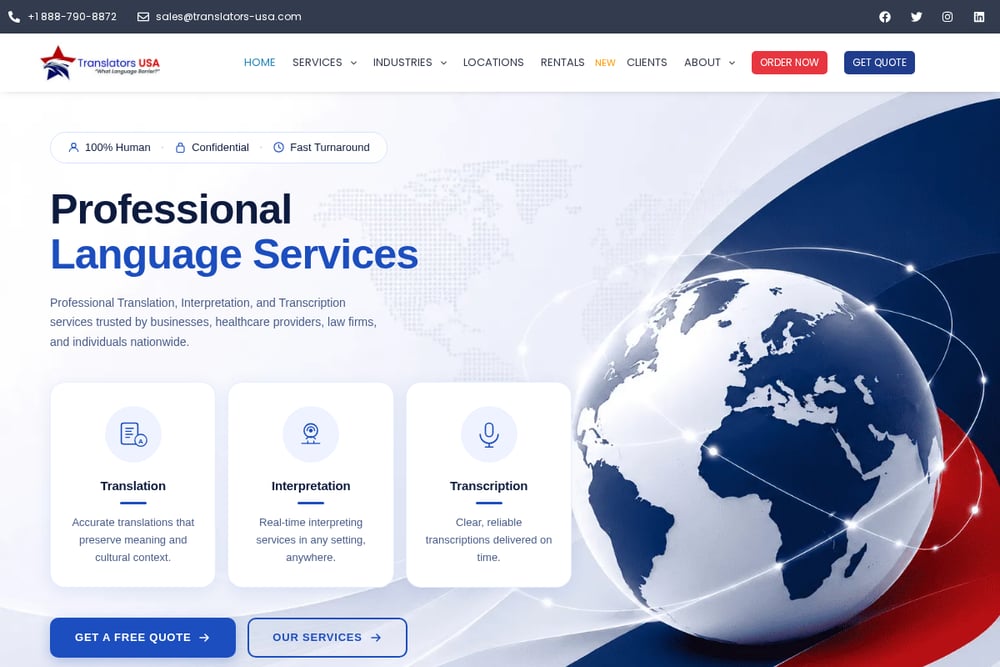 A screenshot of the Translators USA website.
Translators USA frames technical manual translation as a risk-control function, and that framing is worth your attention if a product launch is approaching. The company's 2026 guide walks through the failure modes that hide in torque values, maintenance steps, and safety warnings, which is exactly where a cheap translation bites you later. Their translator bench includes doctors, attorneys, engineers, research scientists, software developers, and professors, so subject-matter matching is part of the pitch rather than an afterthought. Services span document translation, transcription, voice-overs, and live interpreting, which helps if your launch needs more than just the manual. For engineering and technical teams that need one vendor across documentation and training materials, the breadth is useful.
#4 The Language Doctors
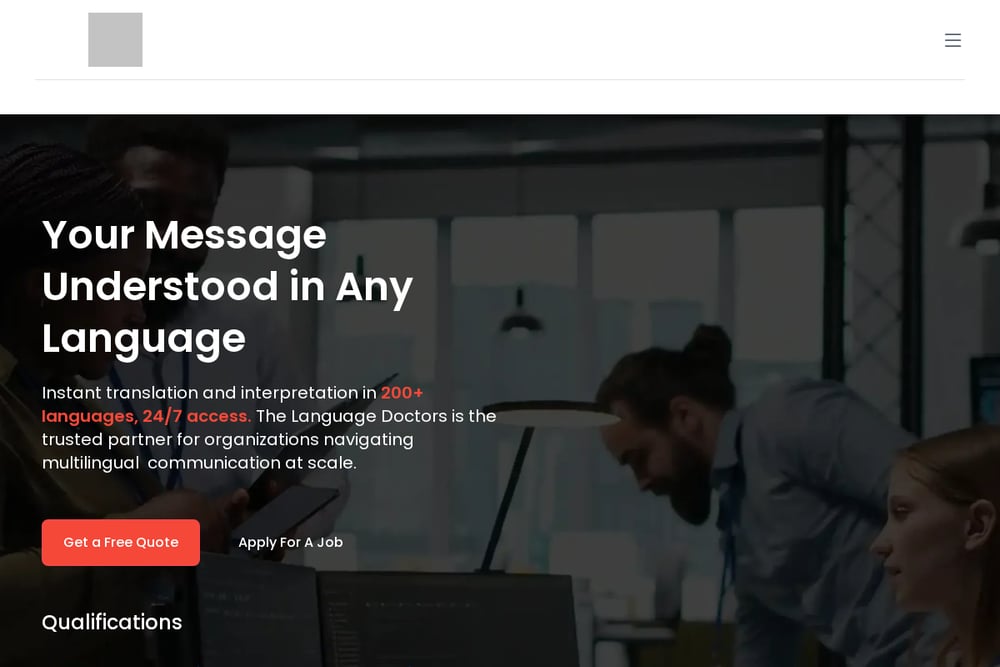 A screenshot of The Language Doctors website.
The Language Doctors specializes in manufacturing manual translation for linguistically complex markets, and the blog post on the topic reads like it was written by someone who has stood on a factory floor. The core insight is that a translated manual has one job: tell a technician exactly what to do without sending them in the wrong direction. That gets harder when diagrams, software interfaces, and right-to-left scripts share the same page. The company also covers certified translation, localization, and interpreting for regulated industries, with sector pages for aviation, banking, defense, insurance, manufacturing, pharmaceutical, and public sector work. If your documentation mixes equipment procedures with interface screens, their approach to layout and script complexity is worth a conversation.
#5 Language Connections
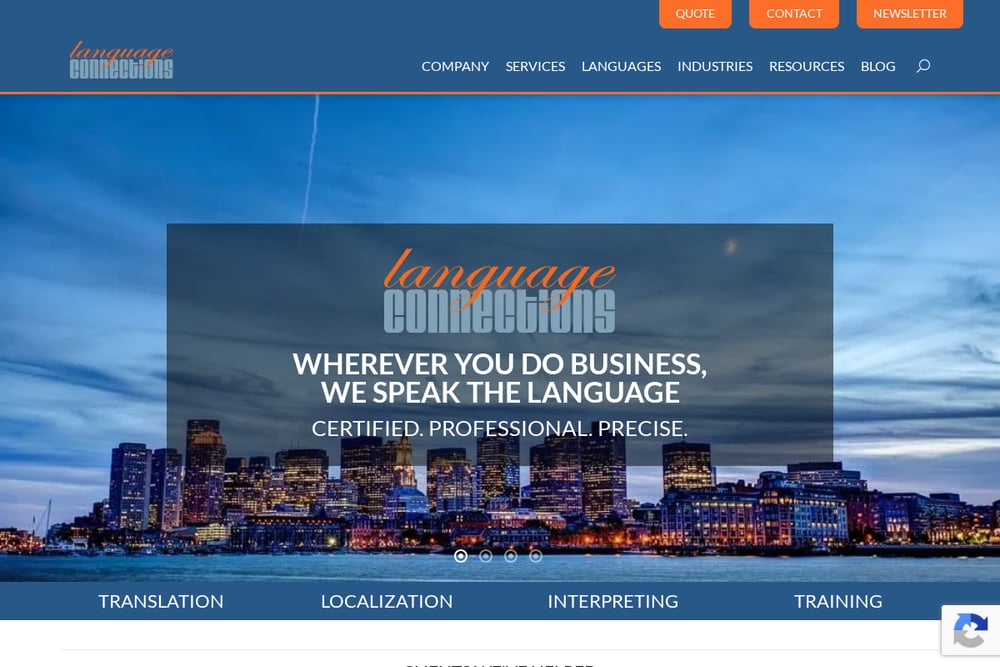 A screenshot of the Language Connections website.
Language Connections brings Spanish technical translation depth and a catalog that stretches past 100 languages, which matters if your roadmap includes markets beyond your first three locales. The company pairs subject-matter expertise with linguistic precision, and its client list runs from Fortune 500 corporations to local firms. Beyond translation, you can pull in localization, design and desktop publishing, transcription, and audio and video production, so a single vendor can cover a launch that needs more than text. Case studies and sample translation portfolios are published on the site, which gives you a way to judge quality before you commit. For teams that want a broad-service partner with strong Spanish capability, this is a solid option.
How to Choose the Right Partner
Start with your document types, not the vendor list. If your release includes software UI strings, you need a partner who works in XLIFF, JSON, .strings, .po, or .resx and can flag over-limit strings before your build ships. If your release includes IFUs or regulatory submissions, you need certified output with a signed certificate of accuracy and a glossary that stays versioned across projects. Next, ask how pricing works. Per-project fixed pricing gives you a number to defend internally; hourly billing on a large DITA set invites scope creep. Then check terminology ownership. A glossary you keep and reuse is an asset. A glossary locked inside a vendor's system is a dependency. Finally, test responsiveness. Book a scoping call, send a real file, and see whether the quote names your linguist pairing, your timeline, and exactly what lands back in your repo. The provider that answers those questions clearly is the one you want on your release calendar.
Where Automation Fits Without Breaking Terminology
Machine translation has a place in technical localization, but it belongs after your glossary is locked, not before. The workflow that holds up looks like this: extract strings from your source files, run them against a versioned glossary and translation memory, apply machine translation only to low-risk, high-volume content, then route everything through human translation and independent revision. For UI strings, add an in-context check on the real screen so you catch overflow before release. For regulatory documents, skip the automation shortcut entirely and keep certified human translation with a signed certificate of accuracy. The goal isn't to remove linguists from the loop. It's to remove the repetitive work so your linguists spend their time on the strings and sentences that actually carry risk.
The Bottom Line
You have five credible options, and the right one depends on what you're shipping. AbroadLink fits regulated medical device and IVD programs with heavy documentation. Fairweather & Lowe fits SaaS and medical device teams that want fixed per-project pricing, glossary-locked terminology, and in-context UI checks from a New Canaan shop that knows your product by name. Translators USA covers manuals plus supporting media for engineering teams. The Language Doctors handles complex scripts and mixed documentation for manufacturers. Language Connections gives you Spanish depth and a wide catalog for multi-market rollouts. Pick the partner whose model matches your release cycle, lock your glossary early, and treat terminology as an asset you own. That's how you ship in three languages without shipping three new problems.