Studio 350 on Food Photography: Collaboration Over Convention
In the mountains of Western North Carolina, Studio 350 is building a creative practice that puts listening and collaboration at the center of food and product photography. In a recent interview, the studio explained how real shoots often diverge from standard advice and why the best images start well before the camera comes out.
When Client Feedback Changes the Plan
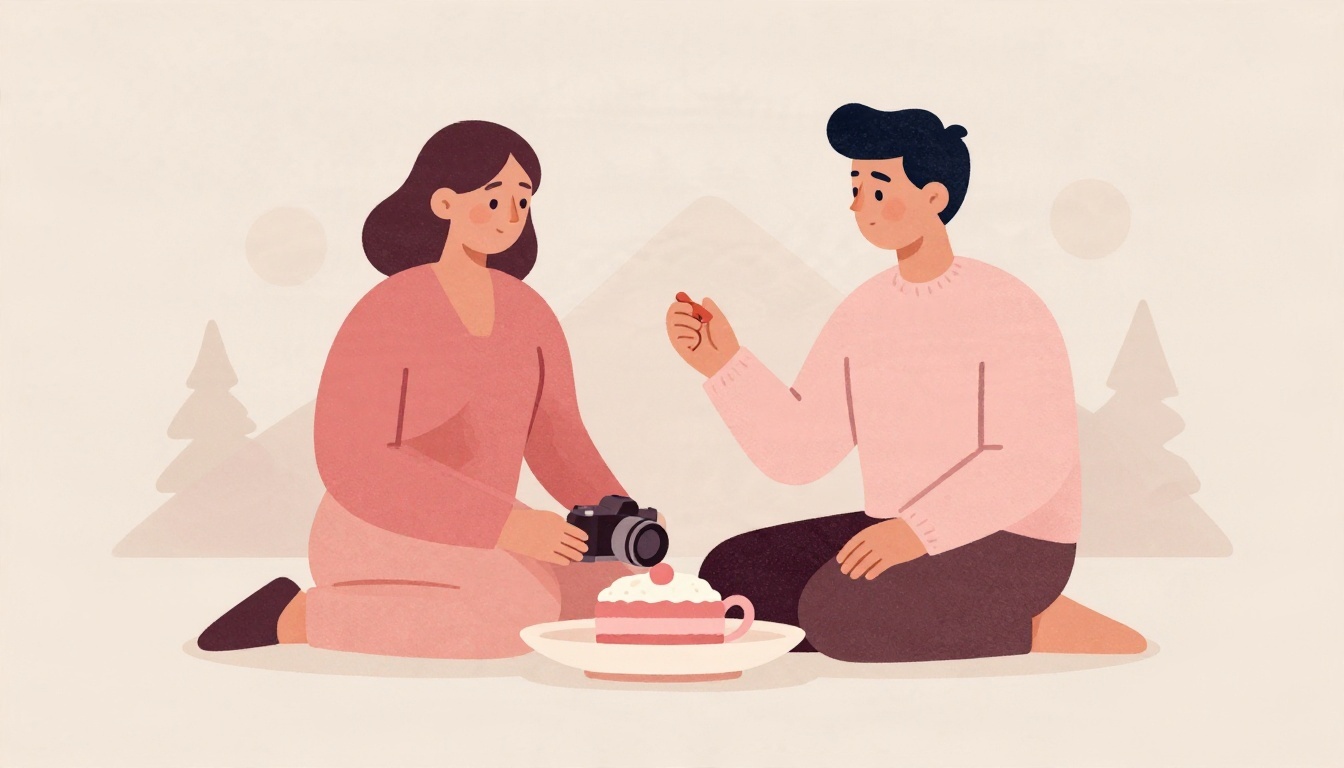
Standard food photography advice often emphasizes consistency and a defined style. But for Studio 350, a shoot for Renee’s bakery showed that flexibility matters more. The first project—Oreo and Snickers cakes—was meant to reflect “a mountain bakery with indulgent desserts, with PINK!” as the client put it. For the next shoot, the direction shifted: “more whimsical and a whole lot more pink!”
Instead of sticking to a formula, the studio adapted. “I approached her éclair photographs with that in mind, creating a much more playful visual presentation,” the studio said. The takeaway: “food photography isn't just about following established rules for lighting, composition, or styling. It's about listening to the person behind the product and understanding what they want their customers to see and feel.”
That experience reinforced a simple lesson: “Sometimes the most important creative direction comes from a client saying, ‘I love it, but next time, let's try something different.’”
What Guides Overlook: Planning Before the Camera
Many photography guides focus on camera settings and lighting setups, but Studio 350 argues that a successful food photograph begins long before the camera is picked up. The studio’s culinary training shaped this approach. “During culinary school, when we received our cooking assignments, I didn't immediately start making grocery lists. I started looking at photographs of the dish, often on Pinterest, to see how other people had presented it,” the studio recalled.
From there, the planning extends to every visual element: “What plate would make the food's colors stand out? What piece of wood would I use underneath it? Which utensils, linens, and other props would help tell the story?”
For one barbecue assignment, that meant envisioning “a large slab of light-colored wood contrasting with the dark, smoked meat” and adding purple cabbage to the coleslaw for color contrast without changing the flavor. “My culinary training helps me understand how ingredients behave, but I also think about how they contribute to a photograph through color, texture, and shape,” the studio explained.
A fellow culinary student’s advice stuck: “You make pictures. You don't take them.” As the studio put it, “I'm not simply documenting a finished dish. I'm creating the photograph from the very beginning.”
The Case for Leaving Room for Collaboration
When small-business owners book a photographer, they often make creative decisions too early, before exploring what the photographer can bring. Studio 350 saw this firsthand with Renee. “When I first started photographing for Renee, I don't think she fully knew what I was capable of creating. As we worked together, she began asking more questions and sharing more of her own ideas,” the studio said.
After seeing the éclair photographs, Renee opened her closets of props and decorations and encouraged the studio to use them. “Having access to those materials gave me even more opportunities to experiment with styling and create photographs that reflected the personality of her bakery,” the studio noted.
Instead of limiting the images to what either party initially envisioned, the collaboration drew on Renee’s prop collection, her knowledge of customers, and the studio’s approach to food styling and photography. The advice for small-business owners: “Share your vision, but leave room for collaboration. Tell your photographer what you want your customers to feel when they see your products, and then explore together how to make that happen.”
As Studio 350 summed up, “Sometimes the best creative decisions are the ones you haven't made yet.”
For more on Studio 350, visit their website. To learn more about food photography best practices, see resources from Professional Photographers of America and Creative Live. For culinary inspiration, Pinterest remains a popular planning tool.