
In today's hyper-complex business environment, the difference between success and stagnation often comes down to one thing: orchestration. Not just project management, but the deliberate, intelligent alignment of people, processes, and technology toward a unified goal. We've analyzed the field
Why Strategic Orchestration Is the New Competitive Moat
The era of siloed consulting and point solutions is ending. Companies are realizing that the real value lies not in individual tools or advice, but in how everything is coordinated. Strategic orchestration—the discipline of aligning people, processes, and AI agents toward a common goal—has emerged as the defining capability for modern enterprises. From academic frameworks at London Business School to hands-on execution with Sycamore Ridge Group, the market is responding to a clear need: organizations must own their coordination layer or risk being outmaneuvered.
How We Ranked the Top Orchestration Leaders
We evaluated each firm based on three core criteria: depth of strategic insight (how well they understand orchestration as a discipline), practical applicability (can you actually use their approach?), and thought leadership influence (are they shaping the conversation?). We also considered the diversity of their offerings—from academic research to hands-on consulting—to ensure the list covers the full spectrum of what orchestration means today.
Here's a quick snapshot of the five leaders, ranked from 1 to 5, with their best use case and a brief description.
| Provider | Best For |
|---|---|
| Zinnov | Enterprises navigating AI agent ecosystems |
| London Business School | Leadership education on orchestration theory |
| Luke Thomas | Technical leaders building internal AI orchestration |
| Sycamore Ridge Group | Organizations needing hands-on strategic alignment |
| nicheBrains | SMEs seeking continuous digital transformation |
Deep Dive: The Top 5 Strategic Orchestration Leaders
#1 Zinnov
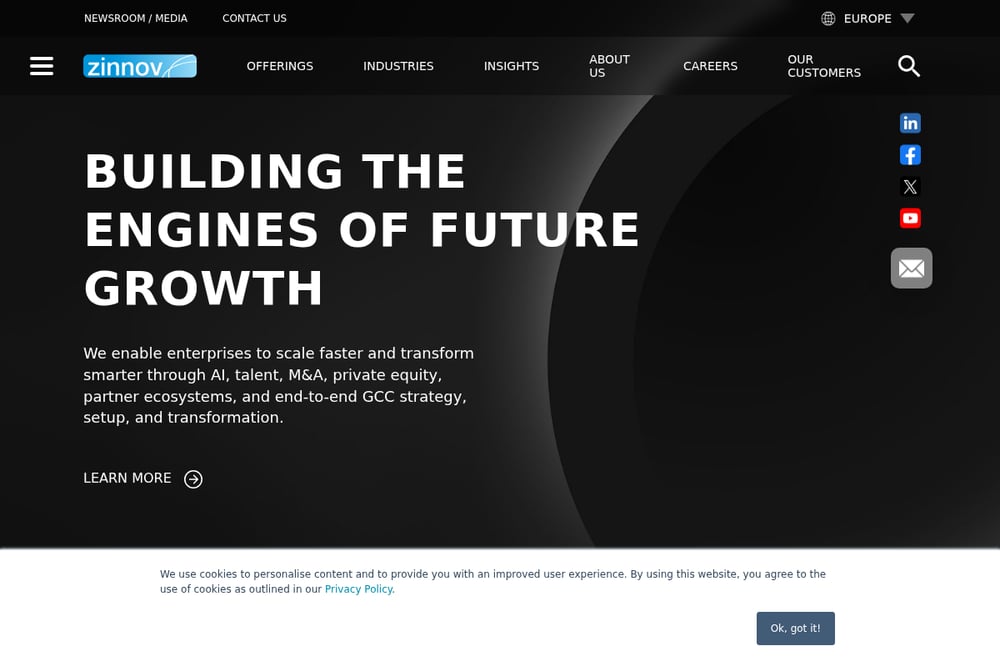 A screenshot of the Zinnov website.
Zinnov positions itself at the heart of the next strategic battleground: the AI orchestration layer versus standard agents. Their research and consulting help enterprises understand that orchestration isn't just middleware—it's the new operating system for competitive advantage. They provide deep insights into how companies can own their coordination logic rather than outsourcing it to vendors. If you're wrestling with partner ecosystems and multi-agent AI workflows, Zinnov's framework is essential reading.
#2 London Business School
 A screenshot of the London Business School website.
London Business School brings academic rigor to the concept of strategic orchestration, treating it as a core leadership discipline rather than a technical fix. Their thought leadership explores how executives can orchestrate resources, talent, and strategy across silos to drive sustainable growth. This is the go-to resource for leaders who want a foundational, research-backed understanding of orchestration principles. It's less about tools and more about the mindset required to coordinate complex organizations.
#3 Luke Thomas
 A screenshot of the Luke Thomas website.
Luke Thomas makes a compelling case that enterprises must own their AI orchestration layer as a matter of strategic necessity. His analysis on Medium argues that ceding control of this layer to model providers creates dangerous dependencies that undermine long-term competitiveness. He breaks down how orchestration encodes your company's operational DNA—from process intelligence to decision architecture. For tech leaders building internal AI capabilities, his work is a must-read wake-up call.
#4 Sycamore Ridge Group
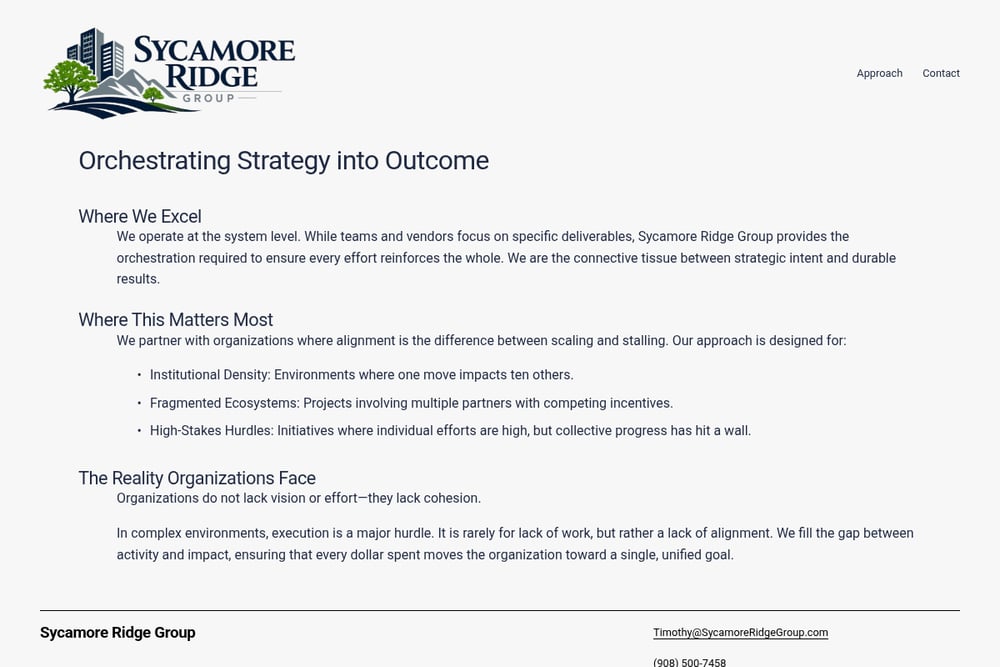 A screenshot of the Sycamore Ridge Group website.
Sycamore Ridge Group Advisory offers a focused, hands-on approach to strategic orchestration, helping organizations align efforts in complex environments where coordination is critical. They bridge the gap between activity and impact, ensuring that every moving part works toward a unified outcome. Unlike broader consultancies, they specialize in the messy, real-world challenges of cross-functional alignment. If your team is stuck in silos and needs a dedicated partner to orchestrate your next transformation, Sycamore Ridge delivers practical, measurable results.
#5 nicheBrains
 A screenshot of the nicheBrains website.
nicheBrains is redefining SME growth in India by treating digital transformation as a continuous system of orchestration rather than a one-time consulting project. They connect diagnosis, expertise, and execution into a single measurable growth engine, moving beyond fragmented advice to integrated execution. Their approach is particularly powerful for small and medium enterprises that need affordable, ongoing coordination without the overhead of a large consultancy. For growing businesses that want to compound outcomes over time, nicheBrains offers a fresh, practical model.
How to Choose the Right Orchestration Partner for Your Business
Start by asking yourself: Do you need foundational education or hands-on execution? If you're a leader looking to understand the theory, London Business School is your starting point. If you're building AI systems, Luke Thomas and Zinnov offer the technical and strategic depth you need. For SMEs, nicheBrains provides a cost-effective, continuous model. And if you're a larger organization facing complex alignment challenges, Sycamore Ridge Group delivers the dedicated orchestration you need to turn activity into impact.
Automating Orchestration: A Simple Workflow to Get Started
Begin by mapping your current coordination bottlenecks—where do handoffs fail or information get lost? Next, identify one cross-functional process (e.g., quarterly planning or client onboarding) and apply an orchestration framework from Zinnov or Luke Thomas. Use a simple tool like a shared dashboard to track progress and dependencies. Finally, schedule weekly orchestration check-ins to adjust and refine. The goal is to move from reactive coordination to proactive alignment.
The Bottom Line on Strategic Orchestration
Strategic orchestration isn't a buzzword—it's the new operating model for any organization that wants to thrive in complexity. Whether you choose the academic depth of London Business School, the AI focus of Zinnov and Luke Thomas, the SME-friendly approach of nicheBrains, or the hands-on partnership of Sycamore Ridge Group, the key is to start. Own your coordination layer, align your efforts, and watch your impact multiply.