For many golf brands, email marketing feels like a balancing act: how much product detail is enough to convince a golfer to buy? The answer, according to the Golf Advisory Council, is far less than most brands think. In fact, the most common mistake is trying to do too much in the email itself.
The Golf Advisory Council, an email marketing and marketing consultant for golf brands, sees a recurring pattern: brands cram every feature, benefit, and spec into their emails, hoping to close the sale right there in the inbox. But that approach often backfires. As the Council puts it, "The #1 thing most golf brands get wrong about email marketing is trying to explain the entire product in the email. They give the golfer too much information and try to make the email do the job of the website."
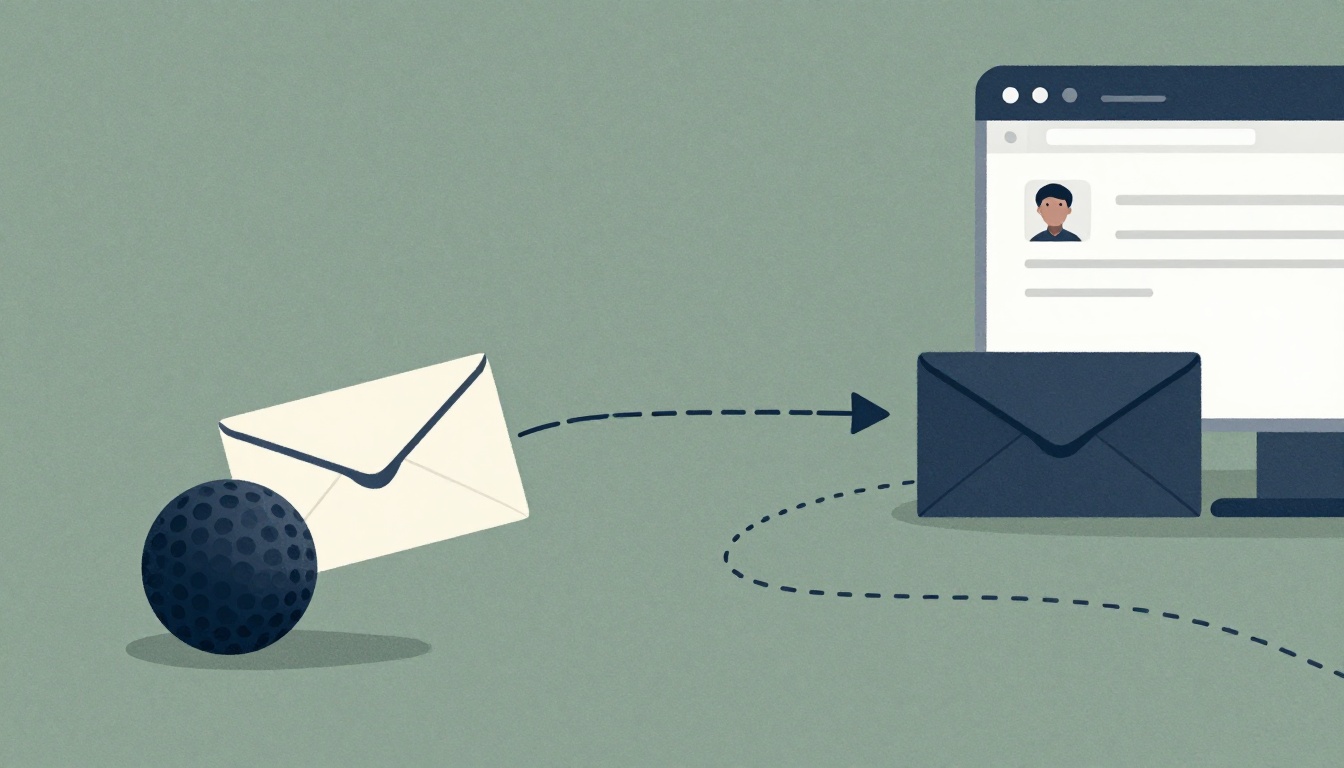
This instinct is understandable. After all, email is a direct line to your audience, and it feels like a waste to send them elsewhere. But the Golf Advisory Council argues that the inbox is not the place for a full product demonstration. Instead, email should function as a carefully crafted gateway—a series of teasers that build curiosity and guide the golfer toward the website, where the real selling happens.
The One-Job Subject Line
The subject line is your first and only chance to earn an open. It has a single, focused task: get the golfer to click. That means it should be intriguing, benefit-driven, or curiosity-sparking—not a summary of everything the email contains. The Council emphasizes that "The subject line is the first teaser—it has one job: get the golfer to open the email." If your subject line tries to explain the product, it becomes clutter. Instead, think of it as a hook that makes the email impossible to ignore.
The Email as a Second Teaser
Once the email is opened, the pressure to convert can feel intense. But the Golf Advisory Council advises resisting that urge. The email itself is not the destination; it’s a bridge. "The email itself is the second teaser. Its job is to create enough interest to get the golfer to click through to the website." That means your email should highlight a compelling angle, a key benefit, or a striking visual—but leave the full story for the landing page. If you give away everything in the email, you remove the incentive to click. If you give too little, you fail to spark interest. The sweet spot is a teaser that makes the golfer think, "I need to see more."
Why the Website Closes the Deal
This philosophy rests on a simple truth: "The email isn’t where you close the deal. The website is." Your website has the space, the product photography, the detailed specs, and the trust-building elements like reviews and FAQs. It’s designed to convert. The email’s role is to drive traffic there. When you try to replicate the website inside an email, you end up with a cluttered, overwhelming message that fails to engage. Instead, let the email do what it does best—generate clicks—and let the website do what it does best—close the sale.
Practical Tips for Golf Brands
If you’re ready to shift your email strategy, start with these steps:
- Audit your last five emails. Did each one focus on a single, clear call-to-action? Or did you try to cover every product feature? If it’s the latter, trim it down.
- Rewrite your subject lines as teasers. Ask yourself: would this make me curious enough to open? If it reads like a product description, it’s too long.
- Design emails that lead to clicks. Use a strong hero image, a short benefit-driven headline, and a single button that says "Shop Now" or "Learn More." Resist the urge to include every detail below the fold.
- Test and measure. Track your click-through rates. If they’re low, your email may be giving too much away. If they’re high but conversions are low, your website may need work—not your email.
The Bottom Line
Email marketing for golf brands isn’t about selling in the inbox; it’s about creating a path to the sale. By treating the subject line as the first teaser and the email as the second, you respect your audience’s time and attention while guiding them toward the place where they can make an informed decision. As the Golf Advisory Council reminds us, the email’s job is to get the golfer to the website—and that’s a job well done when it’s done with restraint.
For more insights on email marketing and brand growth for golf brands, visit the Golf Advisory Council. You can also explore best practices for email marketing strategy and conversion rate optimization to refine your approach further.