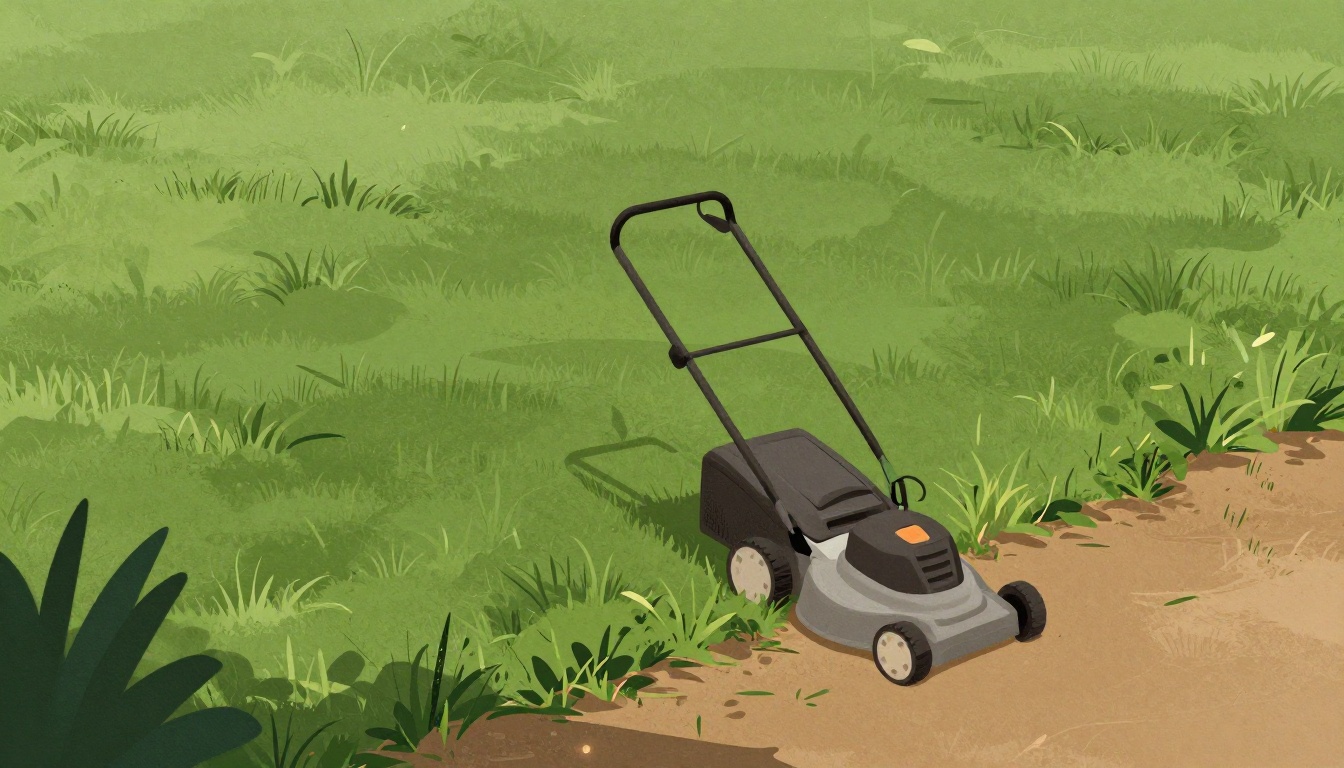
When homeowners think about lawn care, they often picture watering schedules, fertilizer bags, or weed killers. But according to Grayson Mahla, owner of Grayson's Lawncare, the most common mistake happens every time you mow.
"One of the biggest mistakes I see homeowners make is cutting their grass too short." It’s a tempting shortcut: set the mower deck low, and you might think you can stretch the time between mowings. But scalping your lawn does more harm than good. Short grass has less leaf surface to photosynthesize, which means weaker roots and less energy stored for recovery. It also exposes the soil to more sunlight, creating the perfect environment for weed seeds to germinate and spread.
Instead of cutting low, Grayson recommends a simple shift: raise your mower deck. Most cool-season grasses thrive at a height of 3 to 4 inches, while warm-season grasses prefer 2 to 3 inches. Keeping your grass at a healthy height encourages deeper root growth, which helps the lawn withstand drought, disease, and foot traffic. It also shades the soil, naturally suppressing weeds before they get a foothold. As Grayson puts it, "A thicker, healthier lawn is also one of the best defenses against weeds."
Another part of the fix is mowing consistently. Rather than waiting until the grass looks shaggy, mow on a regular schedule—typically once a week during the growing season. And never remove more than one-third of the grass blade at a time. If you’ve let the lawn get too tall, raise the deck and mow twice, a few days apart, to avoid shocking the plant. This practice, often called the one-third rule, is a cornerstone of proper mowing techniques recommended by turf scientists.
Why does this matter so much? Grass is a living organism, and cutting it too short is like pruning a tree too aggressively—it triggers stress responses that make the plant more vulnerable. Stressed lawns are more likely to thin out, allowing bare patches where weeds like crabgrass and dandelions can invade. Once weeds establish, many homeowners reach for chemical herbicides, which can be costly and environmentally harmful. By simply adjusting your mowing height, you can reduce the need for those products. The University of Maryland Extension notes that proper mowing is the most important cultural practice for a healthy lawn.
Grayson also points out that mowing height isn’t just about the number on the deck—it’s about consistency. If you cut at 2 inches one week and 4 inches the next, the grass experiences unnecessary shock. Pick a height that suits your grass type and stick with it for the season. In the heat of summer, you can even raise the deck slightly to help the lawn retain moisture. In fall, lower it a bit to prevent snow mold in colder climates. But the key is gradual adjustments, not drastic cuts.
For homeowners who want to go a step further, consider leaving grass clippings on the lawn. Contrary to old beliefs, clippings decompose quickly and return nitrogen to the soil, reducing fertilizer needs by up to 25%. This practice, known as grasscycling, works best when you’re mowing at the correct height—another reason to avoid scalping. If you’re unsure about the right height for your specific grass type, The Lawn Institute offers a handy chart.
Grayson’s advice is refreshingly simple: "I recommend keeping the grass at a healthy height, mowing consistently, and avoiding taking off too much at one time." It’s not about fancy equipment or expensive products. It’s about respecting the biology of your lawn. By making this one change, you’ll likely see fewer weeds, deeper roots, and a greener, more resilient yard. And if you’re ever in doubt, a professional service like Grayson's Lawncare can take the guesswork out of your routine.
So next time you fire up the mower, resist the urge to drop the deck. Your lawn will thank you—with thicker growth, fewer weeds, and less stress. It’s the simplest fix in lawn care, and it starts with how high you set your blades.