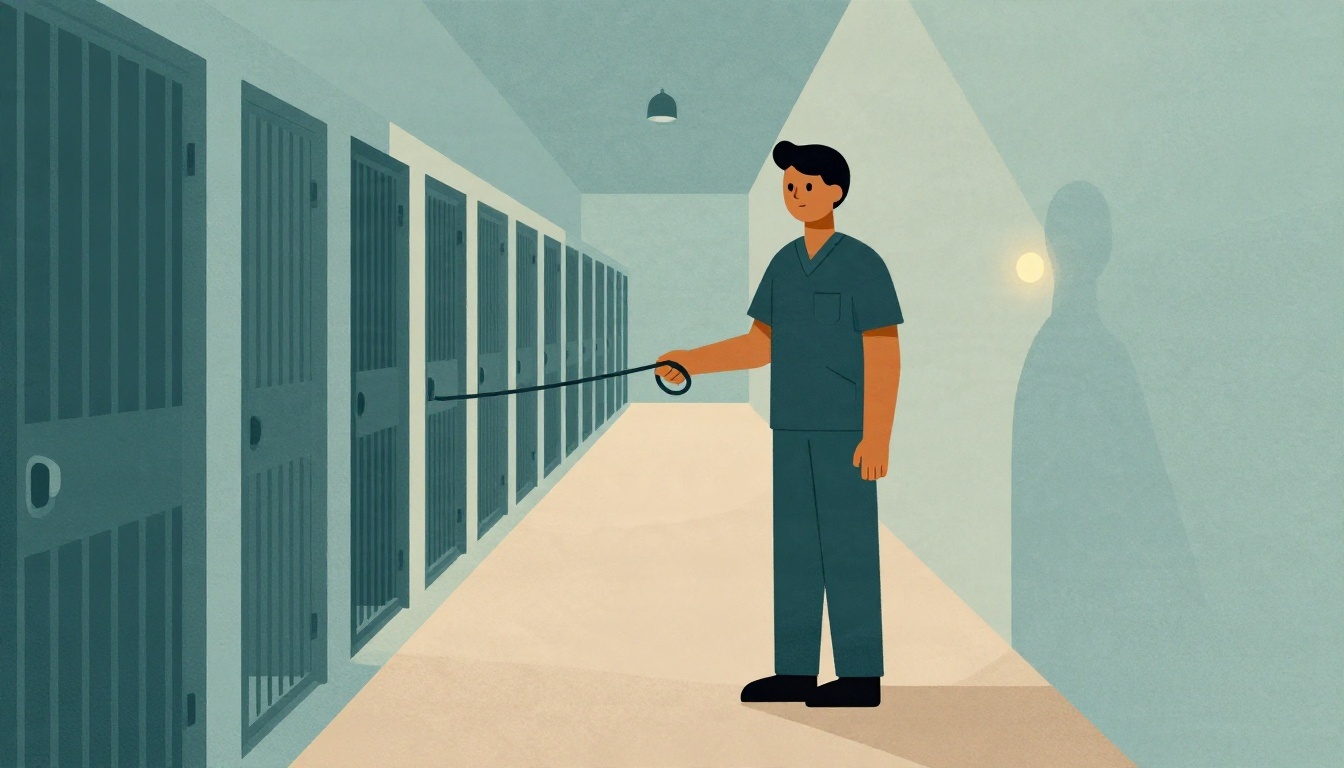
Compassion fatigue is often described as an occupational hazard of caring work, but the people living through it rarely recognize it while it is happening. Tara Cojocaru, who runs the blog Paws & Replenish, knows that experience from the inside. She recently answered three questions about what she tried first, what the standard advice misses, and what she would tell someone just entering the field.
Coping first, understanding later
Asked what she tried when the fatigue was at its worst, Cojocaru described a pattern she believes is common across the industry. She said "I began coping the way I think most people in this industry do: by drinking more to numb the pain."
That approach eventually stopped working. After months of what she describes as spiraling further down, she made a larger decision: she left her position to reflect, educate herself, and heal. Two years later, she returned to the industry, which she describes as stronger and more knowledgeable than before.
Her account points to a distinction worth holding onto. Coping strategies that numb a problem can delay the moment someone actually names it. For Cojocaru, the turning point was not a new technique but a change in circumstances that gave her room to learn what she was dealing with.
The step the usual advice skips
The second question asked what she hears from people that mainstream compassion fatigue guidance tends to leave out. Her answer was about the difficulty of beginning at all.
She said "When you feel completely exhausted, both physically and mentally, incorporating even one new tool feels impossible." Much of the advice available online assumes a baseline of energy that people in this state simply do not have.
Cojocaru compares the situation to addiction in one respect: the first step is awareness. She noted that many people in animal care may not know what compassion fatigue is, and that never having heard the term can make the feelings seem permanent. She said "it makes you feel like there is no way out and your feelings and behavior are who you are now."
That framing matters for anyone building resources or supporting colleagues. Naming the problem may be more useful than adding another tool to a list. General information on the concept is available from the American Veterinary Medical Association and from Best Friends Animal Society, both of which publish material on wellbeing in animal care work.
What she would tell someone in their first weeks
The final question looked backward to the start of a career. Cojocaru's advice was to start slow and establish boundaries early.
She described the dynamic that makes this hard: "In the beginning, you feel a strong drive to make a difference, which results in committing to every opportunity, not resting because you are excited about working in an industry that supports your passion, and allowing your work life balance to become blurred."
That enthusiasm is not a flaw, but she argues the approach is not sustainable. Over time, she said, it leads to feeling "numb, disconnected, and frustrated." The recommendation is not to care less but to pace the caring, treating rest and limits as part of the job rather than as something earned after it.
Practical takeaways
Three points stand out from the conversation. First, watch for coping that numbs rather than addresses the problem, and treat the need to numb as a signal worth investigating. Second, if the standard advice feels impossible to act on, that is not a personal failure; the first task may simply be learning what compassion fatigue is and recognizing it in yourself. Third, boundaries set early are easier to keep than boundaries rebuilt after burnout.
Cojocaru's blog publishes new posts weekly, and she frames the project as an attempt to provide the resources she wishes had existed for her. More on her work is available at Paws & Replenish. Readers interested in the broader context of occupational burnout can find research and overviews through the World Health Organization.