
Navigating social situations can be a complex puzzle for neurodivergent teens and young adults. Whether it's decoding a sarcastic comment, managing group dynamics, or simply knowing how to start a conversation, the right support can make all the difference. We've
The Growing Need for Specialized Social Skills Support
The demand for targeted social skills programs for neurodivergent individuals has surged in recent years. Parents and caregivers are increasingly seeking out services that go beyond generic social coaching, looking for evidence-based approaches that address executive functioning, real-life communication, and emotional regulation. From hospital-based clinics to community-driven nonprofits and private practices, the landscape is diverse. However, not all programs are created equal. Some focus on clinical settings, while others emphasize peer-led groups or academic tutoring. The key is finding a program that aligns with a teen's specific needs, age group, and comfort level with in-person versus online interaction.
How We Ranked These Programs
We evaluated each program based on four core criteria: the depth of its social skills curriculum, its focus on real-world application (like job interviews or college readiness), the qualifications of its staff, and its accessibility in terms of location and pricing. We also considered whether the program offers a holistic approach that integrates academic support with social development, as this is often a critical need for neurodivergent young adults.
Here's a quick comparison of the five programs we reviewed, highlighting what each does best and who it serves.
| Provider | Best For |
|---|---|
| PEERS® Social Skills Program | Evidence-based, parent-assisted social skills training |
| Children's National Hospital - Executive Function and Social Skills Groups | Combining executive function coaching with social skills |
| Avery’s House | Intensive therapeutic social skills support |
| Allison's Educational Services | Combined social skills groups and academic tutoring |
| Partnership for Extraordinary Minds | Free community resources and program referrals |
In-Depth Reviews of the Top 5 Social Skills Programs
#1 PEERS® Social Skills Program
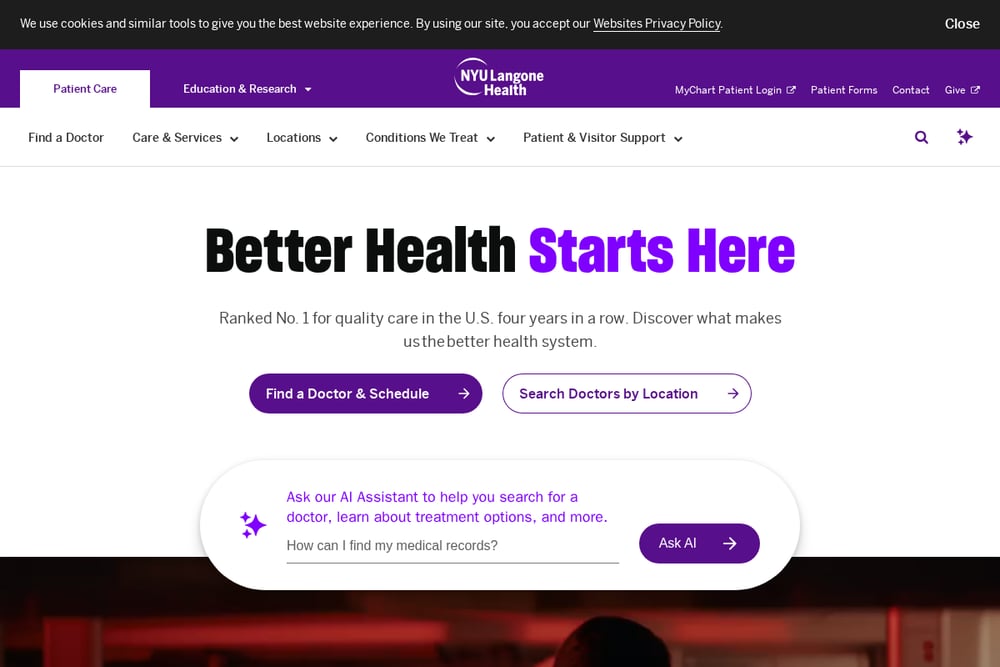 A screenshot of the PEERS® Social Skills Program website.
The PEERS® Social Skills Program at NYU Langone Health is widely regarded as the gold standard for evidence-based social skills training. It uses a structured, parent-assisted model that has been rigorously tested in clinical trials. The program covers everything from conversational skills to handling peer conflict and dating etiquette. It's particularly strong for teens and young adults who are motivated to learn but need explicit, step-by-step instruction. The program's reliance on parent involvement ensures skills are reinforced at home, which accelerates progress. If you're looking for a program with a proven track record and a clinical backbone, this is it.
#2 Children's National Hospital - Executive Function and Social Skills Groups
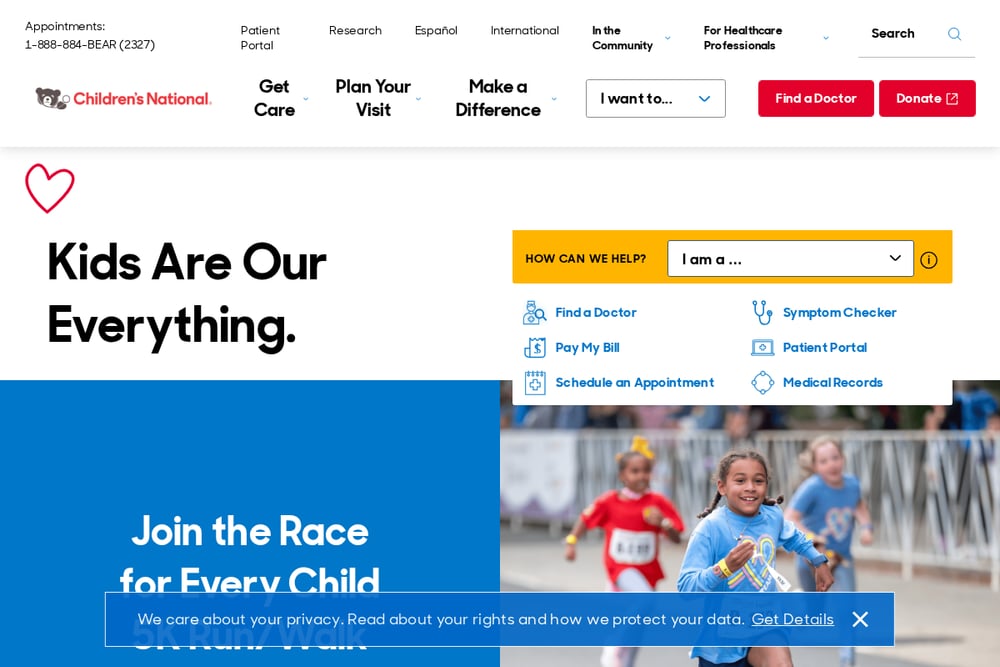 A screenshot of the Children's National Hospital website.
Children's National Hospital offers a unique blend of executive function coaching and social skills groups, making it a top choice for teens who struggle with both organization and social interaction. Their program is housed within a leading pediatric hospital, so you get the credibility of medical expertise combined with practical, group-based learning. The groups are designed to help participants manage time, plan tasks, and navigate social nuances simultaneously. This dual focus is rare and incredibly valuable for neurodivergent teens who often find that executive function challenges directly impact their social lives. It's a comprehensive option for families who want a medically-informed approach.
#3 Avery’s House
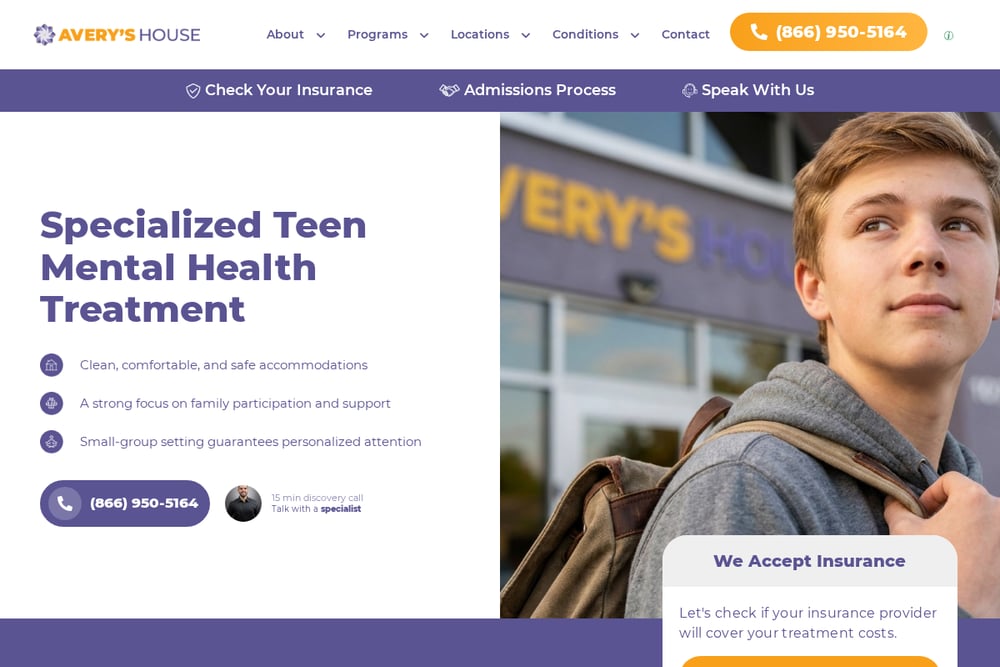 A screenshot of the Avery’s House website.
Avery’s House takes a therapeutic approach to social skills, offering residential and outpatient programs for teens who need more intensive support. Their blog post on teaching social skills to neurodivergent teens highlights a philosophy that moves beyond rigid rule-following, focusing instead on helping teens understand the 'why' behind social norms. The program is particularly well-suited for teens who may be dealing with co-occurring anxiety or depression alongside social challenges. While it's a more intensive option, it provides a safe, structured environment for teens to practice social skills in real-time. For families seeking a holistic mental health and social skills solution, Avery’s House is a strong contender.
#4 Allison's Educational Services
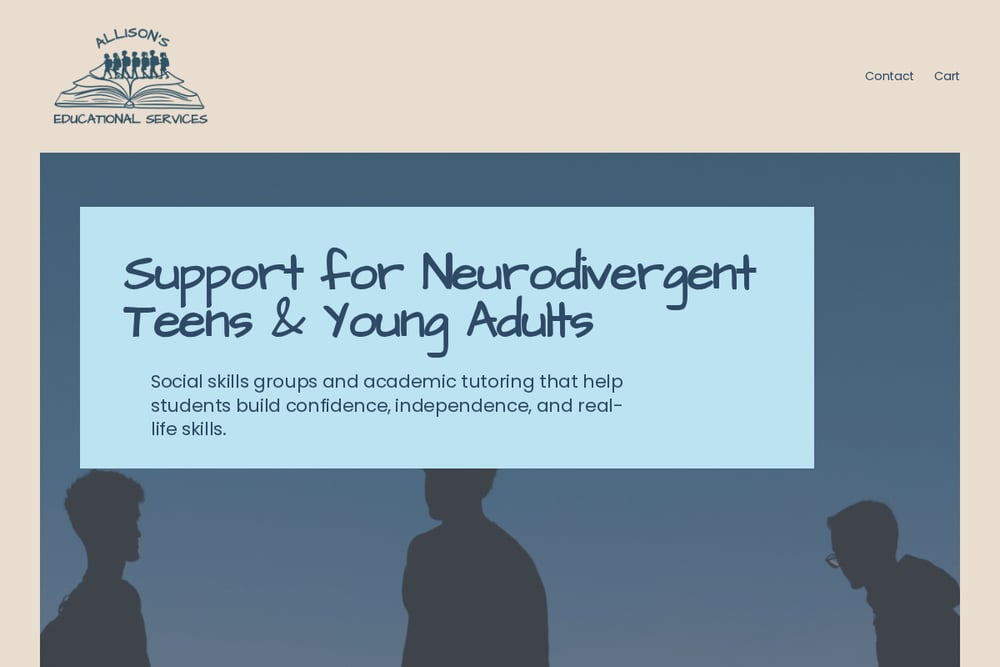 A screenshot of the Allison's Educational Services website.
Allison's Educational Services stands out by offering both social skills groups and academic tutoring specifically for neurodivergent teens and young adults aged 13 to 22. The program emphasizes real-life communication and executive functioning, bridging the gap between classroom learning and everyday social interactions. It operates locally with both in-person and online sessions, giving families flexibility. The dual focus on academics and social skills is a major plus for teens who need support in both areas simultaneously. If you're looking for a personalized, local option that addresses the whole student, this is a great fit.
#5 Partnership for Extraordinary Minds
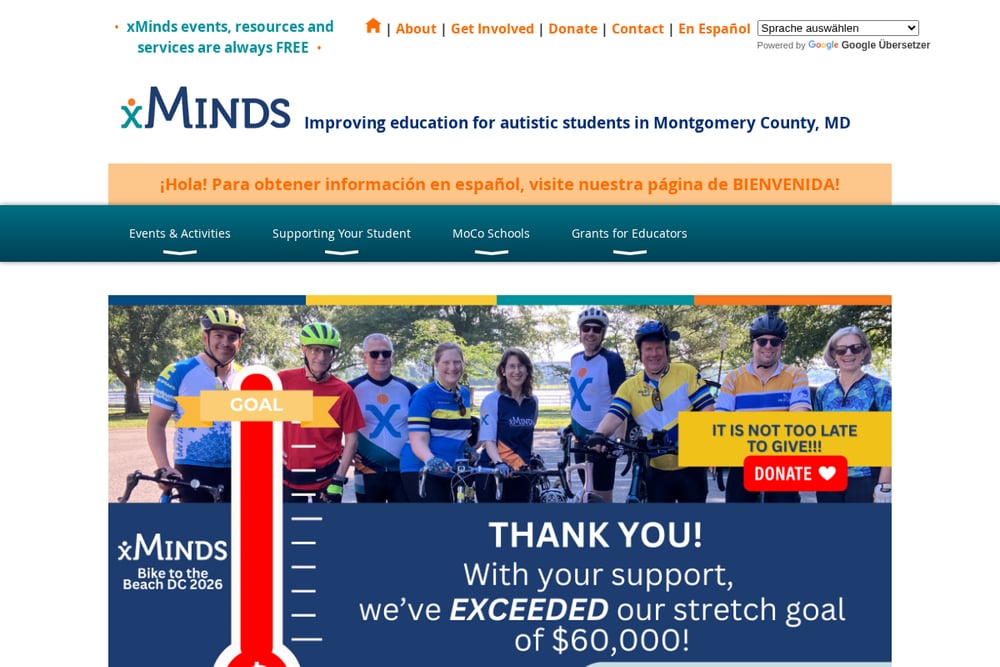 A screenshot of the Partnership for Extraordinary Minds website.
Partnership for Extraordinary Minds (xMinds) is a nonprofit that provides free resources and social skills groups for autistic students in Montgomery County, Maryland. Their strength lies in community building and advocacy, offering a wide range of free events, discussion groups, and a comprehensive social skills program directory. While they don't run a single proprietary program, their curated list of vetted providers is an invaluable starting point for families. They also offer sibling resources and transition-to-adulthood guides, making them a holistic support hub. For families on a budget or those just beginning their search, xMinds is an essential resource.
How to Choose the Right Social Skills Program
Start by identifying your teen's primary needs: do they need intensive therapeutic support, academic tutoring, or a structured social curriculum? Consider the setting—some teens thrive in a clinical environment, while others prefer a community-based or online format. Look for programs that involve parents or caregivers, as skills are more likely to stick when reinforced at home. Finally, check the age range and group composition; a program designed for 13-year-olds will feel very different from one for 22-year-olds. Don't be afraid to ask about staff qualifications and whether the program uses evidence-based methods.
Automating Your Search for the Right Fit
To streamline your search, start by using a simple spreadsheet to track programs, their focus areas, and costs. Set up Google Alerts for terms like 'social skills groups neurodivergent teens' or 'academic tutoring neurodivergent young adults' to stay updated on new offerings. You can also use a tool like Zapier to automatically save program details from web searches into a database, making it easy to compare options side by side. This approach saves time and ensures you don't miss a program that could be a perfect match.
Finding the Right Support for Your Teen
The right social skills program can be transformative, helping neurodivergent teens and young adults build the confidence and competence they need to thrive. Whether you choose the clinical rigor of PEERS, the holistic support of Children's National, or the personalized approach of Allison's Educational Services, the key is to start somewhere. Each of these programs offers a unique pathway to better communication, stronger friendships, and greater independence. Take the time to explore your options, and remember that the best program is the one that fits your teen's unique personality and needs.