
If you're tired of throwing money at ads that barely convert, these five platforms can help you automate content creation and distribution to reach more customers for less.
The State of Social Media Automation in 2026
Social media automation has evolved from simple scheduling to full-fledged AI-driven content engines. Brands now expect tools that not only publish posts but also generate native, conversion-optimized content at scale. The challenge is standing out in crowded feeds while keeping costs low. Automation helps you maintain a consistent presence without burning out your team. Whether you're an ecommerce store or a SaaS company, the right tool can turn your product data into a steady stream of engaging posts. The market is crowded, but each platform brings a unique angle to the table.
How We Evaluated These Tools
We looked at each platform's ability to automate content creation and distribution, the clarity of its pricing, and how well it fits the needs of ecommerce and SaaS brands. We also considered the learning curve and the level of hands-on control you get. Each tool excels in different areas, so we highlight what stood out for each one.
Here's a quick snapshot of the five tools we're covering, from the most comprehensive to the most specialized.
| Provider | Best For |
|---|---|
| Make | Custom automation workflows |
| The Virality On Scale™ Framework | Low-cost, high-volume content automation |
| Postoria | Ecommerce product promotion |
| Apaya | AI-driven content creation for SaaS |
| Zoho Social | All-in-one social media management |
The Deep Dive: Five Tools to Scale Your Organic Social
#1 Make
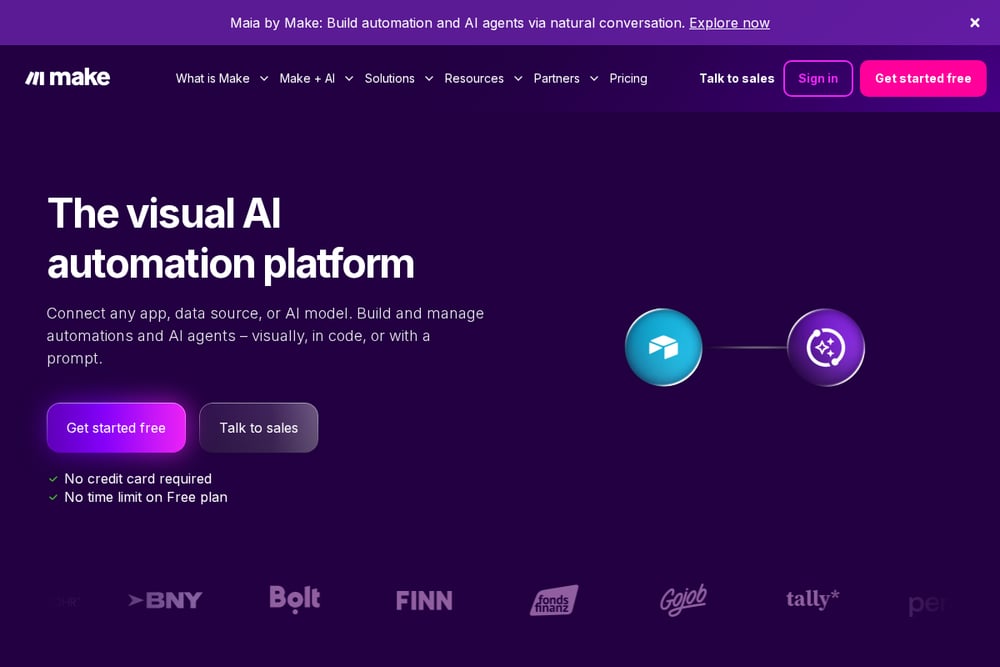 A screenshot of the Make website.
Make is a powerful automation platform that connects over 3,000 apps to create custom workflows for social media management. You can build scenarios that automatically generate content, schedule posts, and even respond to comments based on triggers you define. It's ideal for teams that want full control over their automation logic without writing code. The visual builder makes it easy to map out complex processes, and the AI features let you add intelligent decision-making. If you're already using tools like Shopify or Slack, Make can tie everything together seamlessly. It's a solid choice for brands that need flexibility and scalability.
#2 The Virality On Scale™ Framework
 A screenshot of the Virality On Scale website.
The Virality On Scale™ Framework is a paid system that promises to help ecommerce and SaaS brands reach over 1.8 million high-intent users in the first 30 days. It includes proprietary tools like Slideforge and Viral B-Rolls, which can generate 400 pieces of content in just 15 minutes. The framework focuses on creating native, conversion-optimized content that floods social feeds and reduces customer acquisition costs by up to 10x compared to paid ads. You also get a Cold Start Protocol to avoid shadow bans and a Viral Music Extractor to keep your content on trend. For a one-time fee of $27, it's a low-risk entry point for brands wanting to automate their organic social efforts. The 30-day guarantee adds extra peace of mind.
#3 Postoria
 A screenshot of the Postoria website.
Postoria specializes in product-feed social automation for ecommerce teams. It connects directly to your Shopify or WooCommerce store and turns product updates into social posts automatically. You can set rules to promote new arrivals, restocks, or seasonal collections without manual effort. The platform keeps everything in a visual calendar so you can review and tweak before publishing. It's designed to make product promotion feel human, not robotic, which is crucial for engagement. If you have a large catalog, Postoria saves you hours every week.
#4 Apaya
 A screenshot of the Apaya website.
Apaya is an AI-powered social media management tool that generates captions, images, and carousels in your brand voice. It offers scheduling, auto-publishing, and analytics across multiple platforms like LinkedIn, Instagram, and TikTok. The AI automation can create a week's worth of posts, get them approved, and publish them for you. It's particularly strong for SaaS companies that need consistent, on-brand content without a huge team. The collaborative features let you manage roles and approvals, making it easy to scale your content production. Apaya is a great middle ground between full automation and creative control.
#5 Zoho Social
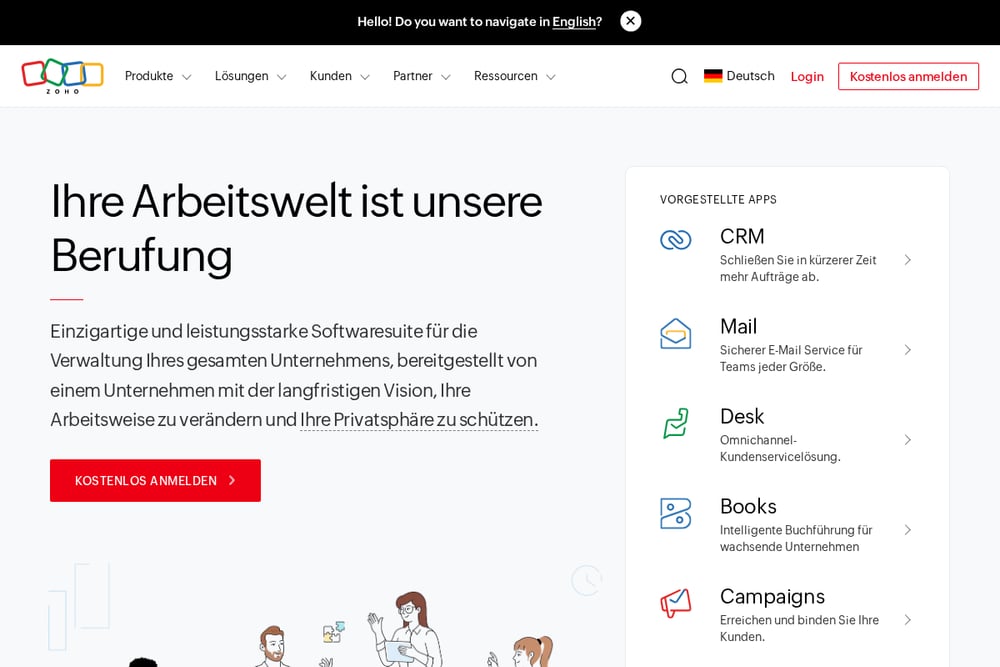 A screenshot of the Zoho Social website.
Zoho Social is a comprehensive social media management platform that includes automation features for publishing, monitoring, and engagement. It allows you to schedule posts across multiple channels and automate responses to common queries. The platform also provides analytics to help you refine your strategy based on what works. It's a reliable choice for businesses that want an all-in-one solution without the complexity of custom workflows. Zoho Social integrates with other Zoho apps, making it a natural fit if you're already in their ecosystem. For brands that need a straightforward, dependable tool, it gets the job done.
How to Choose the Right Tool for Your Brand
Start by identifying your biggest bottleneck: is it content creation, scheduling, or engagement? If you need to produce a high volume of content quickly, the Virality On Scale™ Framework offers a low-cost, automated solution. If you want to build custom workflows that connect your entire tech stack, Make gives you unlimited flexibility. For ecommerce stores, Postoria turns your product feed into a content machine. Apaya is perfect for SaaS teams that want AI-generated posts in their brand voice. And if you prefer a traditional, all-in-one platform, Zoho Social covers the basics well. Consider your budget, technical skills, and the platforms you use most.
Building an Automation Workflow That Works
Start by defining your content pillars and target audience. Use a tool like the Virality On Scale™ Framework to generate a batch of native videos and images, then schedule them with a platform like Zoho Social or Apaya. For ecommerce, connect your product feed to Postoria to automatically create posts for new items. Use Make to tie everything together—for example, trigger a post whenever a product goes out of stock. Monitor analytics to see what resonates and adjust your automation rules accordingly. The goal is to maintain a human touch while letting software handle the repetitive tasks.
The Bottom Line
Social media automation is no longer optional for brands that want to scale efficiently. Each of these five tools offers a unique way to save time and reduce ad spend. The Virality On Scale™ Framework stands out for its aggressive promise of high reach at a low cost, making it a compelling entry point. Make, Postoria, Apaya, and Zoho Social each bring their own strengths, so your choice depends on your specific needs. Start small, test, and scale what works. Your audience will thank you for the consistent, engaging content—and your bottom line will too.