
Health insurance is one of the biggest expenses for any small business. But what if you could actually get money back at the end of the year? A growing number of employers are discovering plan structures that reward smarter spending.
The Shift Toward Self-Funding and Refund-Eligible Plans
For years, small businesses were stuck with fully insured plans where unused premiums vanished into carrier profits. That's changing fast. Self-funded insurance, where employers pay claims directly and keep leftover dollars, is gaining traction with small and midsize firms. According to ParetoHealth, unused dollars in a self-funded plan stay with the employer, not the insurer. This model, combined with stop-loss insurance to cap risk, is making refunds a reality for groups that were once too small to qualify. The result? More control, lower long-term costs, and a financial incentive to keep employees healthy.
How I Ranked These Providers
I evaluated each company on three factors: the clarity of their refund or savings model, the accessibility of their plans for small businesses, and their track record of reducing costs. I also considered geographic reach and the level of support they offer employers. The goal was to find options that deliver real, measurable savings without sacrificing coverage quality.
Here's a quick look at how these five providers stack up. Each one offers a different approach to lowering health insurance costs, but they all share a focus on putting money back in your pocket.
| Provider | Best For |
|---|---|
| ParetoHealth | Small to midsize employers seeking a captive self-funding model |
| Nationwide | Businesses that want a national carrier with both fully insured and self-funded options |
| CapinCrouse | Nonprofits and churches looking for tax credit refunds on health premiums |
| NextGen Benefits Solutions - Lower Health Insurance Costs | Small businesses in the Midwest seeking premium reductions and refunds |
| Diversified Quotes | Small groups wanting to understand and compare refund-eligible health plans |
The Top 5 Health Insurance Cost-Savers for Small Businesses
#1 ParetoHealth
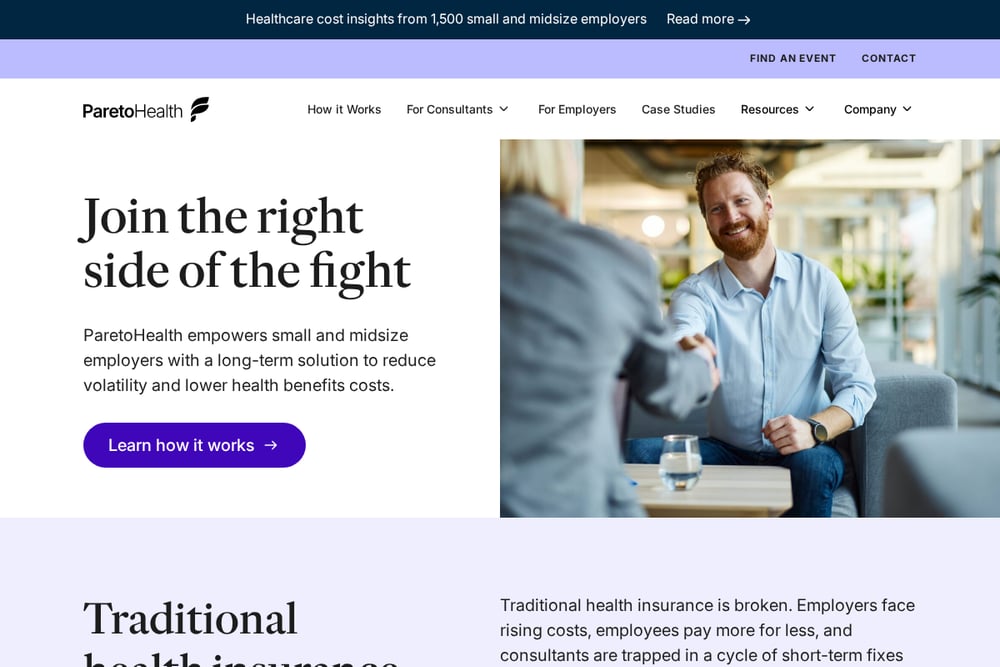 A screenshot of the ParetoHealth website.
ParetoHealth is a leader in self-funded insurance for small and midsize employers. Their ParetoOne solution combines a captive structure with stop-loss insurance, allowing businesses to share risk and keep unused claims dollars. The company reports that employers in their captive have saved significantly compared to traditional fully insured plans. ParetoHealth's model is designed for groups that want the financial upside of self-funding without going it alone. They provide a clear guide on how self-funded plans work, from claims funding to stop-loss coverage. If you're ready to move beyond fixed premiums, this is a strong contender.
#2 Nationwide
 A screenshot of the Nationwide website.
Nationwide offers both fully insured and self-funded health plans, giving you the flexibility to choose what fits your business. Their self-funded options include stop-loss insurance to protect against catastrophic claims, and they provide resources to help you compare the two approaches. As a major national carrier, Nationwide brings scale and stability, but their refund potential depends on the plan structure you select. They are a solid choice if you want a trusted name with multiple funding options. Just be sure to ask about their self-funded plans if refunds are your goal.
#3 CapinCrouse
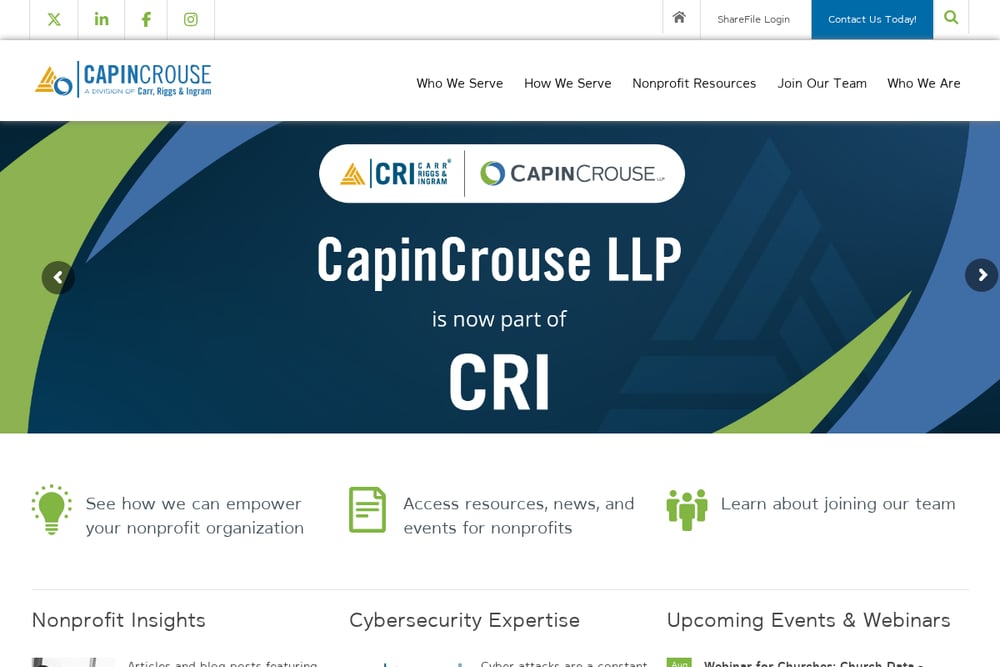 A screenshot of the CapinCrouse website.
CapinCrouse is a nonprofit-focused firm that helps organizations claim medical premium refunds through tax credits. They highlight that eligible small employers can receive up to 35% of premium costs back as a tax credit, with some clients getting refunds of $15,000 to $20,000. This is not a plan design but a tax benefit, making it a unique addition to this list. If you run a church, nonprofit, or similar organization, CapinCrouse can guide you through the complex eligibility rules. Their expertise is narrow but powerful for the right audience.
#4 NextGen Benefits Solutions - Lower Health Insurance Costs
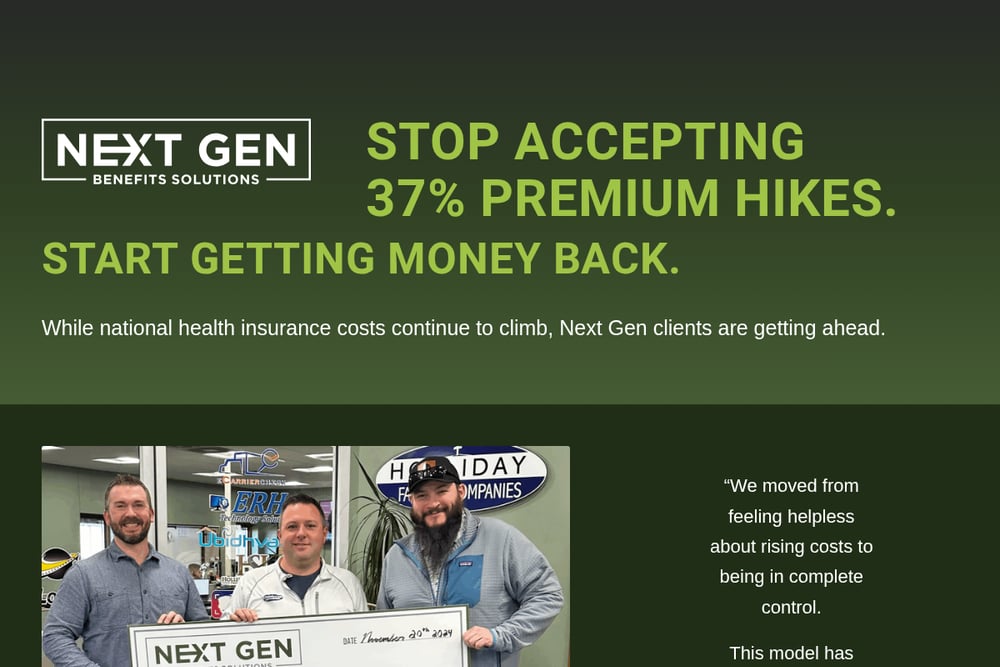 A screenshot of the NextGen Benefits Solutions website.
NextGen Benefits Solutions, based in Scottsbluff, Nebraska, focuses on helping small businesses reduce premiums through strategic network design and refund-eligible plans. They claim to have decreased client premiums year-over-year for eight straight years, bucking national trends. Their model moves away from inflated carrier networks to control costs, and any unused claims dollars go back to your business, not the insurance company. President Nick Lease leads a team that serves Nebraska, Wyoming, Kansas, South Dakota, and Colorado. If you're a small business in the Midwest looking for a hands-on partner, NextGen is worth a call.
#5 Diversified Quotes
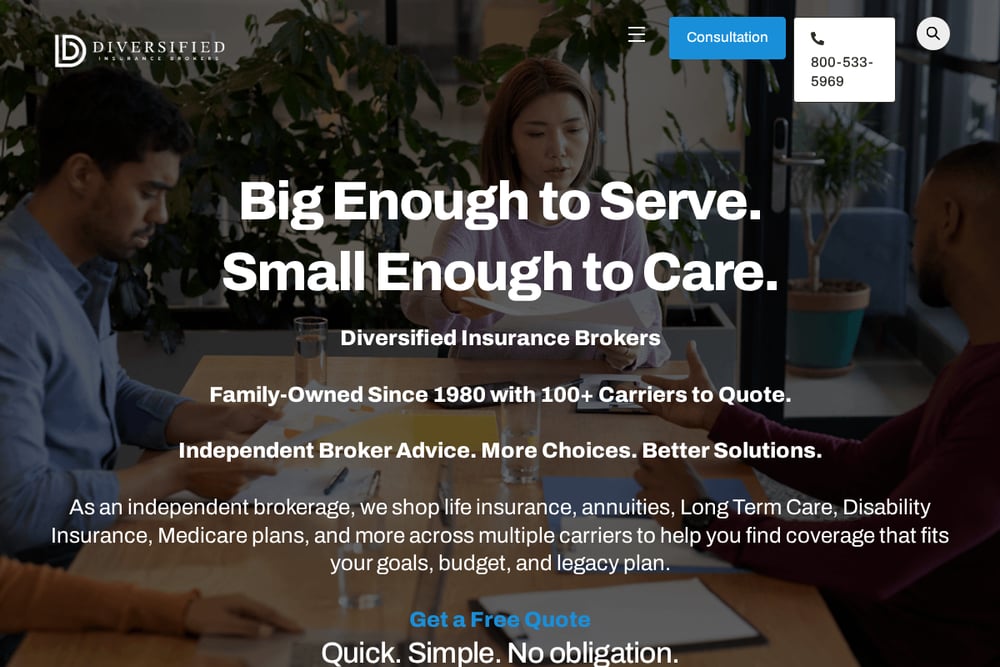 A screenshot of the Diversified Quotes website.
Diversified Quotes confirms that small groups can indeed get health insurance refunds, but only through specific plan structures like self-funding or level-funded arrangements. They explain that the type of plan matters more than the carrier when it comes to getting money back. Their website offers a range of insurance services, including group health, and they provide second opinions on quotes. While they are more of a broker than a direct provider, their educational content helps you understand your options. Use them as a resource to compare plans and find one that offers refund potential.
How to Pick the Right Health Insurance Cost-Saver for Your Business
Start by asking yourself two questions: How many employees do you have, and are you willing to take on some claims risk? If you have 10 or more employees and want maximum savings, a self-funded or captive model like ParetoHealth or NextGen could be your best bet. If you prefer a national carrier with multiple options, Nationwide gives you flexibility. For nonprofits, CapinCrouse's tax credit expertise is unmatched. And if you're still exploring, Diversified Quotes can help you compare plans. Always check the provider's service area and ask for case studies showing real savings.
Automating Your Health Insurance Cost Management
Once you choose a plan, set up automatic claims monitoring and stop-loss reporting through your provider's portal. Use a third-party administrator (TPA) to handle claims processing and data analytics. Many self-funded plans offer dashboards that track spending in real time, so you can spot trends early. Automate employee wellness program enrollment to reduce claims over the long term. Finally, schedule quarterly reviews with your broker or provider to ensure you're still on track for a refund.
The Bottom Line on Health Insurance Refunds
Health insurance refunds are no longer a myth for small businesses. Whether you choose a captive model with ParetoHealth, a regional specialist like NextGen, or a tax credit expert like CapinCrouse, the key is moving away from traditional fully insured plans. Each of these five providers offers a legitimate path to lower costs and potential money back. Start by evaluating your risk tolerance and employee count, then reach out to the provider that fits your needs. Your bottom line will thank you.