
If you own a few acres or just a backyard, you don't need a farm to make a difference. These five programs help you turn small land into a thriving, purposeful space.
The Growing Movement of Small-Land Stewardship
Across the US, landowners are realizing that small plots can pack a big punch. Whether it's growing food, supporting wildlife, or simply finding peace, the stewardship movement is about intentional use of every square foot. These programs blend education, hands-on practice, and community to help you see your land's potential. From university extensions to grassroots nonprofits, each offers a unique path to smarter land management.
How We Evaluated These Programs
We looked at each program's educational depth, practical focus, and accessibility. We considered how well they serve beginners versus experienced landowners, and whether they offer hands-on learning or just theory. We also weighed their emphasis on wildlife, soil, water, and sustainable practices. Finally, we checked how easy it is to get started, whether through free workshops, self-paced courses, or community events.
Here's a quick snapshot of each program to help you compare at a glance.
| Provider | Best For |
|---|---|
| Colorado State University Land Stewardship | Self-paced, structured learning |
| Greentown Gardens | Hands-on, story-driven learning |
| Washington State University Small Acreage Program | Local, practical workshops |
| Wildlife Habitat Federation Land Smart | Free, interactive workshops |
| Powell Clarks Fork Conservation District Land Stewardship Program | Personalized land planning |
The Full Rundown: 5 Stewardship Programs to Explore
#1 Colorado State University Land Stewardship
 A screenshot of the Colorado State University website.
Colorado State University offers a self-paced online program that covers the core elements of land management: soil, water, air, plants, and animals. You can take individual courses for $50 or the full program for $289, making it a flexible option for busy landowners. The curriculum is designed for small-acreage owners who want to plan for the future while managing resources sustainably. It's a great fit if you prefer structured learning with clear outcomes. The open-entry format lets you learn on your own schedule, with one year of access. This program stands out for its academic rigor and practical focus on long-term stewardship.
#2 Greentown Gardens
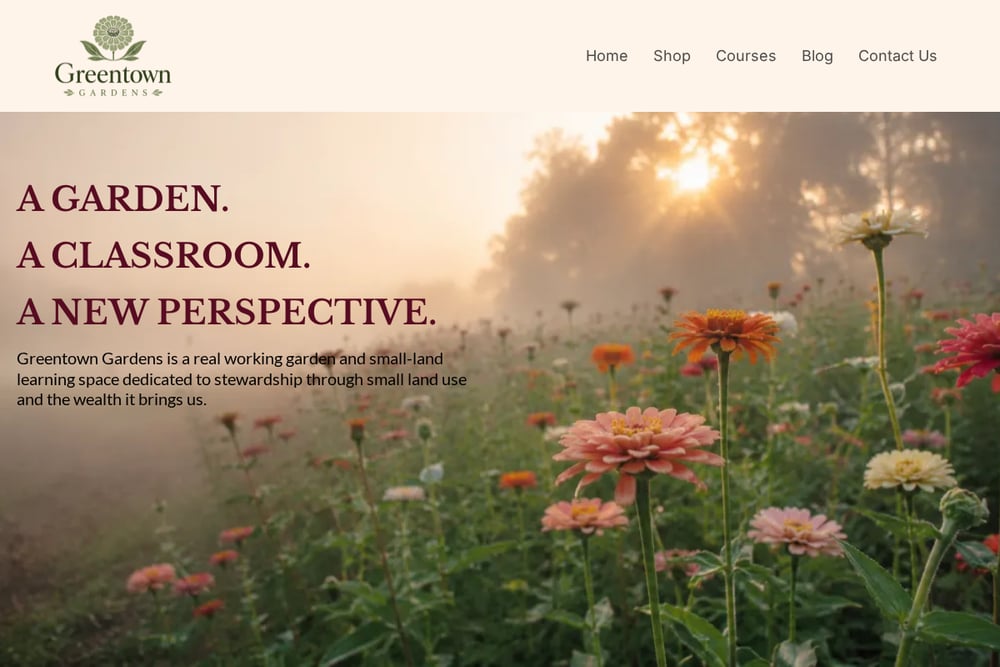 A screenshot of the Greentown Gardens website.
Greentown Gardens is a working garden and learning space run by Louis Green, blending real garden experiments with wildlife observation. It's not about perfect, professional farming—it's about showing that any small plot can grow food, beauty, and habitat. The blog covers practical topics like planting fall flowers, managing wet areas, and identifying butterflies versus moths. You'll find short courses and a shop, but the real value is in the stewardship mindset it cultivates. This program encourages you to slow down and see your land's potential beyond conventional landscaping. It's ideal for nature-minded learners who want a hands-on, story-driven approach.
#3 Washington State University Small Acreage Program
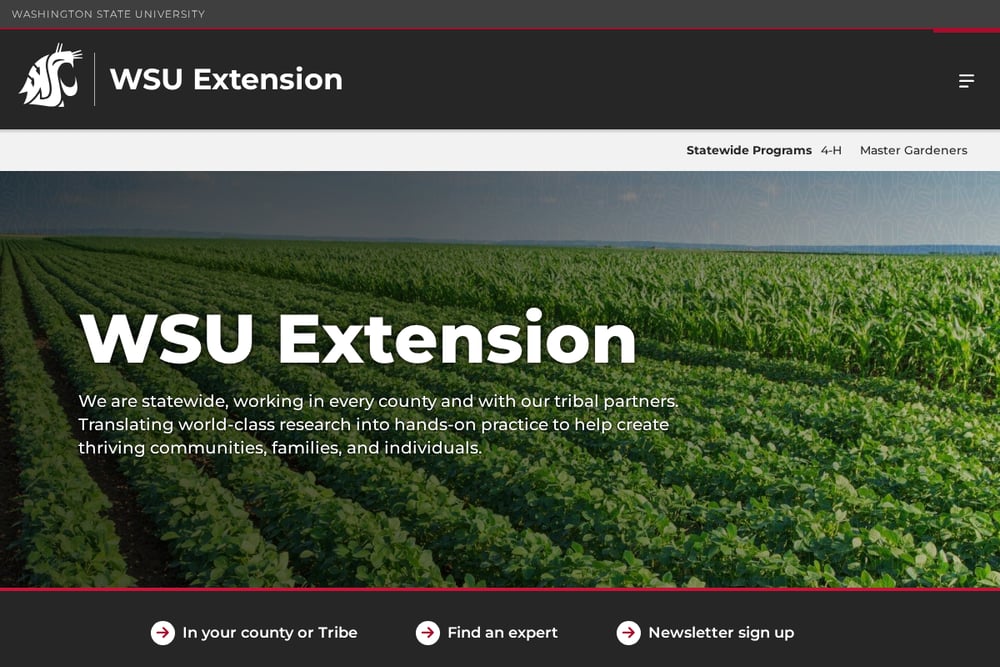 A screenshot of the Washington State University website.
Washington State University's Small Acreage Program focuses on practical workshops and outreach for residents managing small properties. Topics include mud and manure management, fencing, pasture care, and water quality—issues that directly affect daily land use. The program is rooted in local extension expertise, making it highly relevant for Pacific Northwest landowners. You'll get actionable advice that you can apply immediately to your own acreage. It's a solid choice if you're dealing with specific challenges like livestock or drainage. The community-based approach means you're learning alongside neighbors facing similar issues.
#4 Wildlife Habitat Federation Land Smart
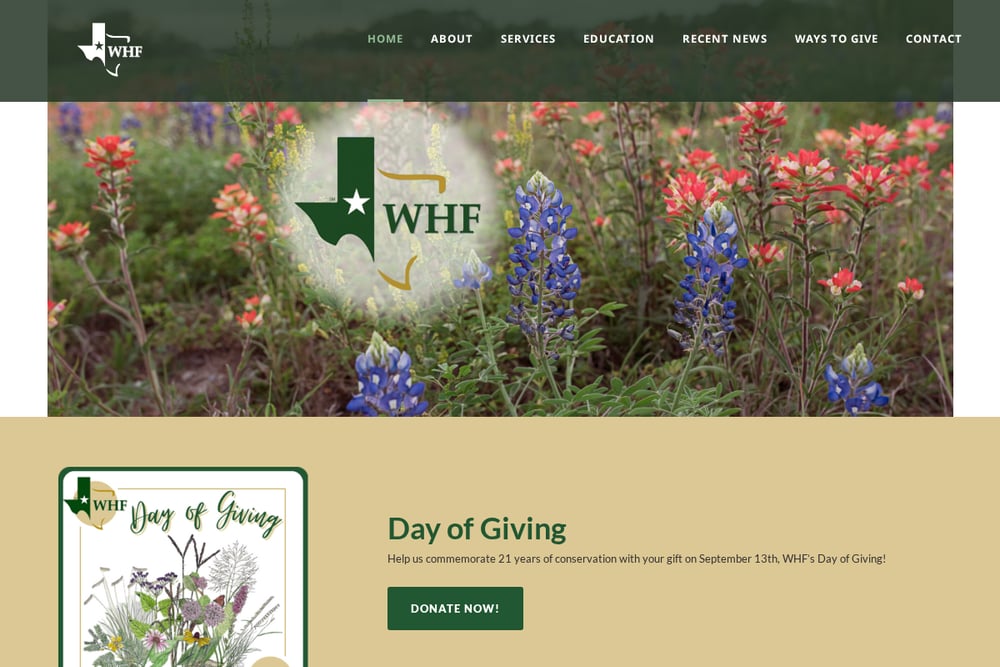 A screenshot of the Wildlife Habitat Federation website.
The Wildlife Habitat Federation's Land Smart workshop is a free, one-day event that helps small landowners unlock their property's potential. You'll learn about soil, water, vegetation, and options like livestock, wildlife, beekeeping, and small-scale farming. The workshop includes expert panels, hands-on demonstrations, and vendor visits, giving you a well-rounded introduction to stewardship. It's particularly strong on tax benefits and funding sources for new landowners. This program is perfect for those who want a concentrated, interactive learning experience. You'll leave with a clearer vision for your land and a network of local experts.
#5 Powell Clarks Fork Conservation District Land Stewardship Program
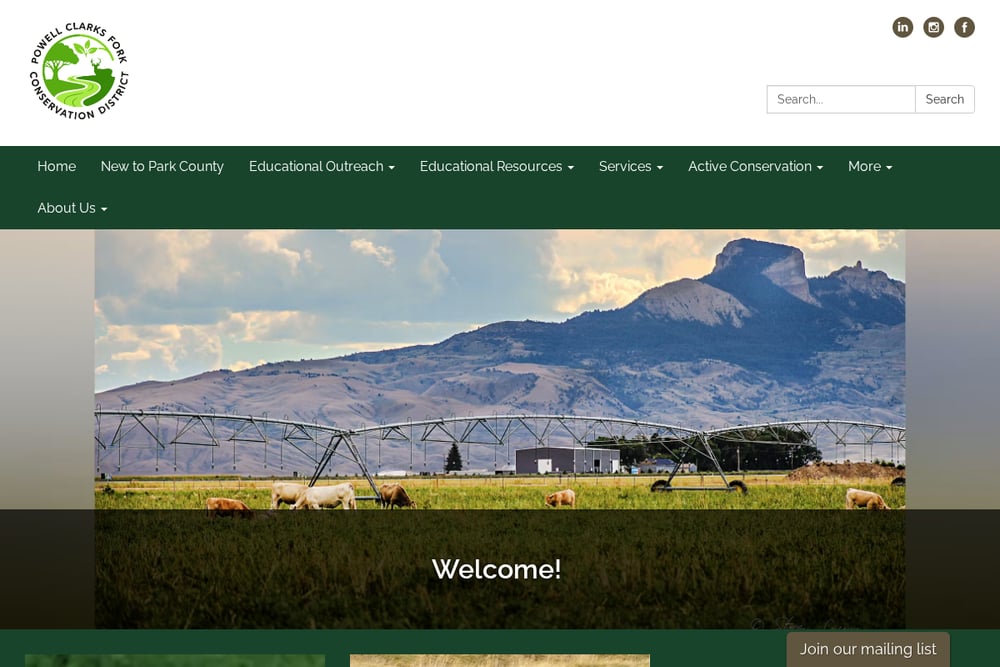 A screenshot of the Powell Clarks Fork Conservation District website.
The Powell Clarks Fork Conservation District offers a land stewardship program that helps you create a personalized plan for your rural property. Classes cover soil and plant health, weed and pest management, water rights, grazing, and wildlife habitat. The program is designed to introduce you to local resources and online tools for ongoing management. It's a great option if you want a structured path to developing a comprehensive land plan. The program starts in early 2027, so you can get ahead by contacting the office now. This is a community-driven approach that connects you with local agencies and experts.
How to Choose the Right Stewardship Program for You
Start by thinking about your land's current state and your goals. If you want a deep, self-paced education, Colorado State University is a strong fit. For a more personal, story-driven approach, Greentown Gardens offers real-world inspiration. If you're dealing with specific issues like livestock or drainage, Washington State University's workshops are practical. For a free, one-day immersion, the Wildlife Habitat Federation's Land Smart is unbeatable. And if you want a structured plan, the Powell Clarks Fork program will guide you step by step. Consider your learning style, budget, and time commitment before diving in.
Automating Your Stewardship Journey
You can streamline your learning by setting up a simple workflow. Use a note-taking app to capture insights from each program's blog or course materials. Schedule a weekly reminder to apply one new practice to your land. For example, after reading a Greentown Gardens post on fall flowers, you could set a task to plant zinnias. Use a spreadsheet to track your soil tests, water usage, and wildlife sightings. This way, you turn knowledge into action without feeling overwhelmed.
Your Land, Your Legacy
No matter which program you choose, the goal is the same: to see your small plot as a valuable, living ecosystem. Each of these five options offers a unique path to stewardship, from academic courses to hands-on workshops. The best choice is the one that resonates with your land and your lifestyle. Start small, stay curious, and let your land teach you. Your stewardship journey begins today.