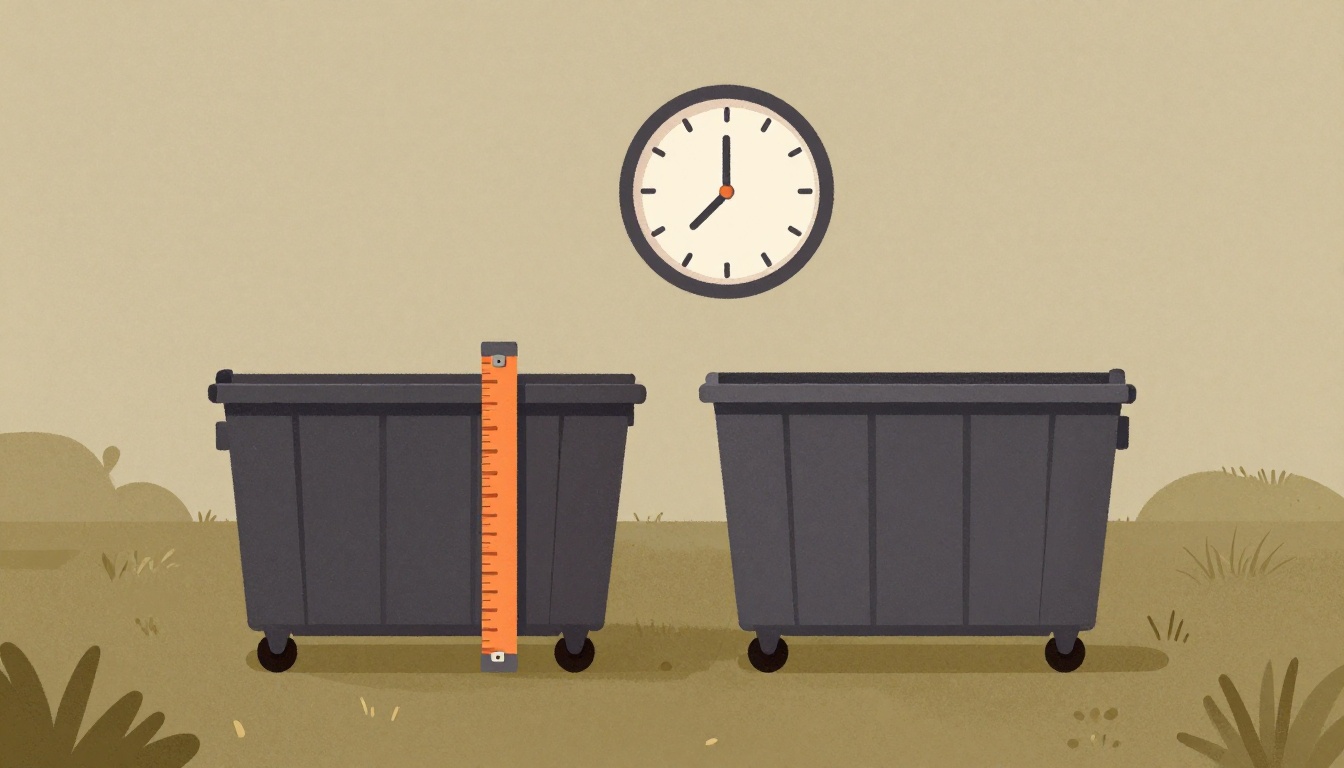
Renting a roll-off dumpster seems straightforward: pick a size, schedule a drop-off, fill it up, and call for a pickup. But in practice, the process trips up many first-time renters. According to Grambo's – Roll Off & Waste, a veteran-owned waste disposal company serving Northeast Florida, the most common errors come down to two basic decisions: choosing the wrong dumpster size and misjudging the rental duration.
As the company puts it, "They are not sure on what size dumpster they need or how long they need it." That uncertainty often leads to overpaying, delayed projects, or the frustration of running out of space mid-job.
Why Size Matters More Than You Think
Roll-off dumpsters come in a range of sizes, typically from 10 to 40 cubic yards. A 10-yard unit might hold about three pickup truck loads of debris, while a 40-yard container can take roughly twelve. The right size depends on the scope of your project—not just the type of waste.
A common mistake is renting a smaller dumpster to save money, only to realize halfway through a renovation that you need a second container. That doubles your delivery fees and extends the timeline. On the flip side, renting too large a container wastes money on unused capacity. For example, a home renovation guide from This Old House notes that a 20-yard dumpster suits most mid-sized kitchen or bath remodels, while a 30-yard unit is better for full-home cleanouts or roofing projects.
Another factor people overlook is weight. Dumpster rentals have weight limits, and heavy materials like concrete, dirt, or shingles can quickly push you over. If you're disposing of dense debris, you may need a smaller container with a higher weight allowance rather than a larger one that maxes out on pounds. The Environmental Protection Agency's construction debris page offers useful context on how different materials affect disposal logistics.
The Timing Trap
Equally critical is how long you keep the dumpster. Most companies offer weekly rental periods, but projects rarely stick to a perfect schedule. Delays from weather, permit approvals, or subcontractor availability can stretch a one-week rental into two or three. If you underestimate, you'll face daily overage fees that quickly add up.
Grambo's advises customers to think through their project timeline before booking. Ask yourself: Will demolition take longer than expected? Are you waiting on inspections? Do you need to sort or donate items before tossing them? Adding a few extra days upfront is often cheaper than extending later.
For larger projects, it's also wise to coordinate delivery with your actual start date. Many people schedule the dumpster too early, then pay for idle days while they prep the site. A project planning checklist from HGTV suggests aligning delivery with the first day of active demolition or cleanup.
Practical Tips for a Smooth Rental
To avoid the most common pitfalls, Grambo's recommends a few simple steps:
- Estimate your debris volume. Use online calculators or ask the rental company for guidance based on your project type.
- Ask about weight limits. Confirm what materials you plan to toss and whether they're allowed in the container.
- Book for a realistic duration. Add a buffer day or two for unexpected delays.
- Clarify the rental terms. Know the base period, overage fees, and what happens if you need an extension.
For Northeast Florida residents and contractors, Grambo's – Roll Off & Waste offers local expertise in sizing and scheduling. Their team can help match a container to your specific job, whether it's a small garage cleanout or a major construction project. Visit their website to explore options and get a quote tailored to your needs.
Ultimately, the key to a stress-free dumpster rental is asking the right questions before you commit. A little upfront planning on size and duration saves you money, time, and the headache of a mid-project scramble.