
When life throws you a curveball, finding the right support can make all the difference. These five coaching practices offer unique paths to help you rebuild strength and confidence.
The Growing Field of Resilience Coaching
Resilience coaching has evolved from a niche service into a vital resource for individuals facing trauma, burnout, and life transitions. Today's coaches blend evidence-based techniques with personalized care, addressing both emotional healing and practical skill-building. Whether you're navigating personal hardship or seeking to prevent professional burnout, these practices offer tailored approaches that meet you where you are. The field emphasizes empowerment, self-awareness, and sustainable growth, making it accessible to a wide range of clients.
How We Evaluated These Practices
We assessed each practice on service scope, clarity of offerings, and how well they cater to diverse client needs. We looked for clear communication of methods, whether they offer personalized plans, and how they integrate mindfulness or trauma-informed care. Local fit and accessibility, including remote options, also played a role. Each practice stood out for its unique strengths, from specialized certifications to a focus on social justice.
Here's a quick snapshot of the five practices we explored, highlighting what each one brings to the table.
| Provider | Best For |
|---|---|
| Resilience Coach LLC | Trauma-informed therapy and coaching |
| Empowerment Coaching – From abandonment or life's other painful situations to developing resilience and confidence, no matter where you're at now, Empowerment Coaching can help. | Personalized resilience and confidence building |
| Resilience Institute | Corporate and professional resilience training |
| Circles International | Leadership burnout prevention and self-awareness |
| Healing Justice Liberation | Social justice-oriented healing and coaching |
A Closer Look at Each Practice
#1 Resilience Coach LLC
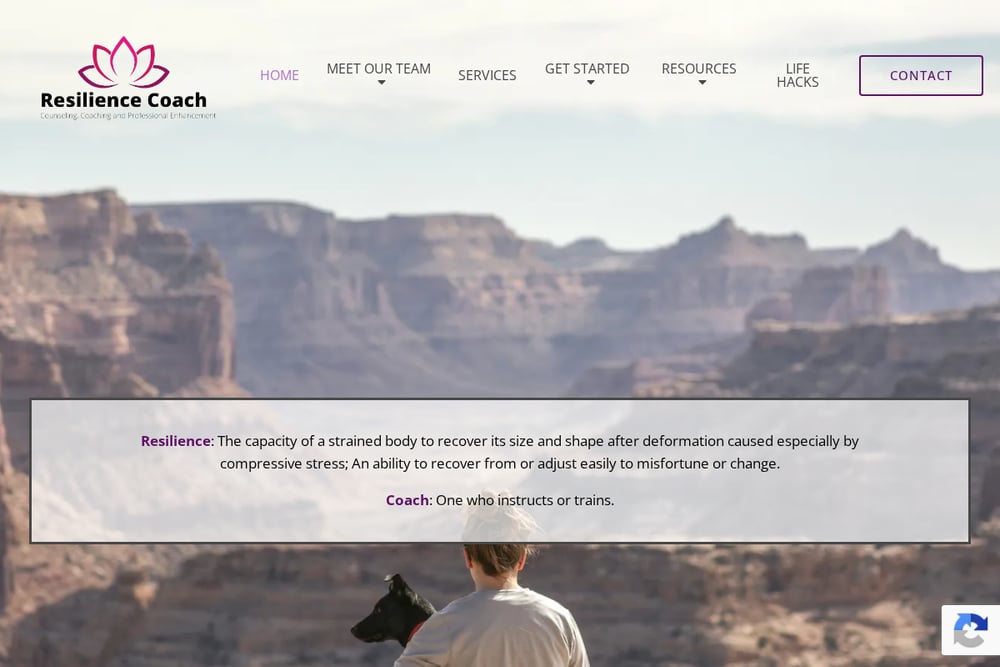 A screenshot of the Resilience Coach LLC website.
Resilience Coach LLC, based in Plymouth, MI, offers a values-forward therapy practice rooted in trauma-responsive and neuro-affirming care. They work with adults navigating trauma, neurodivergence, substance use, and identity exploration, providing a safe space for healing. Their approach is empowerment-based and decolonizing, ensuring that care is relational and identity-affirming. With telehealth available, they make support accessible to a broader audience. This practice is ideal if you're seeking a clinical yet compassionate environment to address complex mental health issues.
#2 Empowerment Coaching – From abandonment or life's other painful situations to developing resilience and confidence, no matter where you're at now, Empowerment Coaching can help.
 A screenshot of the Empowerment Coaching website.
Empowerment Coaching offers personalized coaching that blends mindfulness with actionable steps to help you heal from hardship, set boundaries, and rebuild confidence. Their customized plans prioritize your pace, values, and personal growth milestones, ensuring that every session aligns with your unique journey. They emphasize supportive accountability to help you sustain momentum and celebrate progress along the way. Whether you're recovering from abandonment or other painful situations, this practice meets you where you are. With a focus on practical tools and resilience, it's a great fit for those seeking a holistic, client-centered approach.
#3 Resilience Institute
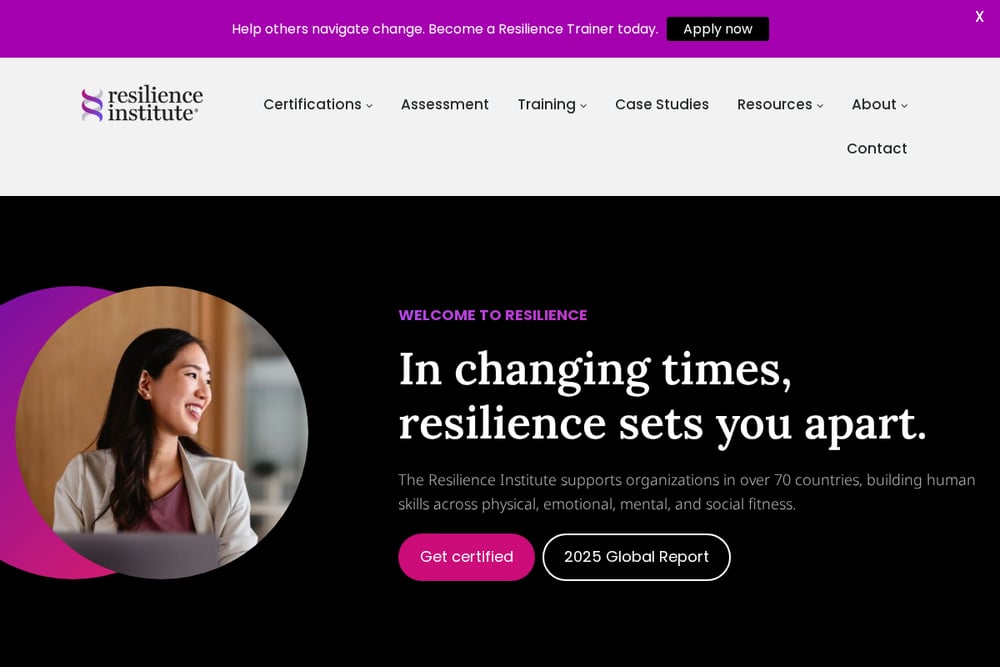 A screenshot of the Resilience Institute website.
Resilience Institute provides a data-driven approach to resilience coaching, offering certification programs for professionals and organizations. Their methodology integrates the Resilience Assessment tool to deliver actionable insights on emotional intelligence, burnout risk, and readiness. This practice is ideal for HR professionals, L&D experts, and leaders looking to support teams toward sustained well-being. With ICF and SHRM approval, their certification is recognized globally. If you're looking to build resilience at scale, this is a strong choice.
#4 Circles International
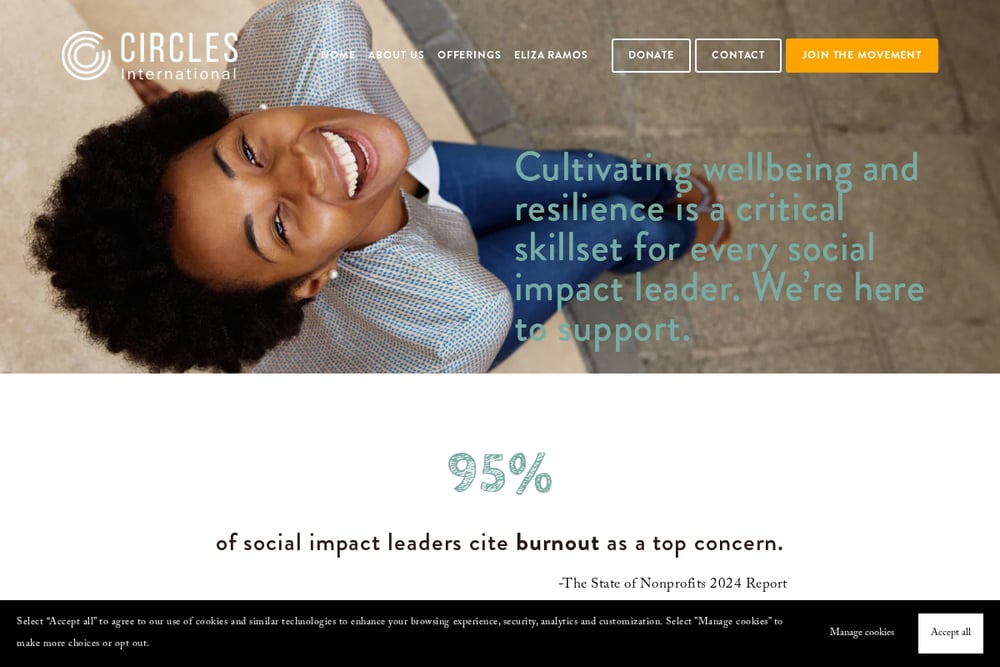 A screenshot of the Circles International website.
Circles International offers resilience coaching specifically for leaders in service-oriented roles, aiming to prevent burnout and sustain long-term impact. Their coaching creates a confidential, reflective space through personalized one-on-one sessions by phone or video. They blend practical leadership coaching with therapeutic emotional support, drawing on chaplaincy and social work practices. This approach helps you tap into your own wisdom and agency as you navigate professional and personal challenges. It's a great fit for those in helping professions who need a supportive, trauma-informed space.
#5 Healing Justice Liberation
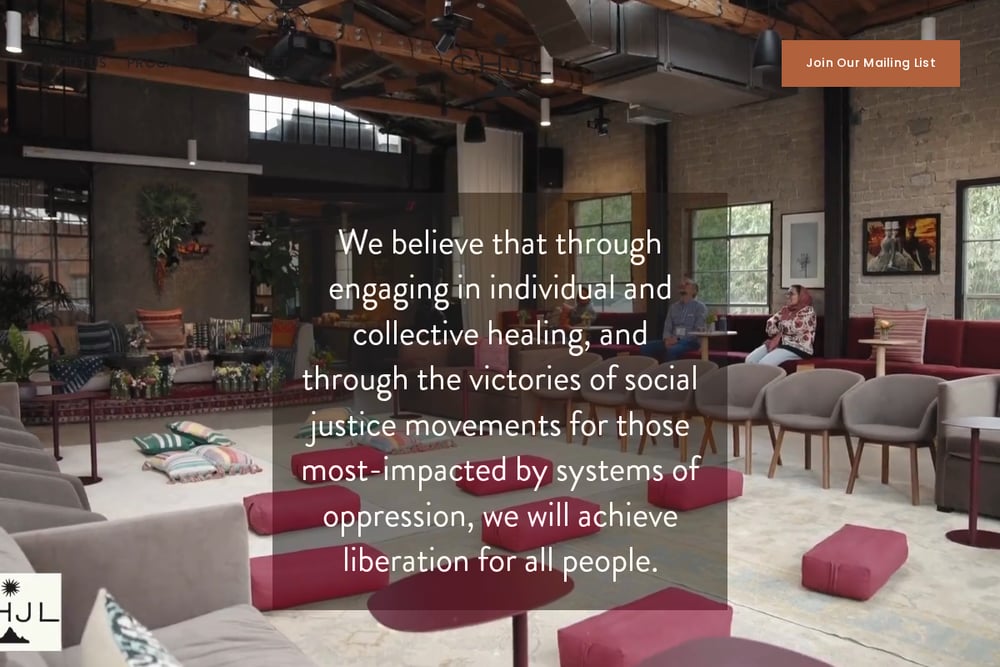 A screenshot of the Healing Justice Liberation website.
Healing Justice Liberation focuses on coaching for healing, justice, and liberation, with a strong emphasis on individual and collective healing. Their programs include a 9-month Liberatory Coaching Certification and coaching for healing in prisons, reflecting a commitment to social justice. They believe that through engaging in healing and holding oppressive systems accountable, liberation is achievable. This practice is ideal if you're looking for a coach who understands systemic oppression and integrates it into the healing process. Their approach is deeply rooted in community and movement building.
How to Choose the Right Resilience Coach for You
Start by identifying your primary goals—whether it's healing from past trauma, building confidence, or preventing burnout. Consider the coach's specialization and whether their approach aligns with your values, such as mindfulness or social justice. Look for practices that offer personalized plans and clear communication about their methods. Also, think about logistics: do they offer remote sessions, and is their pricing transparent? Finally, trust your gut—choose a coach who makes you feel heard and supported.
Streamlining Your Search for Support
To find the right resilience coach, you can use online directories and search engines to compare practices. Many coaches offer free initial consultations, so take advantage of those to gauge fit. Use scheduling tools to book sessions that fit your availability, and consider using a CRM to track your progress and goals. Automation can help you stay consistent with appointments and follow-ups, ensuring you get the most out of your coaching experience.
Finding Your Path to Resilience
Each of these five practices offers a unique pathway to resilience, whether you're seeking personal healing, professional development, or a social justice lens. The key is to find a coach who resonates with your needs and values. Remember, resilience is not about going it alone—it's about finding the right support to help you thrive. Take the first step today, and you'll be on your way to building lasting strength and confidence.