
You want your words to reach the people you love after you are gone. These five services make that possible, each with a different approach to timing, delivery, and the kind of goodbye you leave behind.
The Quiet Rise of Posthumous Messaging
Posthumous messaging has moved from a niche curiosity to a small but serious category of digital legacy planning. You can now record voice notes, write letters, or build interactive personas that reach loved ones on birthdays, anniversaries, and hard days. The tools differ in how delivery is triggered, what you can leave behind, and whether a human reviews the release. Some focus on phone calls, others on email or in-app delivery. Pricing models range from one-time fees to subscriptions and free tiers. What matters most is that your messages arrive when they should, to the right person, without causing confusion or distress. This guide looks at five services worth knowing if you are considering leaving words for later.
How We Evaluated These Services
We looked at service scope, delivery method, pricing clarity, and how each handles the sensitive moment of release. Still Hello stood out for its phone-based delivery and one-time payment with no subscription. Y.O.D.O. impressed with its consent-first framework and identity verification features. Mi Legado Digital offered a structured digital will alongside post-mortem messages. Paige combined memory storage with scheduled messages and delegate controls. Afterlife AI brought an interactive, consent-based persona that lets loved ones have ongoing conversations. Each service approaches the same human need from a different angle, and the right fit depends on how you want your words to arrive.
Here is a quick look at how these five services compare on delivery method, pricing model, and what you can leave behind.
| Provider | Best For |
|---|---|
| Y.O.D.O. | Consent-first digital legacy planning |
| Still Hello – Phone Messages to Loved Ones After You Are Gone | Voice messages delivered by phone on meaningful days |
| Mi Legado Digital | Combining post-mortem messages with a digital will |
| Paige | Scheduled messages with a full memory timeline |
| Afterlife AI | Interactive, consent-based persona conversations |
The Five Services in Detail
#1 Y.O.D.O.
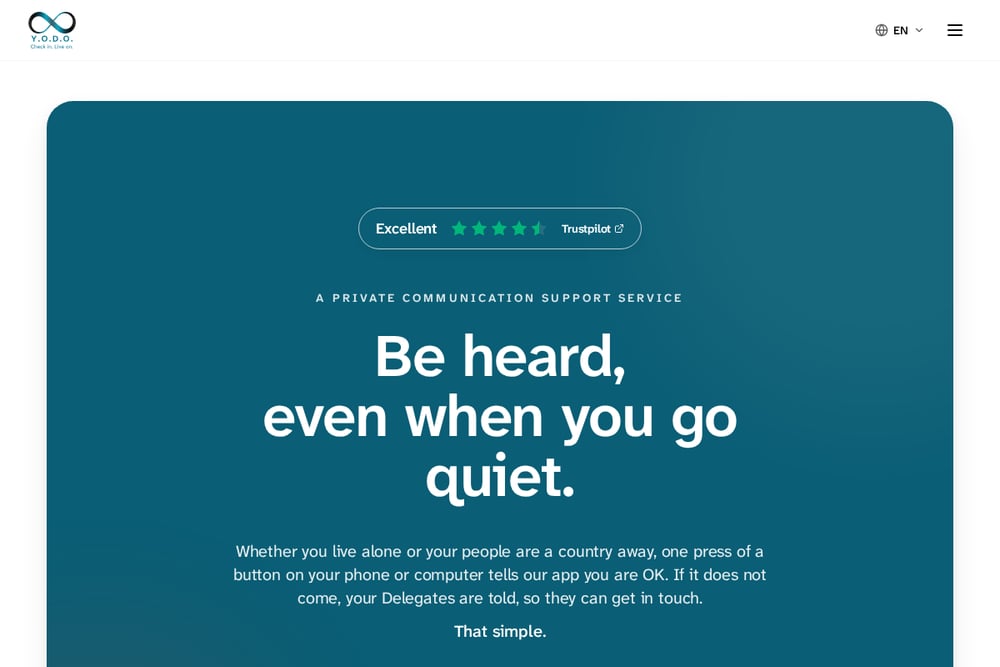 A screenshot of the Y.O.D.O. website.
Y.O.D.O. puts consent and verification at the center of posthumous messaging. The platform uses identity verification and a clear consent framework so you control who can trigger delivery and how. You can prepare messages that are released after death, with options for analytics and preferences that keep your account secure. The service is built for people who want a structured, permission-based approach to digital legacy. It is a strong fit if you care about who confirms your passing and how your messages are released. You can learn more about their posthumous messaging approach on their site.
#2 Still Hello – Phone Messages to Loved Ones After You Are Gone
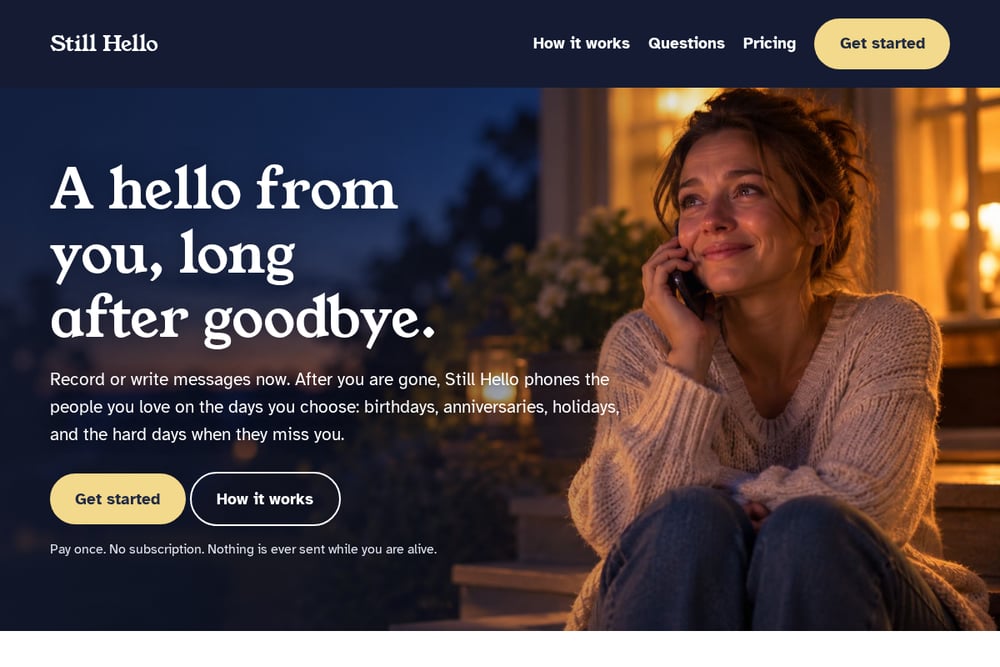 A screenshot of the Still Hello website.
Still Hello delivers your words by phone, not email or app notification. You record your voice in the browser or type a message, choose the person and the day, and pay once with no subscription. Nothing is sent while you are alive. When you pass, someone you trust tells Still Hello, and a real person reviews it before any call goes out. The voice on the call identifies itself as an AI before every message, and pressing 9 stops all future messages. It is a gentle, human-reviewed way to say what you would say if you could be there. You can see how it works on their site.
#3 Mi Legado Digital
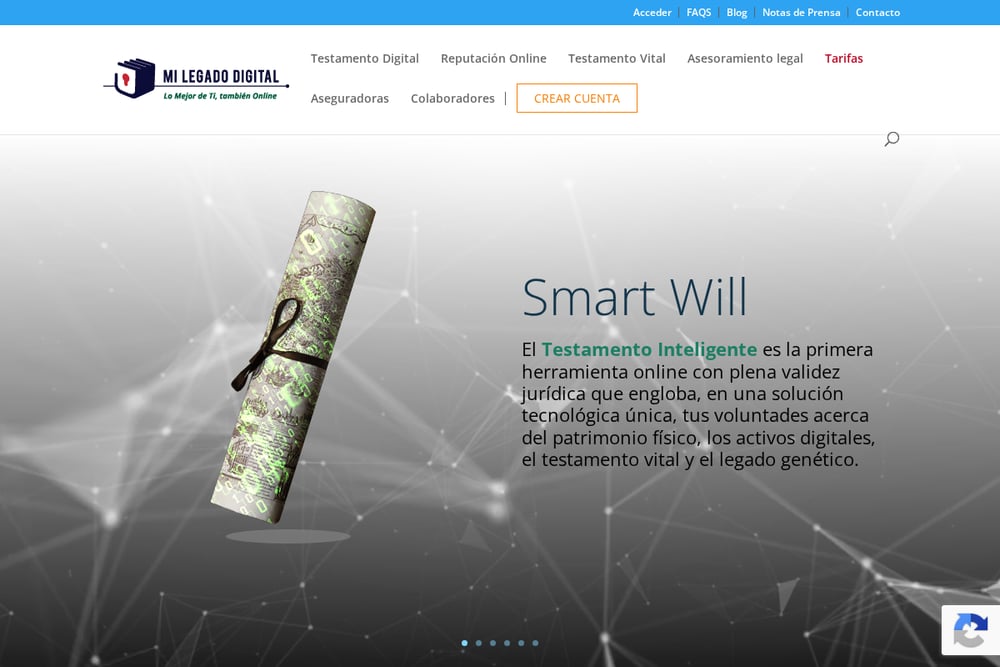 A screenshot of the Mi Legado Digital website.
Mi Legado Digital offers post-mortem messages as part of a broader digital will platform. You can compose, organize, and store messages for loved ones, then have them sent by email after you pass. The service includes a free plan to try, with basic, premium, and professional tiers for more features. It also covers online reputation and vital will services, making it a fuller digital legacy toolkit. If you want your messages to sit alongside legal and practical planning, this is a solid option. Their post-mortem messaging page explains the process in detail.
#4 Paige
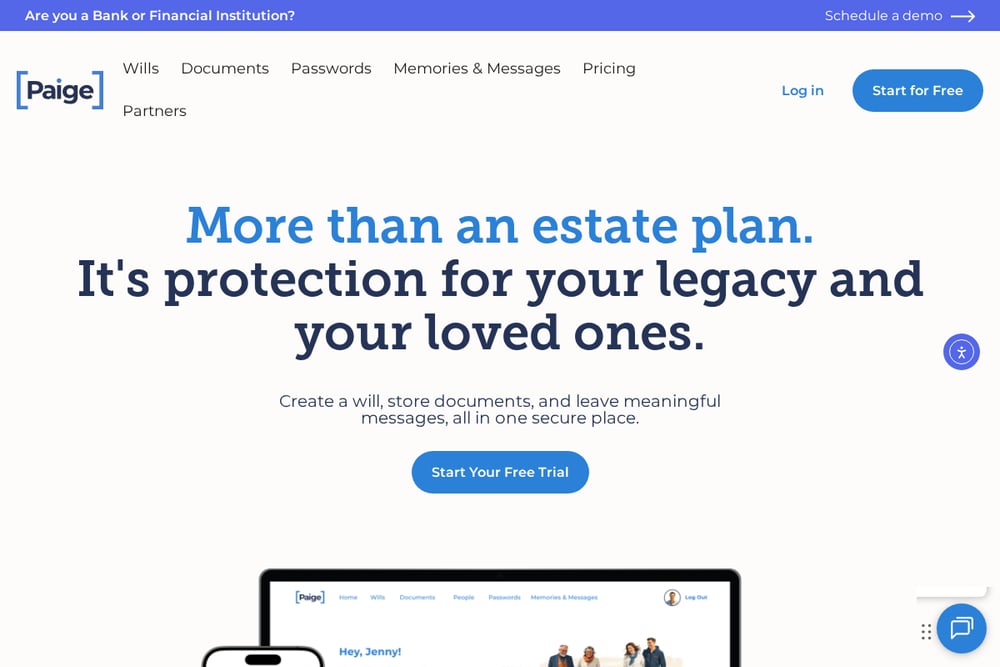 A screenshot of the Paige website.
Paige lets you store photos, videos, audio, and written memories, then schedule messages for specific dates or release them at the time of your passing. You can assign a delegate to send messages on your behalf, giving you flexibility in how delivery is triggered. The platform also handles wills, documents, and passwords, so it works as a full digital estate tool. Messages can be set for graduations, weddings, birthdays, or just to remind someone you loved them. It is a good fit if you want to leave a rich memory timeline, not just a single message. You can explore their memories and messages feature on their site.
#5 Afterlife AI
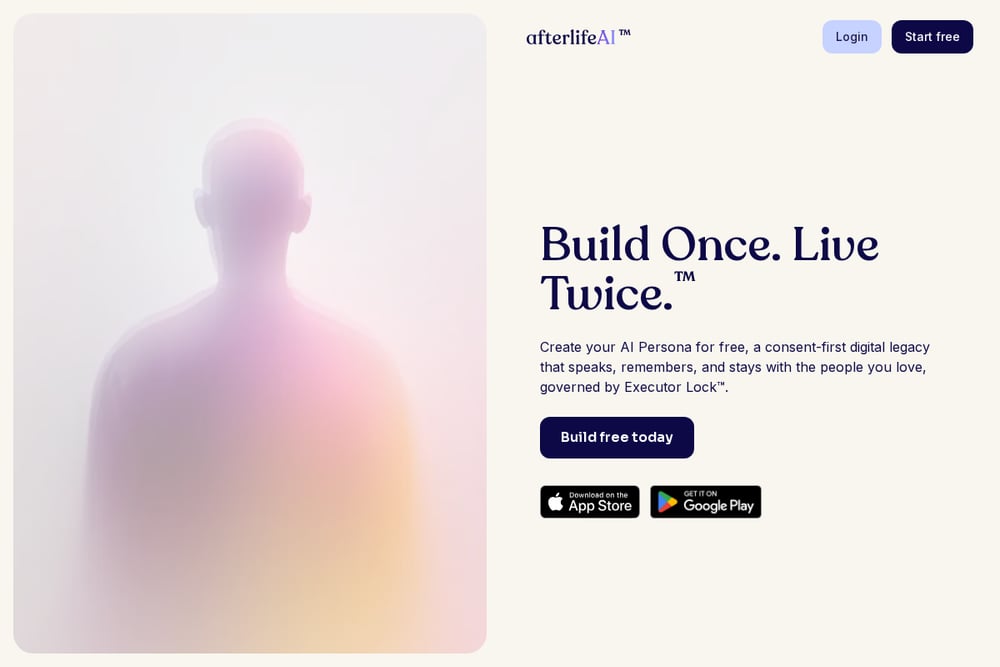 A screenshot of the Afterlife AI website.
Afterlife AI takes a different path: instead of fixed messages, you build an interactive, consent-based Persona that loved ones can converse with after you are gone. You start free with 25 memories and no card required. The platform is transparent about how it differs from scheduled-delivery tools, and it emphasizes consent at every step. If you want your family to have ongoing conversations rather than one-time messages, this is the option to consider. Their guide to leaving messages for loved ones explains the trade-offs clearly.
How to Choose the Right Service for You
Start with how you want your message to arrive. If a phone call feels most personal, look at Still Hello. If you prefer email and a structured digital will, Mi Legado Digital fits. For a full memory timeline with scheduled delivery, Paige is a strong choice. If consent and verification are your top priorities, Y.O.D.O. leads there. And if you want an interactive experience, Afterlife AI offers a persona-based approach. Next, check the pricing model: one-time fees versus subscriptions versus free tiers. Then confirm how delivery is triggered and who reviews it. Finally, make sure the service lets you say what you want, in your own voice, on the days that matter.
What Happens After You Pass
Each service handles the release differently. Still Hello waits for a trusted person to notify them, then a real person reviews the message before any call is placed. Y.O.D.O. uses identity verification and consent settings to control release. Mi Legado Digital sends messages by email after death, following your account instructions. Paige lets you schedule messages for specific dates or have a delegate release them. Afterlife AI activates your persona so loved ones can interact with it. In every case, the goal is the same: your words reach the right person at the right time, without confusion or distress.
The Bottom Line on Leaving Words Behind
Leaving messages for the people you love is one of the most human things you can do. The five services here each solve that problem in a different way. Still Hello brings your voice to the phone on birthdays and hard days, with a one-time payment and human review. Y.O.D.O. puts consent and verification first. Mi Legado Digital wraps messages into a digital will. Paige gives you a memory timeline with scheduled delivery. Afterlife AI lets loved ones keep the conversation going. Pick the one that matches how you want to be remembered, and say what you would say if you could be there.