
If you're serious about building explosive power, you need more than just a list of jumps. These five platforms bring the science and structure to your plyometric training.
The State of Plyometric Training Software
Plyometric training has moved beyond simple box jumps and hurdle hops. Coaches and athletes now demand data-driven approaches that track volume, monitor ground contacts, and prevent overtraining. The market has responded with a mix of educational courses, coaching tools, and specialized SaaS platforms. Whether you're a seasoned strength coach or a weekend warrior, the right tool can make the difference between plateauing and setting new PRs. This roundup covers five distinct options that cater to different needs, from in-depth video courses to automated volume tracking.
How We Evaluated These Platforms
We looked at each platform through the lens of a coach or athlete seeking to improve plyometric performance. Key factors included the depth of educational content, the practicality of tools for daily training, the clarity of pricing, and how well each integrates into a real-world coaching workflow. We also considered the target audience—whether a platform serves beginners, elite athletes, or the coaches who guide them. Each platform brings a unique strength, and our evaluations highlight what stood out for each.
Here's a quick snapshot of the five platforms we're diving into, so you can see at a glance what each one offers.
| Provider | Best For |
|---|---|
| Ascent Track Clinics | Coaches seeking in-depth plyometric education |
| Build Explosive Power | PlyoPlanner | Coaches and athletes who want automated volume tracking |
| FitPro | Fitness professionals seeking CPD credits |
| Inspire360 | Coaches wanting to clarify plyometric terminology |
| Iron Strong Fitness | Women over 50 looking for safe plyometric training |
The Five Platforms, Closer Look
#1 Ascent Track Clinics
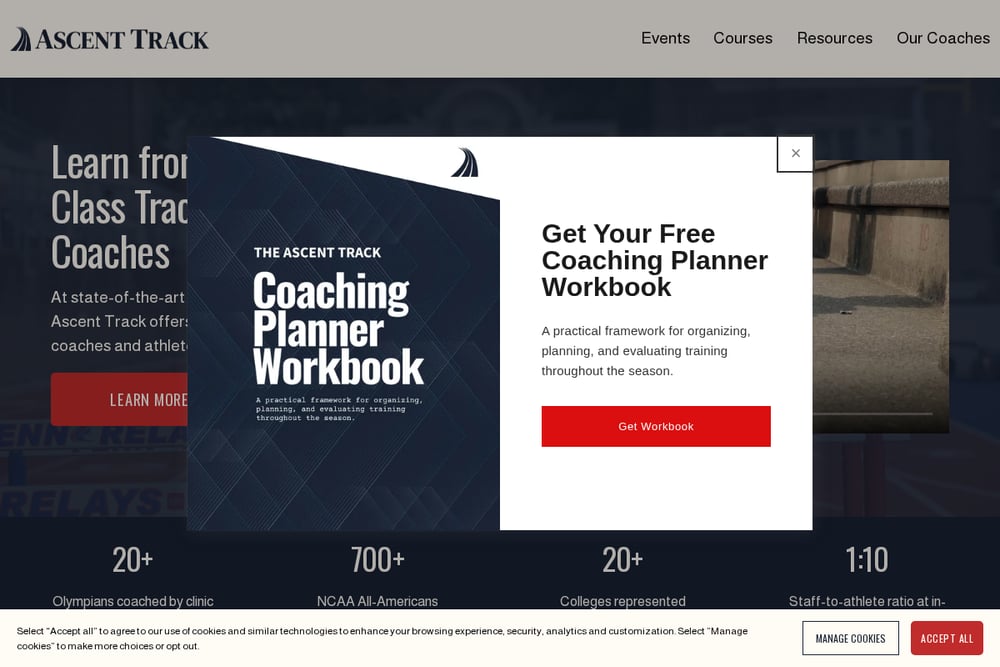 A screenshot of the Ascent Track Clinics website.
Ascent Track Clinics offers a comprehensive video course on plyometric training design and administration, taught by renowned coach Boo Schexnayder. The course covers everything from multijump basics to advanced depth jumps, with 33 pages of course materials and knowledge retention checks. It's ideal for coaches who want a deep, structured education on plyometric principles and programming. The content is practical, with real-world examples and progressions you can apply immediately. If you're looking to build a solid foundation in plyometric science, this is a strong choice. Source: Ascent Track Clinics
#2 Build Explosive Power | PlyoPlanner
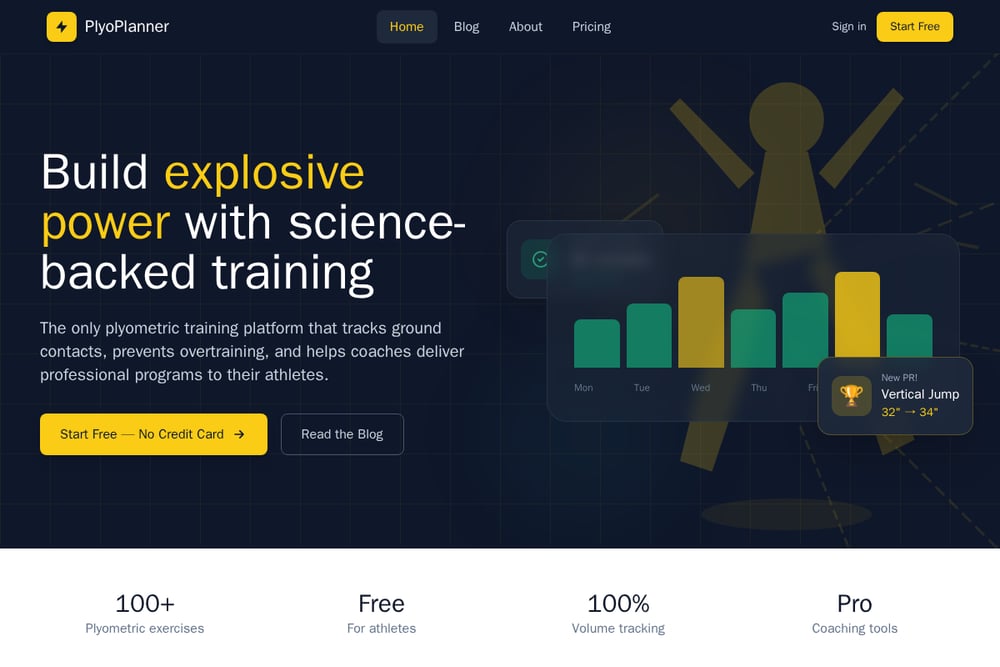 A screenshot of the PlyoPlanner website.
PlyoPlanner is a dedicated plyometric training platform that tracks ground contacts and helps you stay in the 'green zone' to avoid overtraining. It offers a library of over 100 exercises with intensity ratings, plus tools for volume tracking and coach-athlete communication. Athletes get free access to assigned plans, while coaches can manage unlimited clients and track progress. This is the only platform that automates the complex math of plyometric volume, making it a game-changer for serious coaches. If you want to move from guesswork to data-driven programming, PlyoPlanner is built for you. Source: PlyoPlanner
#3 FitPro
 A screenshot of the FitPro website.
FitPro offers a bite-sized CPD course on the A-Z of program design for plyometric training, focusing on periodisation and exercise selection. It's designed for fitness professionals who want to deepen their understanding of plyometrics without a huge time commitment. The course covers different plyometric categories, including concentric dominant and tendon stiffness, with real-world examples. It's a practical way to earn continuing education credits while improving your coaching toolkit. If you're a personal trainer or strength coach looking for a quick, credible update, FitPro delivers. Source: FitPro
#4 Inspire360
 A screenshot of the Inspire360 website.
Inspire360 provides a free article that dives into the terminology and system design of plyometric training, addressing common misclassifications. It's a valuable resource for coaches who want to standardize their language and understand the foundational concepts of jumps, hops, bounds, and skips. The article emphasizes the need for a universal terminology to improve communication between coaches and athletes. While it's not a full course or software, it's a solid starting point for those new to plyometrics or looking to refine their approach. If you're a coach who values clarity and precision, this is worth a read. Source: Inspire360
#5 Iron Strong Fitness
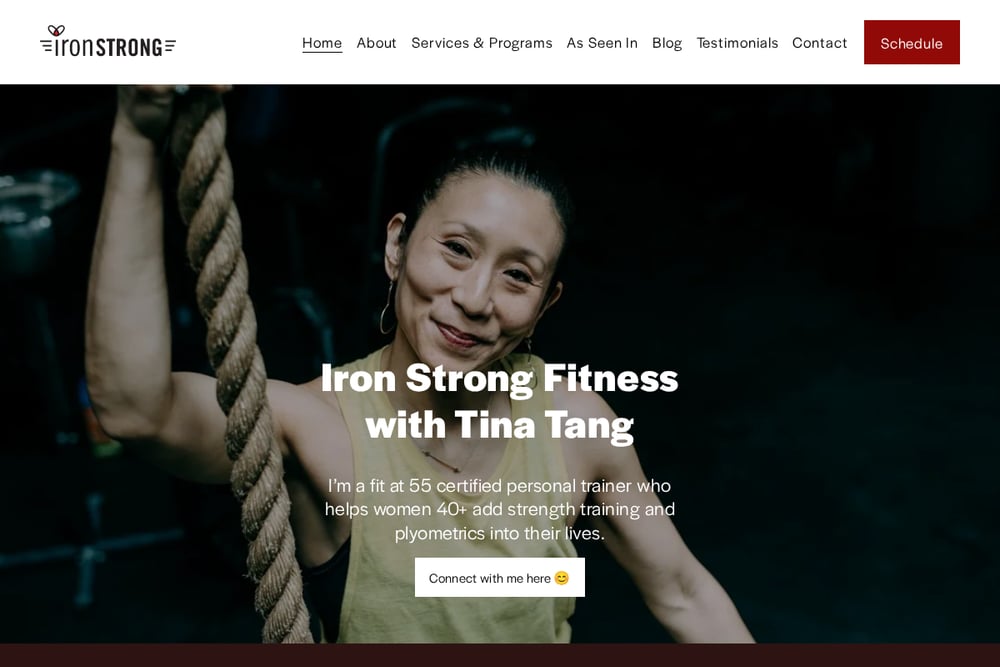 A screenshot of the Iron Strong Fitness website.
Iron Strong Fitness offers a 9-week online intro to plyometrics program specifically designed for women over 50. The program focuses on safe, gradual exposure to jumping and landing mechanics, with an emphasis on joint resilience and bone health. It includes weekly guidance, a private community, and live Zoom coaching sessions for form checks. This is a niche offering that fills a gap for older athletes who want to add plyometrics without fear of injury. If you're a woman over 50 looking to feel agile and light on your feet, this program is tailored for you. Source: Iron Strong Fitness
How to Choose the Right Plyometric Platform
Start by asking yourself what you need most: education, tracking, or community. If you're a coach who wants to master the science, a course like Ascent Track Clinics or FitPro might be your best bet. If you're already comfortable with programming but want to automate volume tracking and athlete management, PlyoPlanner is the clear choice. For a free resource to sharpen your terminology, Inspire360 is a quick win. And if you're an older athlete or coach working with that demographic, Iron Strong Fitness offers a specialized, supportive program. Consider your budget, time commitment, and whether you need tools for client management or just personal training. The right platform should fit seamlessly into your existing workflow.
Automating Plyometric Programming with PlyoPlanner
PlyoPlanner simplifies the coaching workflow by automating ground contact calculations and volume tracking. You start by selecting exercises from the library, and the platform automatically calculates the number of foot contacts per session. It then compares that against the 'green zone'—the optimal range for adaptation without overtraining. You can assign plans to athletes, who see their workouts and log PRs on their free account. The coach dashboard gives you a bird's-eye view of progress and alerts you to any red flags. This automation frees you up to focus on coaching, not math.
The Bottom Line
The plyometric training landscape in 2026 offers something for everyone, from deep-dive courses to automated tracking tools. Whether you're a coach looking to refine your programming or an athlete wanting to track your progress, there's a platform here that fits. PlyoPlanner stands out for its unique focus on volume tracking and coach-athlete connection, making it a valuable addition to any serious coach's toolkit. The others each bring their own strengths, so take a moment to consider your specific needs. The right choice will help you build explosive power safely and effectively.