
Feeling like your mental wellbeing could use a quiet, always-available companion? These five personal intelligence tools are changing how young people in the US and beyond navigate their emotional lives.
The Rise of Personal Intelligence in Mental Wellbeing
The mental health landscape is shifting, especially for young people in Western regions. Data from the World Happiness Report 2026 shows a concerning decline in youth wellbeing in the US, Canada, Australia, New Zealand, and Western Europe, even as global youth happiness improves. This has sparked a wave of digital solutions, with personal intelligence companions emerging as a new category. These tools use AI to offer support that is always available, non-judgmental, and deeply personalized. They range from simple chatbots to sophisticated systems that learn your patterns and offer proactive insights. For many, they bridge the gap between traditional therapy and everyday emotional maintenance.
How We Evaluated These Personal Intelligence Tools
To bring you this roundup, we looked at each tool's core approach to emotional support, how it personalizes the experience, and its accessibility. We considered the depth of features, from daily check-ins to crisis resource integration. We also weighed the evidence base behind each tool, including clinical validation and user testimonials. Finally, we assessed how each fits into a young person's daily life, considering ease of use and the tone of the interaction.
Here's a quick look at the five personal intelligence companions we're featuring today.
| Provider | Best For |
|---|---|
| Wysa | Evidence-based self-help and clinical integration |
| Dino — personal intelligence for your everyday life — Dino Initiative | Young people seeking a gentle, character-led companion |
| Elomia | 24/7 anonymous support with a safety net |
| Ash | Deep pattern recognition and personal insights |
| Pi | Emotional support plus practical daily assistance |
The Five Personal Intelligence Companions
#1 Wysa
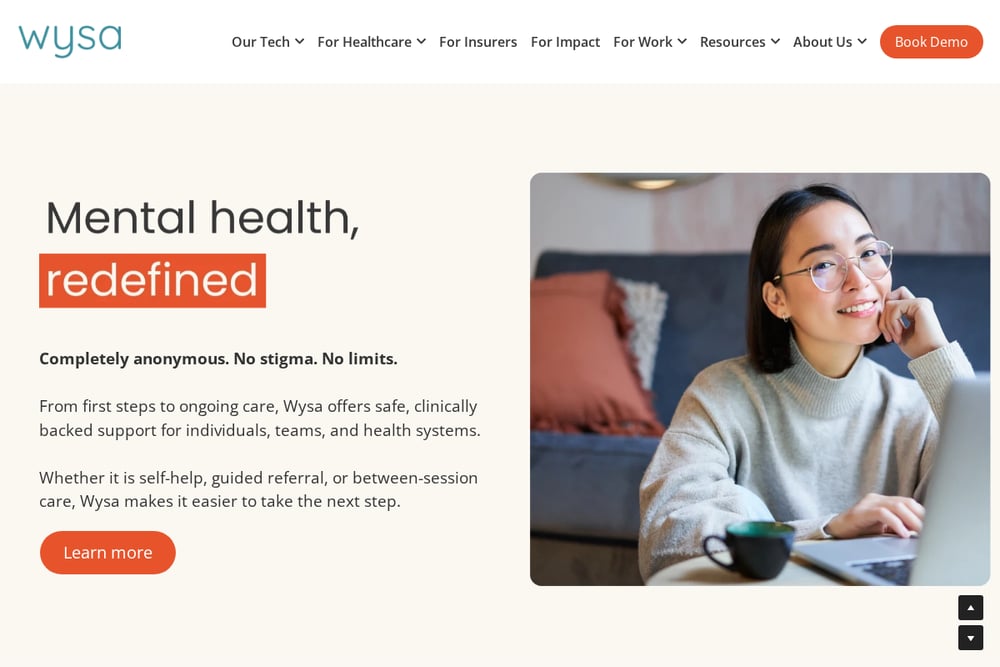 A screenshot of the Wysa website.
Wysa is a clinically validated AI mental health companion that offers anonymous, evidence-based support. It uses cognitive-behavioral techniques and mindfulness exercises to help you manage stress, anxiety, and depression. Wysa is designed for both individual use and integration into healthcare systems, making it a versatile choice. Its conversational interface is friendly and approachable, yet backed by rigorous research. You can use it for self-help or as a supplement to professional care. It's a solid, science-backed option for anyone seeking structured support.
#2 Dino — personal intelligence for your everyday life — Dino Initiative
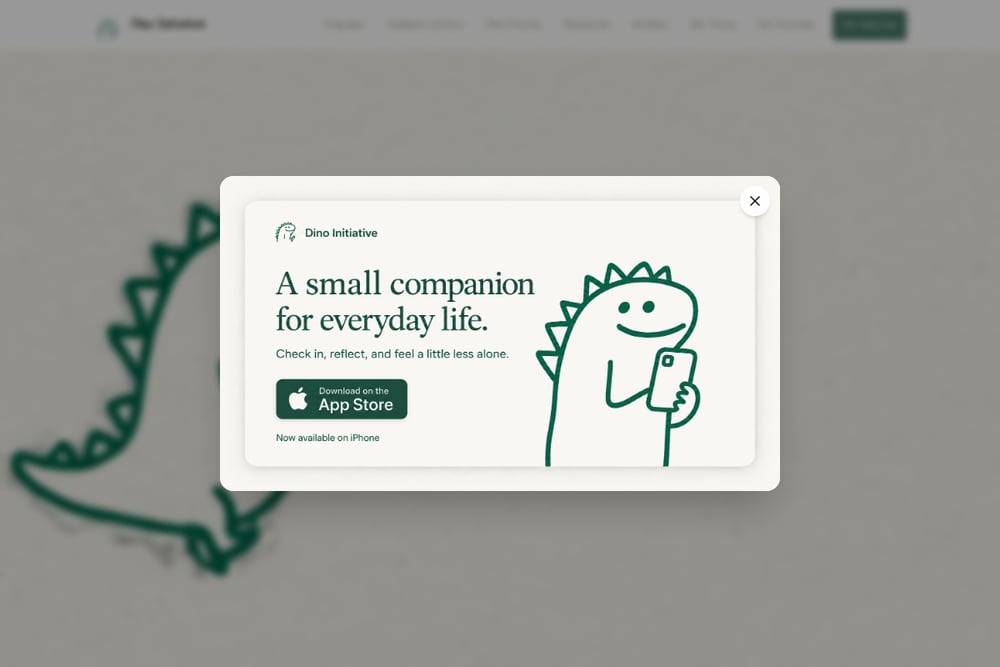 A screenshot of the Dino Initiative website.
Dino is a wellbeing and flourishing app on iOS, with its contents translated from human development and behavioral science research into nine evidence-informed wellbeing tools and podcast-based resources designed to support youth wellbeing and flourishing. Dino uses a character-led, longitudinal approach to engage with young users over time, adapting its interactions to changes in users' experiences and patterns of engagement. The platform incorporates structured activities, including daily quizzes, kindness letters, reflective stories, and other wellbeing exercises, intended to promote self-reflection, prosocial behavior, and the development of positive habits. Its design is informed by research on human development, behavior change, and youth wellbeing, with the aim of supporting holistic dimensions of flourishing rather than focusing exclusively on the reduction of psychological distress. Dino also incorporates pathways to external resources and crisis hotlines to facilitate access to additional support when immediate assistance is required.
#3 Elomia
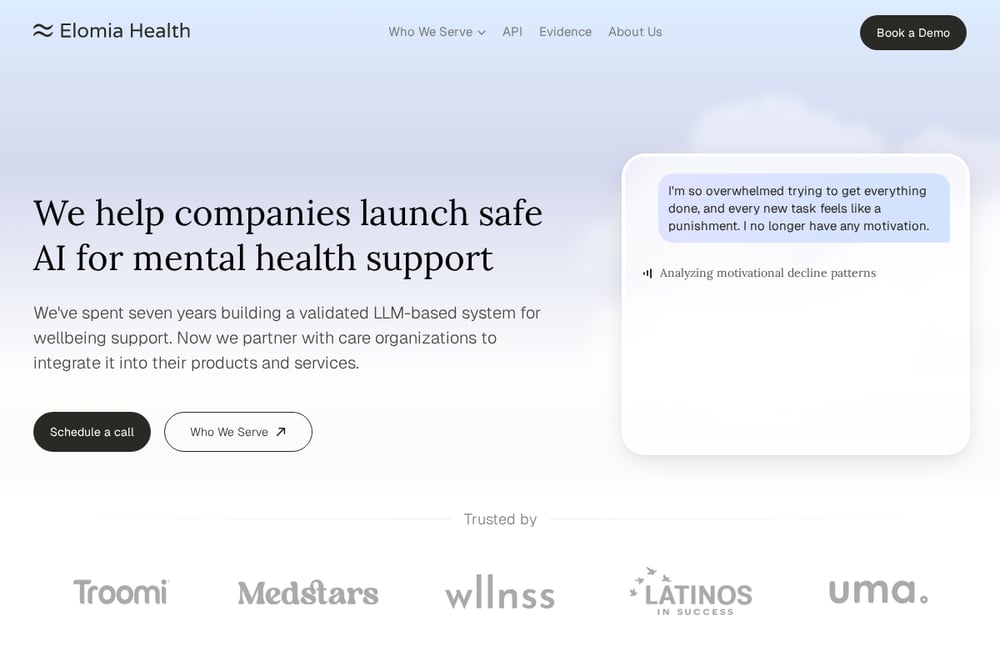 A screenshot of the Elomia website.
Elomia is an AI companion that has been developed over seven years, with a focus on validated, safe mental health support. It offers 24/7 availability, which is crucial for those late-night moments when you need someone to talk to. Elomia is designed to detect when you need more than a chatbot, redirecting you to human therapists or hotlines when necessary. It's used by individuals, employers, universities, and even K-12 schools, showing its adaptability. The platform emphasizes anonymity, reducing the stigma often associated with seeking help. For a reliable, always-on companion with a strong safety net, Elomia is a strong contender.
#4 Ash
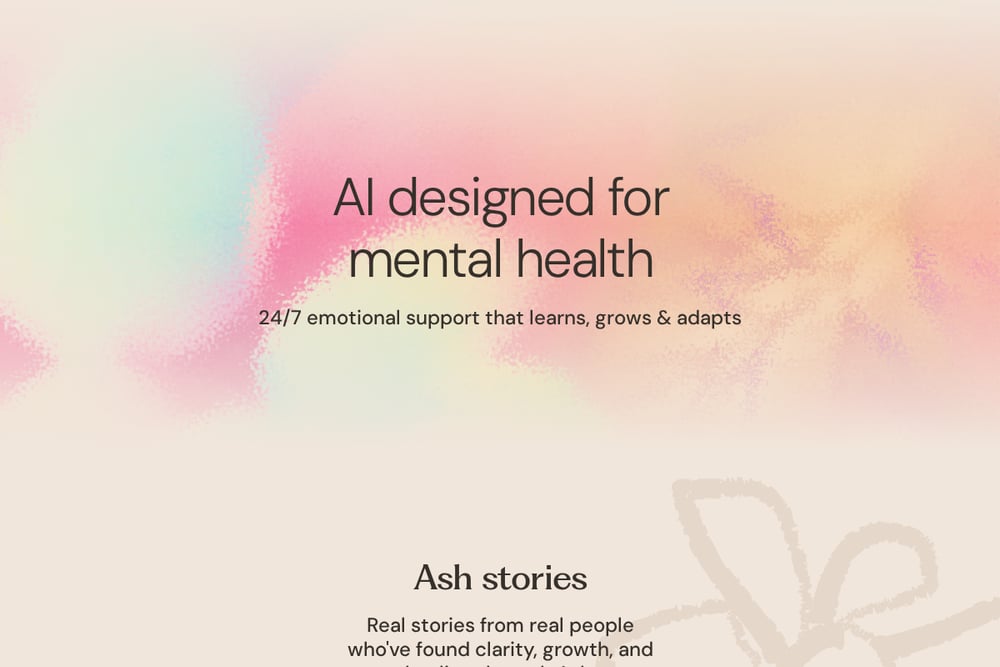 A screenshot of the Ash website.
Ash is an AI designed specifically for mental health, offering 24/7 emotional support that learns and adapts to you. From your first conversation, Ash works to identify patterns in your thoughts, feelings, and behaviors, providing insights that help you connect the dots. You can talk or text Ash, making it easy to express yourself in whatever way feels comfortable. It remembers your stories and preferences, so each conversation picks up where you left off, creating a continuous journey. Ash is crafted for emotional intelligence, helping you work through everyday challenges with a judgment-free presence. If you want a companion that actively helps you understand yourself better, Ash is a great fit.
#5 Pi
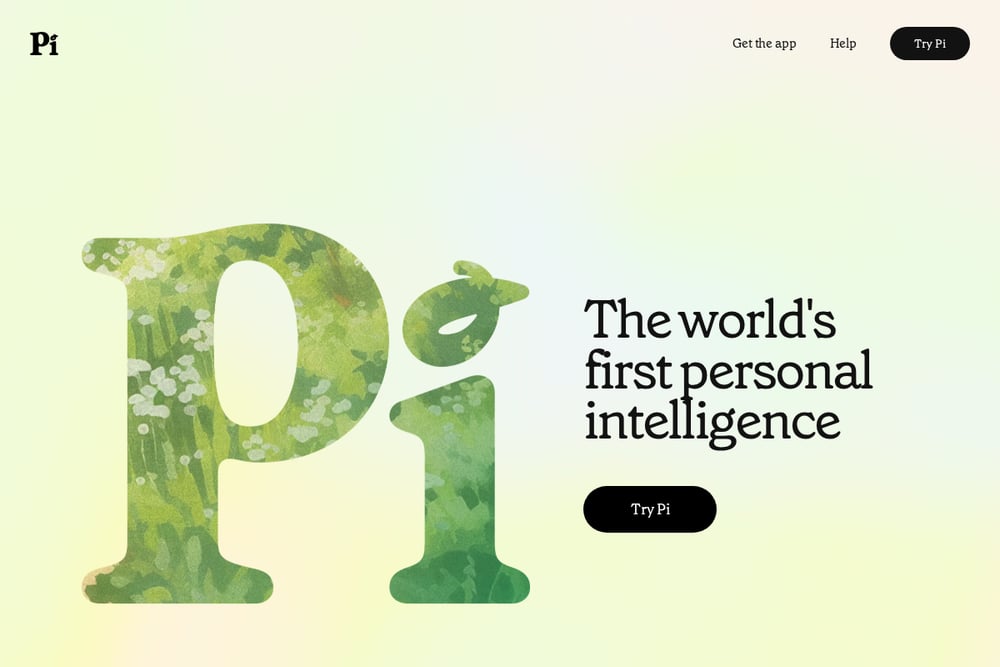 A screenshot of the Pi website.
Pi, from Inflection AI, is marketed as the world's first personal intelligence, focusing on emotional intelligence in conversations. It's designed to be a supportive listener, helping you vent, think out loud, or prepare for difficult conversations. Pi can also assist with practical tasks like meal planning and setting reminders, making it a versatile daily companion. Its tone is warm and engaging, often adding a touch of curiosity to keep conversations interesting. Pi is available via app and web, making it accessible wherever you are. For a blend of emotional support and everyday assistance, Pi offers a unique balance.
How to Choose the Right Personal Intelligence for You
Start by thinking about what you need most: a gentle companion to check in with daily, or a tool that offers deep insights into your patterns? Consider the tone that feels right—some are more clinical, others more playful. Look at the evidence: if you want something backed by research, Wysa or Elomia might be your pick. If you're under 25 and want a character that feels like a friend, Dino could be the one. Also, think about whether you want features like crisis hotlines or integration with professional care. Finally, try a few—most offer free trials or basic versions, so you can see which one clicks with you.
Automating Your Mental Wellbeing Routine
You can integrate these personal intelligence tools into your daily routine with simple automation. Set a daily reminder to check in with your chosen companion, whether it's a quick quiz on Dino or a chat with Wysa. Use the insights from Ash to inform your journaling or therapy sessions. For practical support, let Pi handle your reminders and meal planning, freeing up mental space. Many of these tools offer APIs, allowing you to connect them with other apps you use. The goal is to make emotional check-ins as routine as brushing your teeth.
The Future of Personal Intelligence
As the data shows, young people in Western regions are facing unique challenges, and personal intelligence companions are stepping up to fill a critical gap. Each of these five tools offers a different approach, from Dino's character-led gentleness to Wysa's clinical rigor. The key is to find the one that feels like a natural extension of your life. Whether you need a quiet listener, a proactive guide, or a practical assistant, there's a personal intelligence out there for you. The future of mental wellbeing is personal, and it's here now.