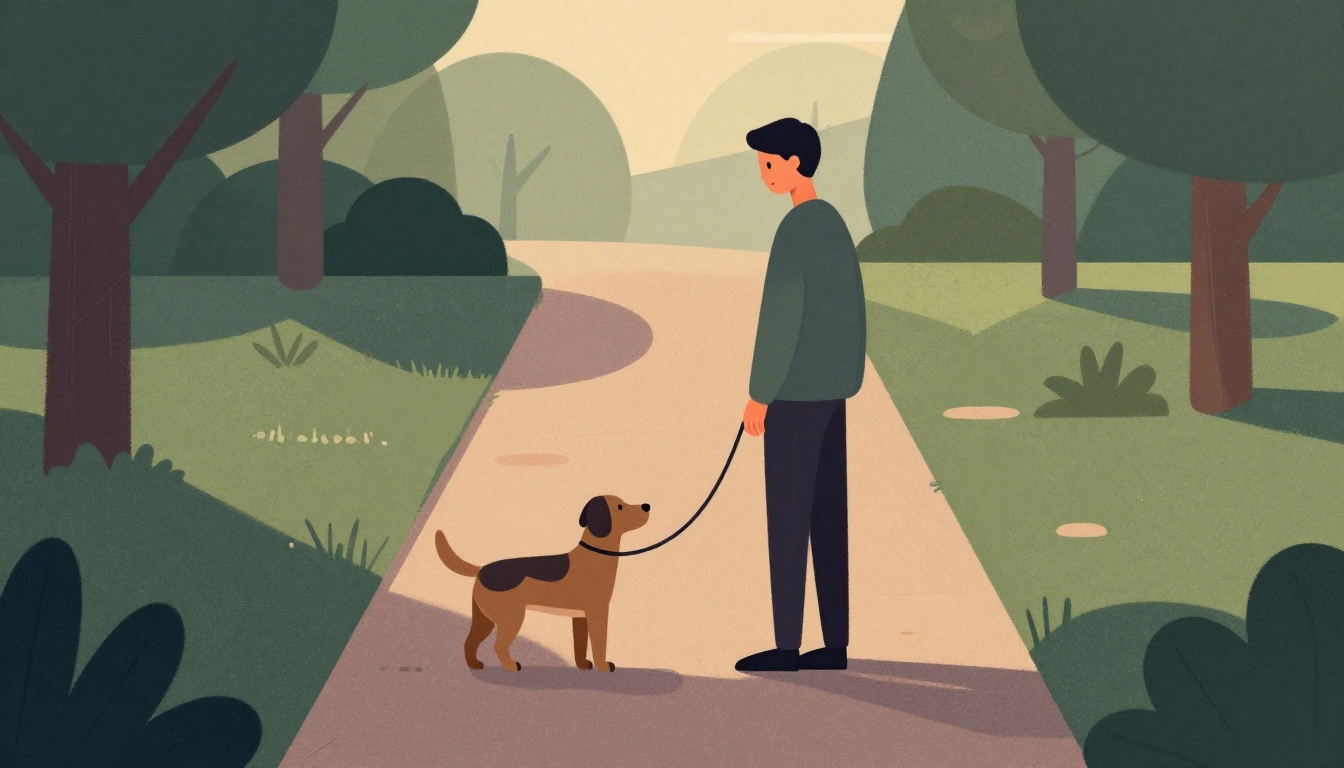
A Coach or Going It Alone?
When someone is starting over after a big change and asks whether they need a coach or just need to get through it on their own, Patti L. Curtin doesn’t begin with an answer. She begins with a question.
“What are you hoping your next chapter might look like?” she asks.
Then she listens.
Curtin is the founder of Journey In Twilight and the creator of three pathways: The Gardener’s Next Chapter, Garden Gate Conversations, and ResQ a Dog, Save a Life. Her work through Journey In Twilight brings together two areas that might seem very different at first: navigating life’s transitions and building meaningful relationships with rescue dogs.
“Whether someone is retiring after a long career, experiencing an unexpected life change, or welcoming a rescue dog into their family, I believe the first step is understanding where they are, what they’re currently experiencing, and what they’re hoping for,” she says.
Not everyone needs a coach, she notes. Sometimes people simply need time, space, and permission to find their own way. Other times, having someone who will listen without judgment, ask meaningful questions, and walk beside them can make all the difference.
The same philosophy guides her ResQ a Dog, Save a Life program, which focuses on training the human, not the dog. When someone brings home a rescue dog, Curtin wants them to consider not just what they expect from that dog, but what the dog might be experiencing.
“What does this animal need to feel safe? What do we need to understand about its behavior, history, energy, and personality?” she asks.
In both situations, her role isn’t to prescribe a path. It’s to encourage understanding, recognize possibilities, and help people make thoughtful decisions.
“Sometimes the most important thing we can do is listen before we act,” she says.
What Online Advice Leaves Out
Curtin believes what often gets overlooked in popular advice is the individual behind the transition.
“There’s no shortage of advice telling people to reinvent themselves, set new goals, move forward, or simply stay positive,” she says. “But not everyone is ready to do that, and not everyone wants the same destination.”
Someone retiring after decades of work, someone experiencing loss, or someone wondering what comes next may all be standing at very different places in their lives.
That’s why she often says, “The Gardener’s Next Chapter isn’t about the crossroads. It’s about the traveler.”
And she believes something very similar applies to rescue dogs.
There’s plenty of advice about teaching commands, correcting behaviors, and what a new dog owner should expect. But what sometimes gets overlooked is that the dog is an individual, too. A rescue dog’s behavior may reflect fear, uncertainty, past experiences, or simply a mismatch between its natural energy and the lifestyle of its new family.
One of the guiding principles of ResQ is that a dog’s behavior is information, not character. Instead of immediately labeling a dog as difficult, stubborn, or untrainable, Curtin encourages people to become curious.
“What is the dog communicating? What might we need to change about our own expectations or approach?” she asks.
In both life transitions and rescue dog relationships, meaningful change begins with understanding, not judgment. And sometimes the most important question isn’t “What should I do next?” but “What am I not yet understanding?”
What People Decide Too Quickly
Curtin thinks people sometimes decide too quickly that their choices have become limited or that something isn’t going the way it’s supposed to.
During a personal transition, they may believe they’re too old, too late, too inexperienced, or that the opportunities they once dreamed about have passed them by. Sometimes they rush into making major decisions simply because they’re uncomfortable standing still.
“I often remind people that you can retire your career, but you don’t retire yourself,” she says. “Your hopes, dreams, and possibilities don’t disappear because one chapter of your life has ended.”
With rescue dogs, she sees a related concern. People sometimes decide too quickly that a dog isn’t a good fit because its behavior doesn’t match what they imagined. They may expect an immediate bond, quick obedience, or gratitude from an animal that is still trying to understand an unfamiliar world.
“But trust takes time, and a dog’s behavior during those early days doesn’t necessarily tell us who that dog will become in a safe, understanding environment,” she says.
That’s also why she believes choosing to rescue a dog should be a thoughtful decision made before bringing the animal home. Understanding the breed, energy level, temperament, and family’s lifestyle can prevent heartbreak for both the human and the dog.
“The surprise can be the announcement. The dog should not have to be the surprise,” she says.
Whether the topic is a person’s next chapter or a rescue dog’s new beginning, Curtin believes we need to replace urgency with understanding and unrealistic expectations with patience.
“You don’t have to figure out your entire future today. And you don’t have to expect a rescue dog to become the perfect companion overnight,” she says. “Sometimes the most meaningful transformations begin with one small courageous step.”
For readers navigating a transition of their own, Curtin’s approach offers a practical starting point: ask what you’re hoping for, listen to what’s actually there, and give both yourself and others the time to become who they’re becoming.