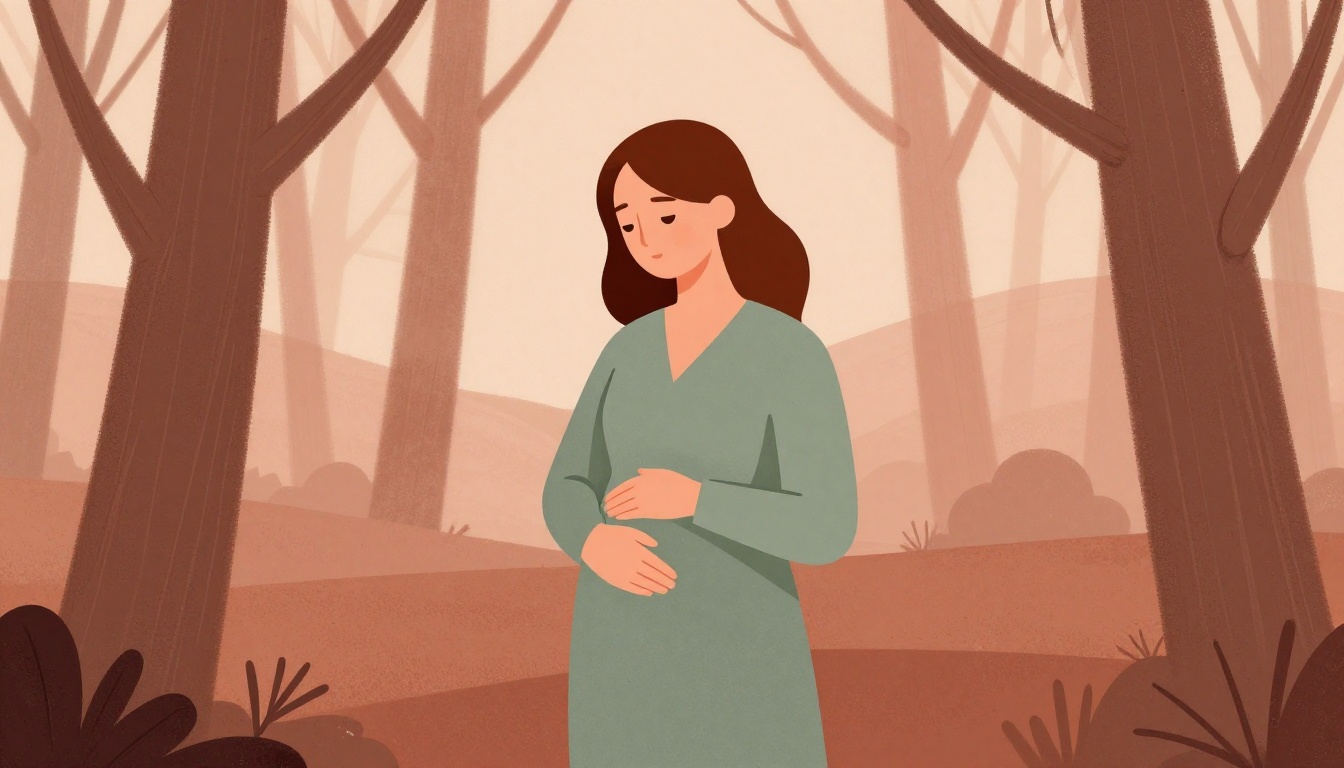
The First Sign of Hormone Trouble: Ovulation Shuts Down
Many women assume their period is the most important part of their cycle. Morganne Gail, a women's hormone health practitioner and founder of Cycle In Sync, sees it differently. "In reality, ovulation is actually the main event of the menstrual cycle," she says. "Healthy, regular ovulation ensures healthy estrogen and progesterone levels, which affects brain and heart health, sleep regulation, bone density, vaginal and skin/hair health, etc."
When the body is under stress — from underfueling, overtraining, lack of rest, or hormonal imbalance — it prioritizes essential functions. "The reproductive system, and therefore ovulation, gets switched off," Gail explains. The result: irregular cycles, heavy and painful periods, inflammation, anxiety, and intense PMS. If you're experiencing any of these, she recommends investigating with a knowledgeable practitioner.
How Personalized Coaching Actually Works
Gail's process starts with a 15-minute consult to understand what a potential client is experiencing and what their goals are. "It's important for me to understand what the highest priority is for them to address," she says. From there, clients fill out a detailed health history form. "Every single woman is so unique and has an entire life of experiences that has contributed to where they are now."
Based on that full picture, Gail curates a personalized plan — sometimes recommending further testing, sometimes focusing on cycle literacy or lifestyle support through nutrition, sleep, stress, and exercise. She typically sees clients monthly over six to eight months, because "it takes time to see the effects of the things we implement."
Nutrition: Fueling Differently Throughout the Month
One of the biggest dietary mistakes Gail sees is women assuming they can fuel the same way as men. "Our nutritional needs look vastly different throughout the month," she notes. She also warns against labeling foods as "bad." "Complete restriction or fear of certain foods can just create further stress in the body." The priority, she says, is eating a primarily whole-food, anti-inflammatory diet while ensuring adequate fuel for your lifestyle. "So many women have been conditioned to believe that they need to eat less and exercise more, which is detrimental to hormone health."
Stress and Sleep: The Top of the Hormone Hierarchy
Cortisol and insulin sit at the top of the hormone hierarchy, meaning they affect everything below them. "If these two hormones are out of balance, they will have a downstream effect on all of the hormones beneath them," Gail explains. "Prolonged and/or frequent high cortisol is one of the main things that shuts down ovulation."
Sleep is equally critical. During sleep, the body repairs the gut, clears metabolic waste, rebuilds tissue, and organizes memories. Gail recommends practical steps: turn off electronics an hour before bed, swap blue light for warm or amber light, keep the room dark and cool (60–70°F), use a weighted blanket, and eat dinner at least two hours before bed. For more on the connection between sleep and hormones, the Sleep Foundation offers a helpful overview.
What Most Women Get Wrong
Social media has made hormone health confusing and overwhelming, Gail says. "A lot of women I speak to are utterly overwhelmed and feel like they need to do a million things to 'fix' their hormones." Her message: "At the end of the day, it really is the simplest lifestyle shifts that move the needle most for a lot of women." That means focusing on sleep, stress, nutrition, sunlight, and movement. She also emphasizes that testing is the only way to confirm a hormone imbalance, and working with a practitioner who looks at the full picture — not just surface symptoms — is essential. For a deeper look at how stress impacts reproductive health, the Endocrine Society provides a useful resource.
A Practical Takeaway
Gail's approach is grounded in the idea that the menstrual cycle has four distinct phases, and ovulation — not the period — is the main event. By addressing the root causes of imbalance through simple, consistent lifestyle habits, many women can restore regular ovulation and improve their overall health. For those looking to learn more, Cycle In Sync offers resources and coaching built around this philosophy.