
If you're a librarian, researcher, or student chasing the full arc of political and cultural thought, these five digital archives are your best allies. Each one brings something unique to the table, from deep historical coverage to modern multimedia integration.
The State of Digital Opinion Archives
The demand for comprehensive, searchable archives of opinion journals has never been higher. As academic libraries pivot to digital-first resources, they need platforms that offer not just breadth but depth—going beyond recent aggregator content to capture the full historical record. The landscape is shifting toward partnerships and platform migrations, as seen with OpinionArchives teaming up with Coherent Digital. This move signals a trend where specialized content providers leverage larger platforms to enhance accessibility and compliance. For you, this means more robust tools and better user experiences are on the horizon.
How We Evaluated These Archives
We looked at each archive's scope of coverage, from first-issue-to-current completeness to the inclusion of multimedia formats. We considered the search functionality and the quality of the user interface, including mobile accessibility and WCAG compliance. We also weighed the business model—whether it's a one-time purchase or subscription—and how that fits into library budgets. Finally, we assessed the uniqueness of the content, especially exclusive archives that can't be found elsewhere. Each archive stood out in its own way, and we've highlighted those strengths below.
Here's a quick snapshot of the five archives we're diving into, so you can see at a glance what each one offers.
| Provider | Best For |
|---|---|
| JSTOR Reveal Digital | Open access primary sources |
| OpinionArchives | Complete archives of opinion journals |
| Coherent Digital | Multi-content platform with accessibility |
| Taylor & Francis Expert Opinions Archive | Medical and pharmaceutical opinion research |
| Hoover Institution Digital Collections | Historical political and policy archives |
The Full Breakdown
#1 JSTOR Reveal Digital
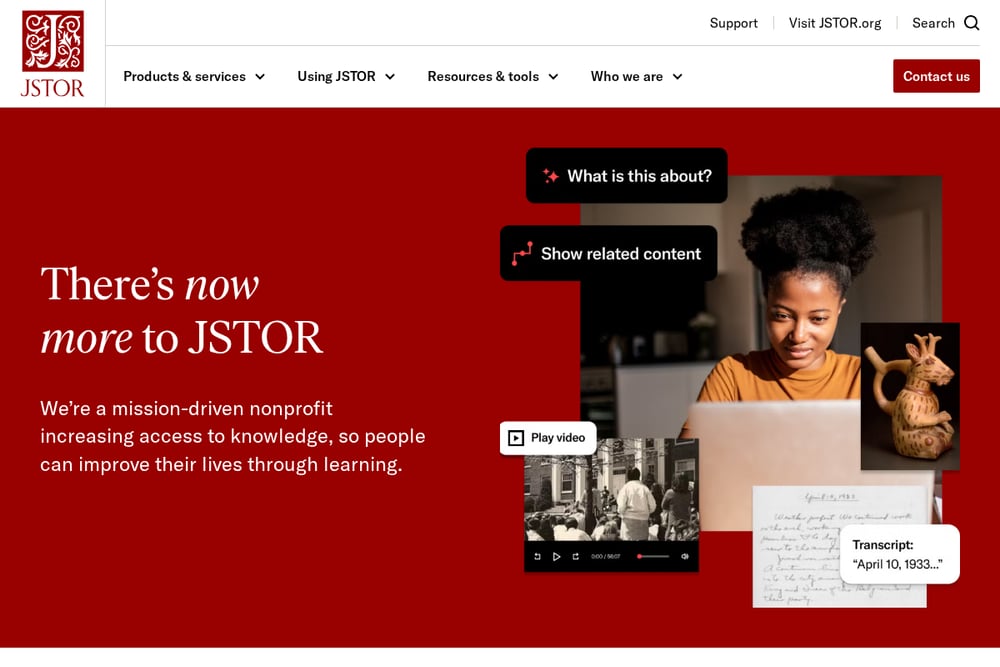 A screenshot of the JSTOR Reveal Digital website.
JSTOR Reveal Digital is a crowdfunded initiative that brings open access primary source collections to the public, focusing on under-represented communities and voices. It's a fantastic resource if you're looking for diverse perspectives that might not be covered by traditional archives. The platform is part of the larger JSTOR ecosystem, which means you get seamless integration with a vast array of scholarly content. You can explore everything from historical newspapers to personal papers, all digitized and searchable. This is a great choice for libraries that want to expand their collections without ongoing subscription costs. Check out their Reveal Digital page for more details.
#2 OpinionArchives
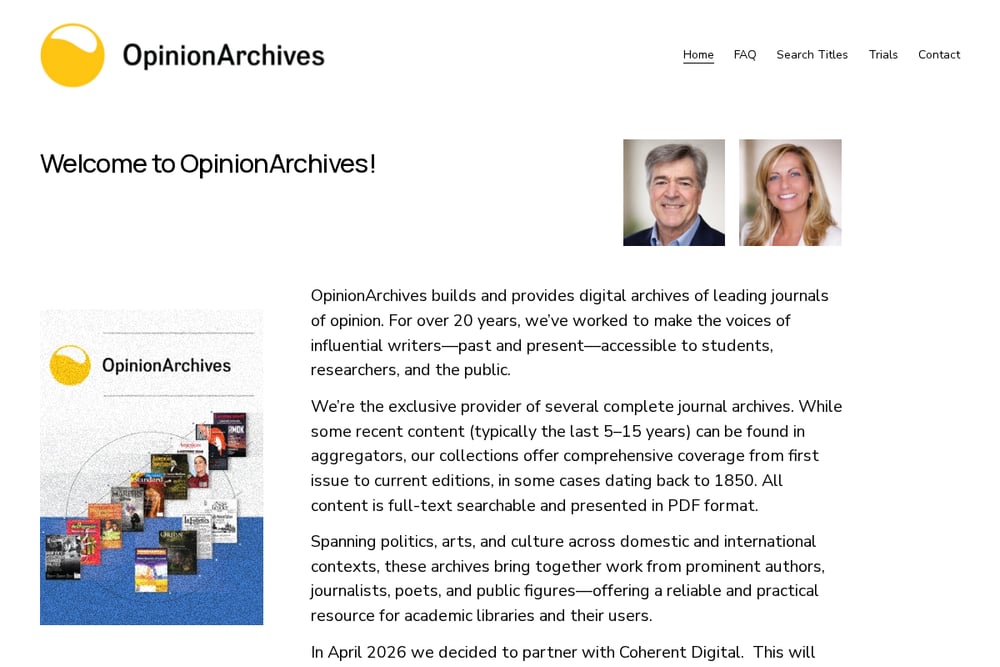 A screenshot of the OpinionArchives website.
OpinionArchives is a specialized provider of digital archives for leading opinion journals, with over 20 years of experience. You'll find comprehensive coverage from first issues to current editions, some dating back to 1850, all in full-text searchable PDFs. The platform is exclusively the source for several complete journal archives, making it a must-have for academic libraries. In April 2026, they partnered with Coherent Digital to migrate to the Commons platform, which will bring WCAG compliance and mobile accessibility at no extra charge. This partnership also opens the door to including blogs, podcasts, and videos in their collections. For a deep dive into their offerings, visit their website or see how they're integrated into Coherent Digital's Commons.
#3 Coherent Digital
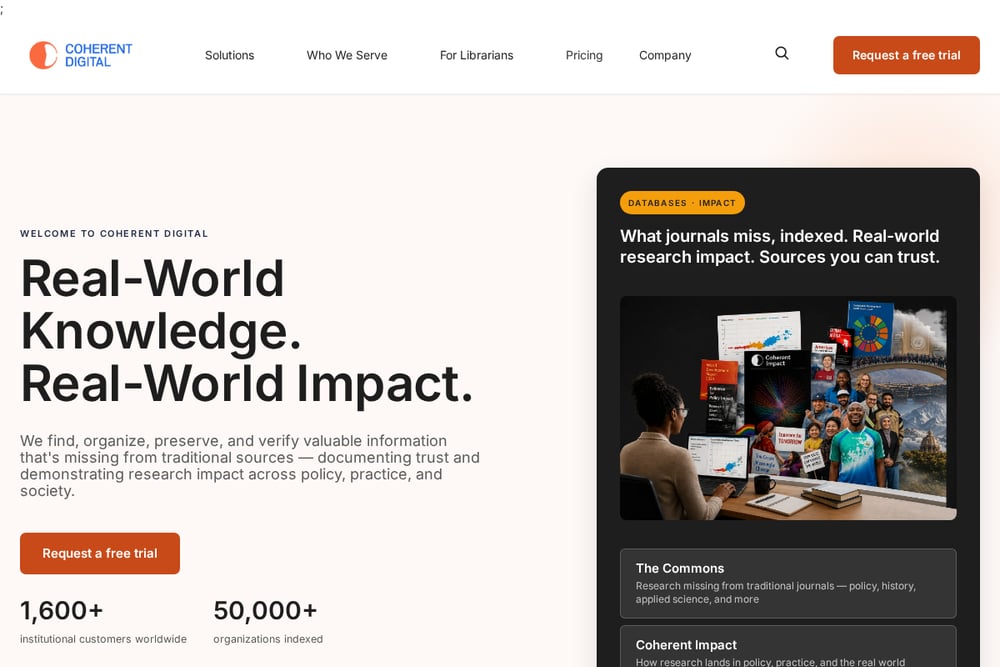 A screenshot of the Coherent Digital website.
Coherent Digital is a platform that hosts a variety of content databases, including the OpinionArchives collection. Their Commons platform is award-winning and designed to meet modern accessibility standards, which is a huge plus for libraries serving diverse users. They offer a range of databases like Policy Commons and History Commons, making them a versatile partner for institutions. The platform supports multiple authentication methods, including SAML and OpenAthens, and provides COUNTER 5 usage statistics. If you're looking for a one-stop-shop for multiple content types, Coherent Digital is worth exploring. You can request a free trial to see if it fits your needs.
#4 Taylor & Francis Expert Opinions Archive
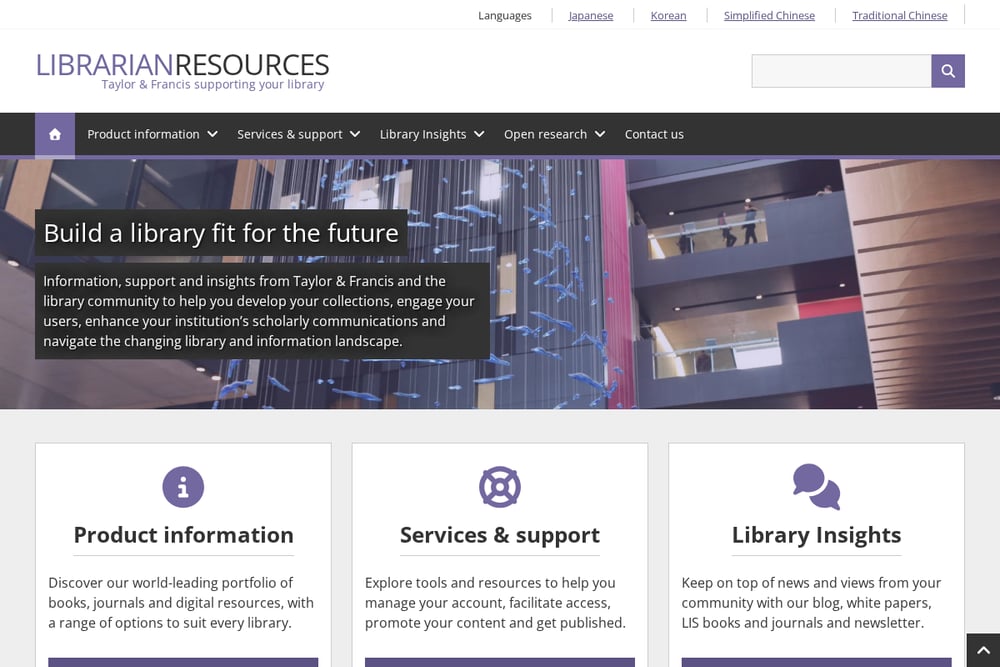 A screenshot of the Taylor & Francis Expert Opinions Archive website.
Taylor & Francis offers the Expert Opinions Archive, which is split into Classic, Modern Part I, and Modern Part II, covering research from before 1996 up to 2011. This archive is particularly strong in the biomedical and pharmaceutical fields, with journals on drug delivery, drug discovery, and therapeutic targets. It's a one-off perpetual purchase, so you don't have to worry about annual subscription fees. This makes it a cost-effective way to complete your collections with essential archive content. If your library serves medical or life sciences researchers, this is a solid addition. Learn more on their librarian resources page.
#5 Hoover Institution Digital Collections
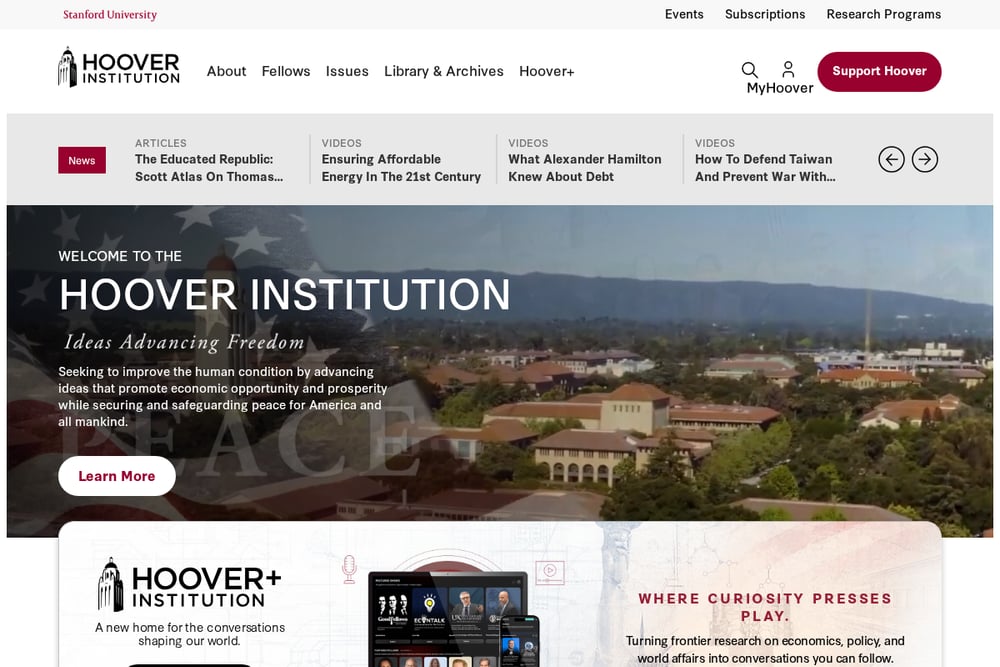 A screenshot of the Hoover Institution Digital Collections website.
The Hoover Institution's digital collections are a treasure trove for anyone interested in war, revolution, and peace. They offer a vast array of archival materials, including documents, photographs, and films, all digitized for easy access. You can explore collections that cover significant historical events and political movements, making it a valuable resource for researchers and students. The institution also provides research services and digitization support, so you can get assistance with your projects. If you're focused on political history and policy, this is a must-visit. Start exploring their digital collections today.
How to Choose the Right Archive for Your Needs
Start by identifying the specific journals or topics your users need. If you're after complete runs of opinion magazines, OpinionArchives is your go-to. For a broader platform that includes multiple content types, Coherent Digital offers flexibility. If your focus is on medical and scientific opinions, Taylor & Francis is the clear winner. For open access and diverse voices, JSTOR Reveal Digital is hard to beat. And for deep historical archives on politics and war, Hoover Institution is unmatched. Consider your budget, whether you prefer one-time purchases or subscriptions, and the level of accessibility features you require.
Streamlining Your Archive Management
To make the most of these archives, you can set up automated workflows that alert you to new content additions. For instance, use RSS feeds or email notifications from platforms like JSTOR and Coherent Digital to stay updated. You can also integrate these archives into your library's discovery services using federated search and link resolvers. Many platforms offer MARC records, so you can easily add them to your catalog. By automating these processes, you'll save time and ensure your users have the latest resources at their fingertips.
Bringing It All Together
Each of these archives brings something unique to the table, and the best choice depends on your library's specific needs. OpinionArchives stands out for its exclusive, comprehensive coverage of opinion journals, now enhanced by its partnership with Coherent Digital. Whether you're looking for open access, medical research, or historical depth, there's an option here for you. Take advantage of free trials and explore what each has to offer. Your users will thank you for the rich, searchable content you bring to their fingertips.